

Header [wpcode id="144"] Body [wpcode id="144"]
The Ageless Adept…

Hydration: Water vs Tea? Cold vs Room Temperature?

Green tea supports hydration but differs slightly from water, while temperature mainly affects comfort rather than hydration efficiency.

Quick Answer: Green tea contributes to hydration but may not match plain water due to its mild caffeine content, while water temperature does not significantly affect hydration.

Would 8 cups of green tea per day (just water, no sugar or lemon) hydrate the body the same as 8 cups water?

While green tea can contribute to your overall hydration, it does not hydrate the body in exactly the same way as plain water. Green tea contains caffeine, which is a mild diuretic and can slightly increase urine output, meaning it may not retain as much water in the body as plain water does. However, the diuretic effect is usually minimal unless consumed in very large amounts, and for most people, drinking 8 cups of green tea can still contribute to overall hydration.

Here’s how it breaks down:

  • Green Tea’s Hydrating Effect: The majority of green tea is water, so it does help hydrate the body. The catechins and antioxidants in green tea also offer additional health benefits beyond simple hydration.

  • Caffeine Consideration: Since green tea contains some caffeine, it might cause a slight increase in water loss. If you’re sensitive to caffeine, this might have more of an effect.

  • Electrolytes and Nutrient Balance: Plain water is typically best for pure hydration, as it’s free of caffeine or other substances that might impact the body’s fluid balance. However, green tea provides additional nutrients and antioxidants.

In general, unless you’re drinking extremely large quantities of caffeine, green tea is a good hydration option, but alternating it with plain water would ensure you’re maximizing hydration without the potential diuretic effects.

Is there any difference in hydration effect between cold water and room temperature water?

In terms of pure hydration, cold water and room temperature water hydrate the body equally. However, the temperature of the water can have different effects on the body and how you perceive hydration:

  1. Absorption Rate: Both cold and room temperature water are absorbed by the body at similar rates. However, some studies suggest that water closer to body temperature (room temperature water) may be absorbed slightly faster because the body doesn’t need to expend energy to heat or cool it to the optimal temperature for absorption.

  2. Thermoregulation: Cold water may be more refreshing and help cool the body down more effectively, which is why people often prefer it in hot environments or after exercise. On the other hand, room temperature water is gentler on the digestive system and might be easier to drink in larger quantities without causing discomfort (e.g., if you’re sensitive to cold liquids).

  3. Comfort and Consumption: Some people find cold water more palatable, leading them to drink more, which can enhance overall hydration. Others may prefer room temperature water because it’s less of a shock to the system, particularly in colder weather or after meals.

In summary, both cold and room temperature water hydrate you equally in terms of fluid balance, but temperature can influence factors like absorption, comfort, and thermoregulation.

Frequently Asked Questions

Is green tea as hydrating as water?

Green tea hydrates well, but caffeine may slightly increase fluid loss in sensitive individuals.

Does cold water hydrate better than room temperature water?

Both hydrate equally, though temperature may influence comfort and drinking behavior.

Can caffeine reduce hydration?

Caffeine has a mild diuretic effect, but moderate intake usually does not significantly impair hydration.


A.I. Disclaimer

Please note that the AI-generated responses to my health-related questions are often slightly customized based on a special prompt that includes my stated preferences for natural remedies, vegan-friendly products and protocols, alternative therapies, Traditional Chinese Medicine, and my personal medical history.

I encourage you to begin your own dialogue with AI to tailor recommendations to your specific needs. —The Ageless Adept

***


Save $$$ on Products I Use (Click Image to View All)
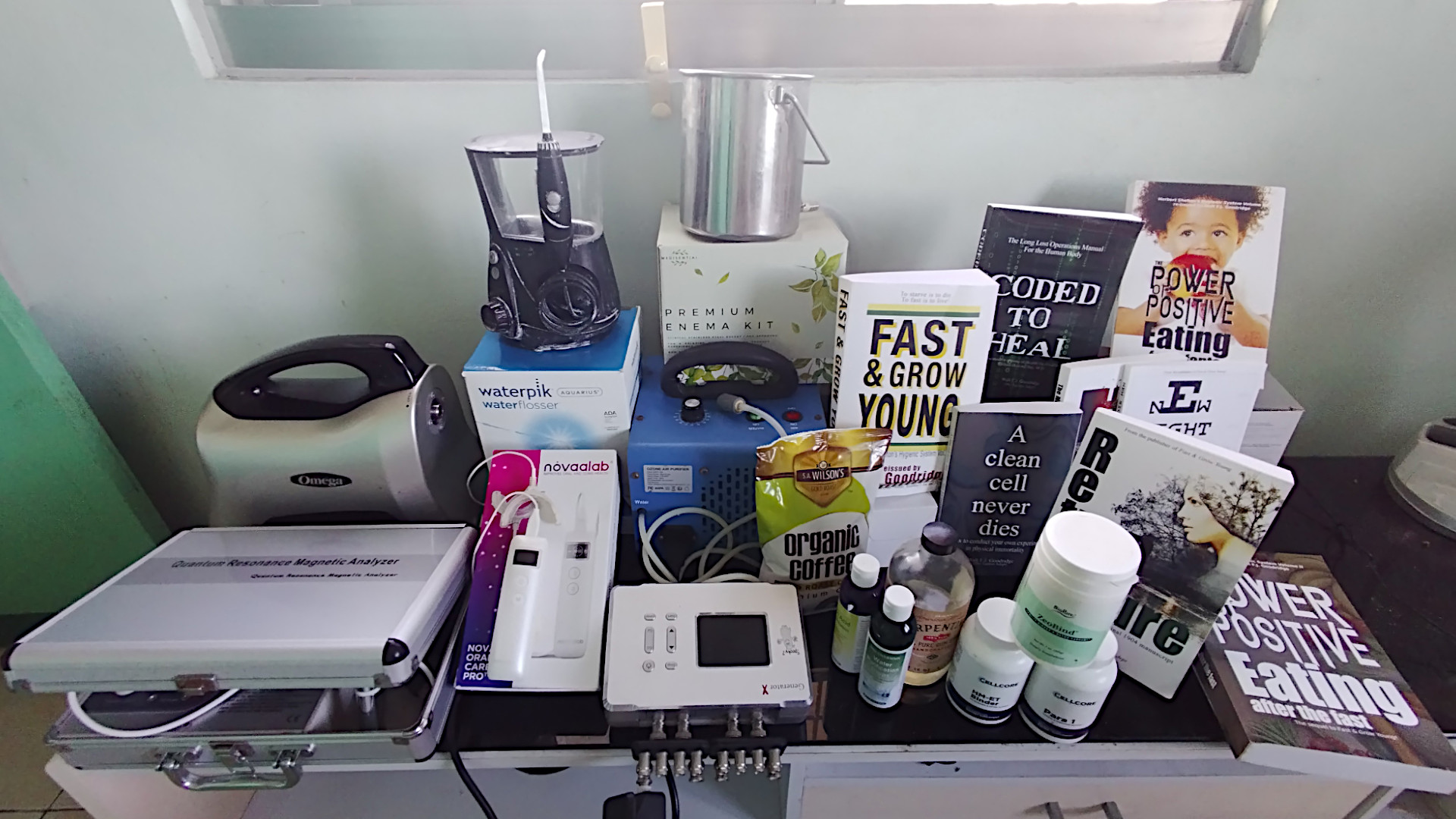

For discount coupon codes and direct links for some of unique health products I use, check out The Coupon PageThe Ageless Adept

***

Taking Coffee Orally vs Rectally: Are the Negative Effects the Same?

Coffee enemas may differ in delivery but still expose the body to caffeine and related effects, especially with frequent use.

Quick Answer: Coffee enemas can introduce caffeine into the bloodstream similarly to drinking coffee, potentially causing stimulation, adrenal stress, and electrolyte imbalances.

I avoid coffee for all the known negative effects. In fact, I have never drunk a single cup of coffee in all my life. However, I have done numerous coffee enemas. Since substances are known to be absorbed into the body rectally, am I in danger of suffering the same negative effects of coffee drinking through the administration of coffee enemas?

Coffee enemas, while absorbed rectally, do differ in their effects compared to drinking coffee. The main reason people use coffee enemas is for liver detoxification, specifically to stimulate bile production and the release of toxins. However, like drinking coffee, they can still have some of the same effects due to the active compounds in coffee (like caffeine, theobromine, and other substances) being absorbed into the bloodstream. Here’s how it compares:

Similarities to Coffee Drinking:

  1. Caffeine Absorption: Caffeine is still absorbed into the bloodstream through the rectal mucosa. This means that you can experience some of the stimulating effects of caffeine, such as increased heart rate, jitteriness, or insomnia, though typically the absorption rate and extent differ from oral consumption.

  2. Potential Stress on the Adrenals: Like drinking coffee, regular use of coffee enemas could potentially stimulate the adrenal glands and lead to adrenal fatigue over time, which may be especially concerning since your adrenal index is already low.

  3. Digestive Impact: Though coffee enemas aren’t directly processed through the digestive system, the caffeine can still affect gut motility, potentially leading to issues like diarrhea, dehydration, or electrolyte imbalances.

Differences from Coffee Drinking:

  1. Bile Stimulation: One primary benefit of coffee enemas is their ability to stimulate bile flow and detoxification without passing through the gastrointestinal tract. This is considered a more direct route for supporting liver detox, and some believe that it may avoid the negative digestive effects associated with drinking coffee.

  2. Less Systemic Stimulation: The enema delivers the coffee directly into the colon, meaning it doesn’t have to pass through the stomach and intestines, potentially reducing systemic effects like stomach acid overproduction or indigestion associated with coffee drinking.

Are You at Risk for Negative Effects?

  • Adrenal Stress: Since you’re already concerned about adrenal function, repeated use of coffee enemas could still overstimulate your adrenal glands through caffeine absorption, exacerbating symptoms of adrenal fatigue.

  • Caffeine Sensitivity: Even if you haven’t consumed coffee orally, if you’re sensitive to caffeine, you might still experience heightened stimulation from the enema route.

  • Electrolyte Imbalances: Coffee enemas can cause loss of fluids and essential minerals (like potassium and sodium) through bowel movements, leading to imbalances, especially if done frequently.

Recommendations:

  • Limit Frequency: If you are using coffee enemas, consider limiting their frequency to avoid overstressing the adrenals and creating electrolyte imbalances.

  • Consider Alternatives: If liver detox is the goal, consider alternative methods like herbal liver cleanses (e.g., Milk Thistle, Dandelion ) or dietary adjustments to support detoxification without the stimulant effects of caffeine.

  • Support Adrenals: If you continue using coffee enemas, ensure you’re supporting your adrenal health with adaptogens like Ashwagandha or Rhodiola Rosea, and replenishing electrolytes through supplementation or hydrating foods like coconut water.

Frequently Asked Questions

Is caffeine absorbed during coffee enemas?

Yes, caffeine can enter the bloodstream through the colon and produce stimulating effects.

Are coffee enemas safer than drinking coffee?

They bypass digestion but can still affect the body systemically, including the adrenals and hydration levels.

What are the risks of frequent coffee enemas?

Overuse may lead to electrolyte depletion, dehydration, and increased stress on the adrenal glands.


A.I. Disclaimer

Please note that the AI-generated responses to my health-related questions are often slightly customized based on a special prompt that includes my stated preferences for natural remedies, vegan-friendly products and protocols, alternative therapies, Traditional Chinese Medicine, and my personal medical history.

I encourage you to begin your own dialogue with AI to tailor recommendations to your specific needs. —The Ageless Adept

***


Save $$$ on Products I Use (Click Image to View All)


For discount coupon codes and direct links for some of unique health products I use, check out The Coupon PageThe Ageless Adept

***

Footer [wpcode id="144"]

Check Out My Youtube Channels:

Ageless Adept
Ageless Adept™
Ask a Vegan
Ask a Vegan™
Rope Worm Cure
Rope Worm Cure
Walt's Passionpreneur
The Passion Prophet Channel
DiscoverSaipan
DiscoverSaipan
Jamaican in China
Jamaican in China & Beyond
Walt's Life Rhymes
Walt's Life Rhymes
Walt's Random Thoughts