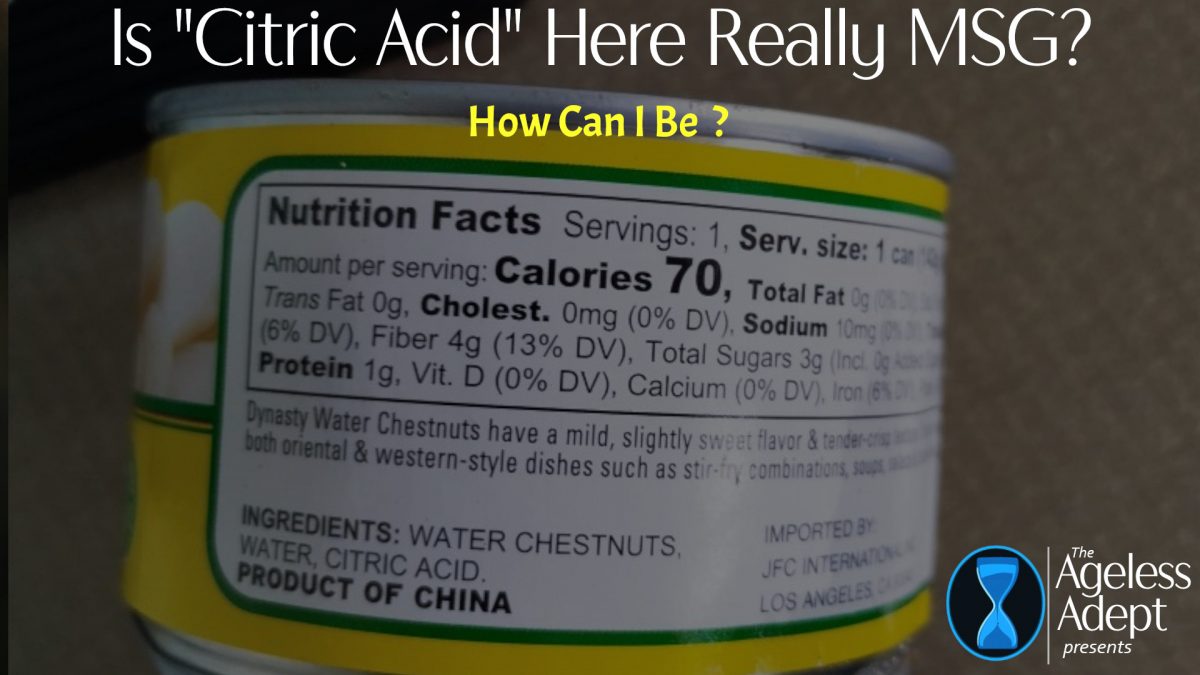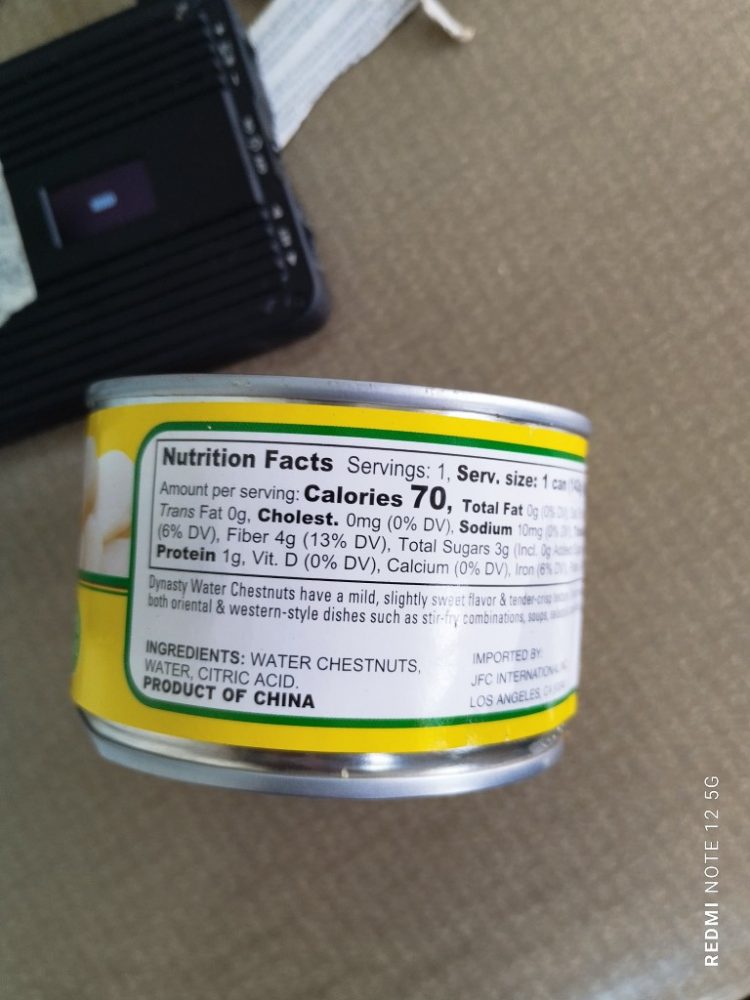
Quick Answer: Citric acid is not MSG and does not act as an excitotoxin, though it may enhance flavor indirectly. Concerns are more about its industrial origin rather than MSG-like effects.
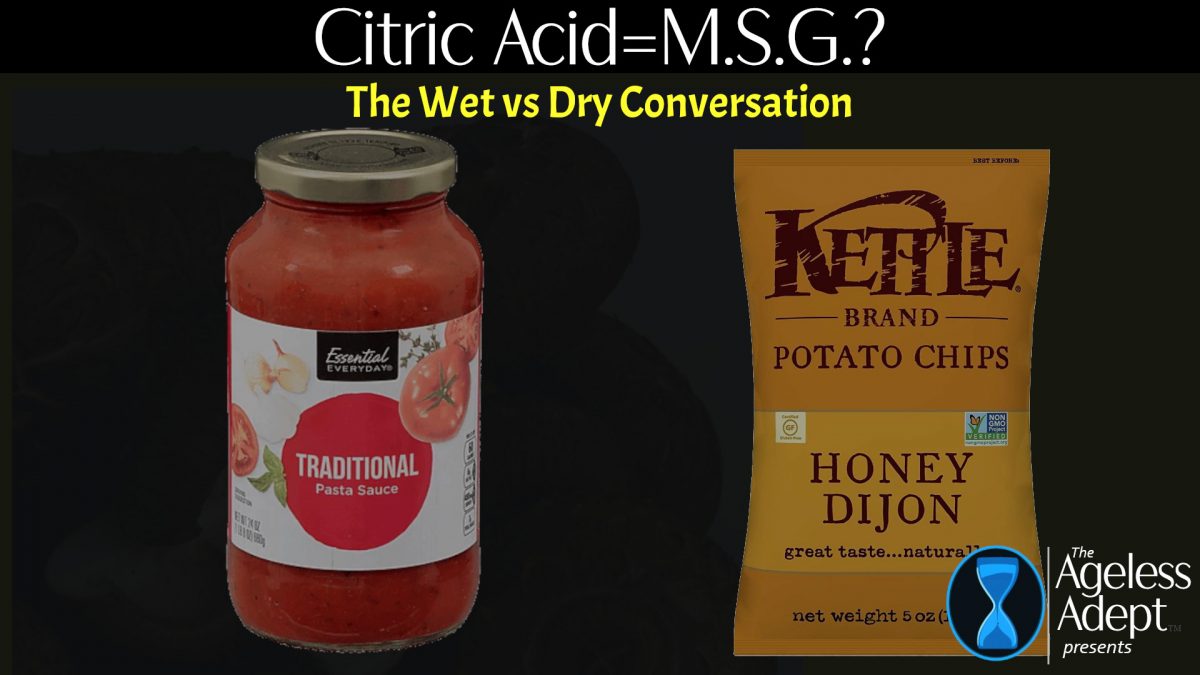
Is the citric acid in bottled pasta sauce likely to be an MSG equivalent?
 Good question — this gets into the “hidden MSG” territory.
1. Citric Acid in Bottled Pasta Sauce
-
The citric acid you see on labels is usually manufactured (often from GMO corn via fermentation with Aspergillus niger mold) rather than derived from citrus fruits.
-
It is mainly added as a pH adjuster and preservative to inhibit microbial growth and extend shelf life.
2. Citric Acid vs. MSG
-
Citric acid itself is not glutamate and does not act like monosodium glutamate (MSG).
-
MSG is a sodium salt of glutamic acid and acts as a direct flavor enhancer by stimulating glutamate receptors.
-
Citric acid doesn’t stimulate those receptors, but it can enhance flavors indirectly by providing acidity and balancing sweetness/saltiness.
3. Hidden MSG Concern
-
Sometimes labels list ingredients like “natural flavors,” “yeast extract,” “hydrolyzed protein,” or “autolyzed yeast” — these can be free glutamates (hidden MSG).
-
Citric acid alone does not qualify as a hidden MSG source.
4. Potential Issue with Manufactured Citric Acid
-
Some people report reactions (inflammation, digestive upset, skin flare-ups) not because of glutamates, but because the manufactured citric acid may contain trace contaminants from the mold fermentation process.
-
So the concern is less about MSG and more about industrial processing residues.
✅ Conclusion: Citric acid in pasta sauce is not MSG or an MSG-equivalent in terms of excitotoxin activity. The bigger issue is that it’s an industrial, mold-fermented preservative — so for sensitive individuals, it may cause reactions, but not due to glutamate.
We talked about citric acid previously. Would the citric acid in Kettle™ brand Honey Dijon chips present the same or an MSG-like danger as that in a wet product like canned pasta sauce? INGREDIENTS: POTATOES, VEGETABLE OILS (CANOLA, SUNFLOWER AND/OR SAFFLOWER), HONEY POWDER (DRIED CANE SYRUP, HONEY), MUSTARD (VINEGAR, MUSTARD SEEDS, SALT, TURMERIC), SALT, GARLIC POWDER, ONION POWDER, CITRIC ACID, SPICE.
Good question — this gets into how citric acid behaves differently in a dry vs. wet food matrix. Let’s break it down with respect to your health objectives (kidney support, detox, eye healing, avoiding excitotoxins, etc.):
1. Citric Acid in Dry Products (like chips)
-
In Kettle™ Honey Dijon chips, citric acid is present in small amounts mainly as a flavor enhancer and pH stabilizer.
-
In a dry matrix (chips, spice blends), it doesn’t interact with proteins or ferment as it might in wet, acidic, shelf-stable products (e.g., canned sauces, sodas).
-
It is less likely to act as a hidden MSG-equivalent because there’s no glutamate-rich protein medium for it to break down and bind with.
Risk: Minimal in this context — more about slight acidity than excitotoxicity.
2. Citric Acid in Wet/Processed Foods
-
In canned sauces, soups, dressings:
-
It helps preserve acidity and can trigger glutamate release from protein hydrolysis during processing/storage.
-
This is where the MSG-like effect risk is greater, especially if you are sensitive to excitotoxins.
-
3. Other Considerations for You
-
Kidneys: Citric acid can actually be beneficial in moderation, since it binds calcium and may reduce stone formation. But synthetic citric acid (from GMO black mold fermentation) could stress detox pathways if consumed frequently.
-
Detox/Heavy Metals: Compared to pesticide residue in oranges or heavy metals in rice, citric acid exposure is a lower-level risk, though cumulative intake from many processed foods may irritate digestion or worsen sensitivities.
-
Immune/Allergy: Some people react to the mold-derived citric acid (not the molecule itself but residual contaminants from Aspergillus fermentation).
✅ Bottom line for the chips:
The citric acid here is unlikely to act like MSG or cause the same risk as in wet, protein-containing products. The bigger health concerns in these chips would be the vegetable oils (canola, sunflower, safflower – high in omega-6, inflammatory), not the citric acid.
Frequently Asked Questions
Is citric acid the same as MSG?
No, citric acid is chemically different and does not stimulate glutamate receptors like MSG.
Can citric acid act like hidden MSG?
On its own it does not, but other additives like yeast extract are more likely sources of hidden glutamates.
Why do some people react to citric acid?
Reactions may stem from trace residues from its fermentation process rather than the compound itself.
A.I. Disclaimer
I encourage you to begin your own dialogue with AI to tailor recommendations to your specific needs. —The Ageless Adept
***
Save $$$ on Products I Use (Click Image to View All)
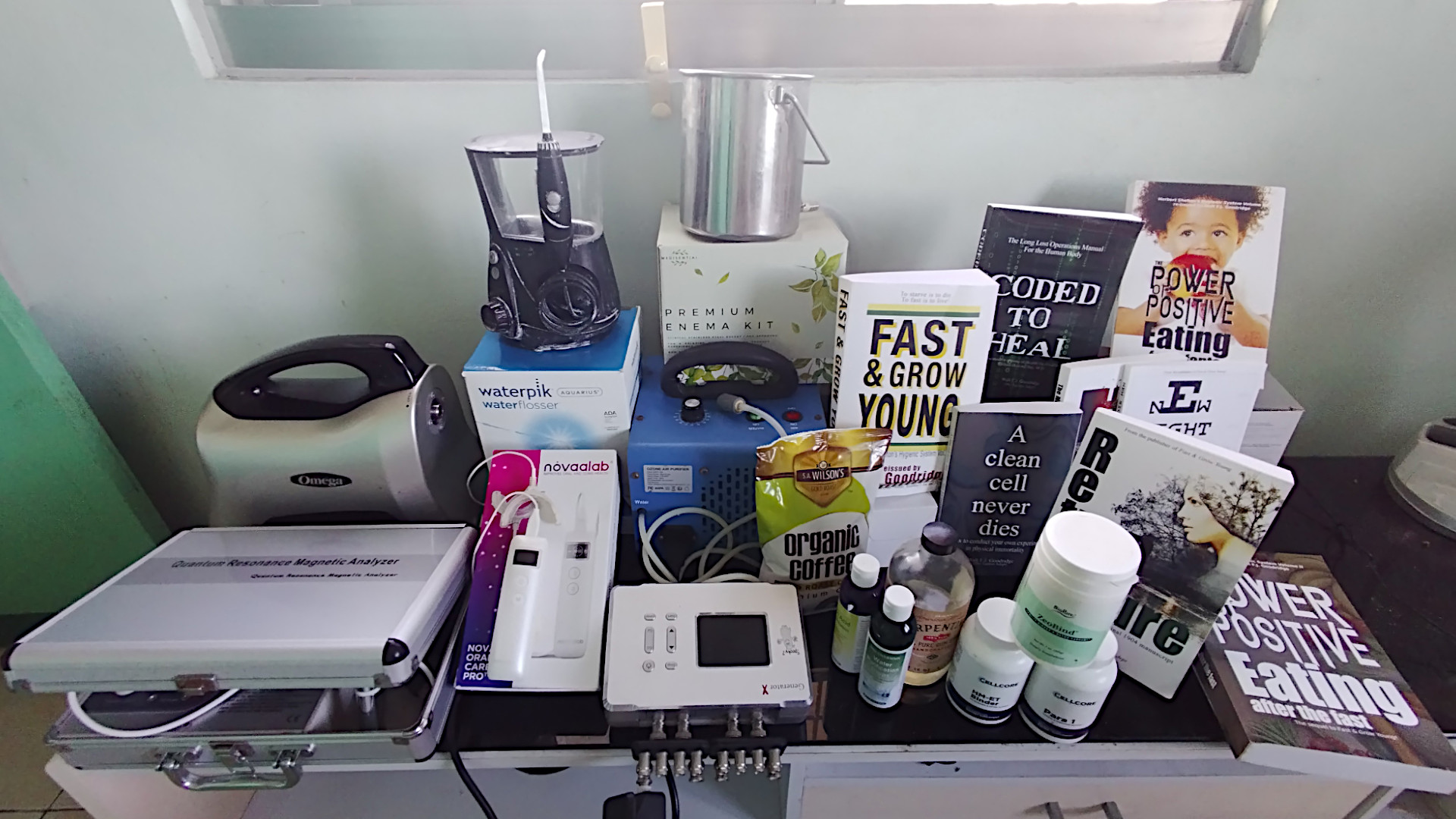
For discount coupon codes and direct links for some of unique health products I use, check out The Coupon Page —The Ageless Adept
***
-

Fast & Grow Young!
Price range: $6.49 through $16.95 Select options This product has multiple variants. The options may be chosen on the product page -

(FREE!) The Ageless Adept’s Master Shopping List, Substitution Checklist & Immunity Top 10
$0.00 Add to cart -

A Clean Cell Never Dies
Price range: $4.95 through $9.95 Select options This product has multiple variants. The options may be chosen on the product page