
Last updated on April 13th, 2026 at 09:50 am
Quick Answer: Elevated amino acid levels often reflect high protein intake or metabolism changes, especially from plant sources like legumes, seeds, and soy.
These are my latest Magnetic Resonance Analysis Device Amino Acid readings. Based on which specific acids are high, can you tell exactly what types of foods are causing an issue? How do you interpret the rise of one vs another?
Lysine (Normal: 0.253 – 0.659; Mine: 0.824)
Tryptophan (Normal: 2.374 – 3.709; Mine: 5.163)
Phenylalanine (Normal: 0.731 – 1.307; Mine: 1.057)
Methionine (Normal: 0.432 – 0.826; Mine: 0.767)
Threonine (Normal: 0.422 – 0.817; Mine: 1.298)
Isoleucine (Normal: 1.831 – 3.248; Mine: 2.835)
Leucine (Normal: 2.073 – 4.579; Mine: 2.106)
Valine (Normal: 2.012 – 4.892; Mine: 4.066)
Histidine (Normal: 2.903 – 4.012; Mine: 4.066)
Arginine (Normal: 0.710 – 1.209; Mine: 0.853)

Your latest amino acid readings show some elevations, particularly in Lysine, Tryptophan, Threonine, and Histidine. Here’s how to interpret these and possible dietary causes:
-
Lysine (0.824, high):
-
Lysine is important for collagen formation and immune support, but high levels may indicate an overconsumption of lysine-rich foods like beans, lentils, soy products (tofu, tempeh), and certain nuts.
-
-
Tryptophan (5.163, high):
-
Tryptophan is used to make serotonin and melatonin, both linked to sleep and mood regulation. High levels may suggest an excess intake of foods like soy products, pumpkin seeds, and chia seeds, which are common in vegan diets.
-
-
Threonine (1.298, high):
-
Threonine is involved in protein synthesis and immune function. Elevated levels may be linked to consuming protein-rich plant foods such as legumes, hemp seeds, and quinoa.
-
-
Histidine (4.066, slightly high):
-
Histidine is used for growth and tissue repair and can be higher with increased consumption of soy, rice, and wheat-based proteins.
-
Dietary Impact & Suggestions
-
The elevated Lysine, Tryptophan, and Threonine levels may suggest that you’re getting a high intake of plant proteins. Reducing portion sizes of soy, lentils, and certain seeds (chia, pumpkin) could help balance these amino acids.
-
Histidine is only slightly elevated, so moderate adjustment in intake of grains and protein-rich foods may be sufficient.
If the elevated amino acids persist, it may reflect how your body is metabolizing proteins, which could be influenced by liver or kidney function.
Frequently Asked Questions
What causes high amino acid levels?
High intake of protein rich foods or altered metabolism can elevate amino acid levels.
Can plant proteins raise amino acids?
Yes, foods like lentils, soy, and seeds can increase certain amino acids when consumed in large amounts.
Should high amino acid levels be reduced?
Moderation and balance are key, and persistent elevations may require further evaluation of metabolism or organ function.
A.I. Disclaimer
I encourage you to begin your own dialogue with AI to tailor recommendations to your specific needs. —The Ageless Adept
***
Save $$$ on Products I Use (Click Image to View All)
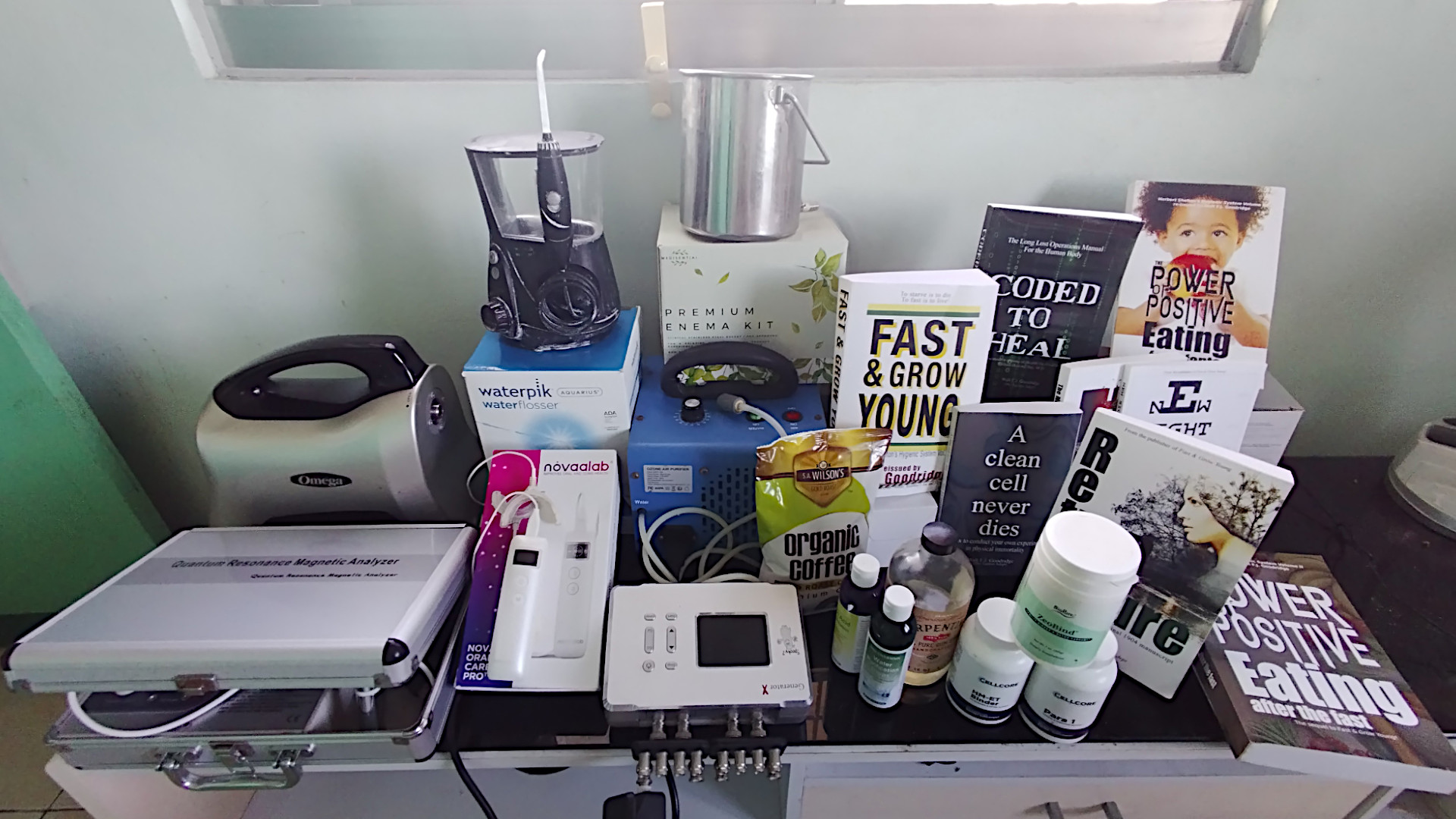
For discount coupon codes and direct links for some of unique health products I use, check out The Coupon Page —The Ageless Adept
***
-

The Sun Cure by Herbert Shelton (FREE!)
Price range: $0.00 through $9.95 Select options This product has multiple variants. The options may be chosen on the product page -
(FREE!) The Ageless Adept’s Master Shopping List, Substitution Checklist & Immunity Top 10
$0.00 Add to cart -

The S.W.E.A.T Manifesto (FREE!)
Price range: $0.00 through $5.95 Select options This product has multiple variants. The options may be chosen on the product page


