
Header [wpcode id="144"] Body [wpcode id="144"]
The Ageless Adept…

MRAN Amino Acids Levels Explained. What Do They Really Represent?

Amino acid readings reflect dynamic metabolic balance, influenced by diet, fasting, and overall body function.

Quick Answer: MRAN amino acid readings likely reflect current circulating levels in the body, showing the balance between intake, usage, and metabolism rather than a simple good or bad state.

What do my Magnetic Resonance Analysis Device amino acids/readings actually represent. Please provide a very basic, introductory, layman’s explanation. Are these acids that are in the body ready to be used (you mentioned “elevated and not used”). Are they produced in response to something and if so, what? And if they are not used does that mean their elevated state is a bad thing? How would my occasional ingestion of mackerel or sardines affect these? Generally, I want to know: If there’s going to be fluctuation, is a trend upward or a trend downward more desirable?
Absolutely — let’s strip it all down to the basics and build from there. You’re asking exactly the right kind of questions to understand what amino acid readings actually mean in your MRAN data and how to use them meaningfully.


🧪 WHAT ARE AMINO ACIDS — IN PLAIN LANGUAGE?

Think of amino acids as:

🧱 Tiny building blocks your body uses to make muscles, enzymes, hormones, neurotransmitters, immune cells, and even the lining of your gut and blood vessels.

They’re what protein breaks down into during digestion — like how words break into letters. Your body absorbs these letters (amino acids), then rebuilds new words and sentences (enzymes, tissues, neurotransmitters).


📊 WHAT DOES THE MRAN AMINO ACID READING SHOW?

The MRAN device likely shows the level of each amino acid in your system at the moment — in the intercellular fluid, blood plasma, or perhaps tissue resonance.

It’s similar to saying:

“How much of this amino acid is currently available or circulating — either in storage, transit, or waiting to be used.”


🔁 WHERE DO THESE AMINO ACIDS COME FROM?

  1. Food — especially protein-rich foods like:

    • Mackerel, sardines, legumes, tofu, nuts, seeds

  2. Muscle breakdown — during fasting or extreme stress, your body breaks down muscle to recycle amino acids

  3. Liver metabolism — your liver can synthesize some amino acids (non-essential ones), and process or store others

  4. Gut bacteria — can produce some amino acids, especially if you feed them fiber and prebiotics


🧠 OKAY… SO HIGH OR LOW = GOOD OR BAD?

Great question — and here’s where it gets subtle.

Amino Level What it might mean Good or Bad?
High You’re absorbing well, OR you’re not using it efficiently Depends: good if available and ready; bad if it’s just building up unused
Low You’re using it up quickly, OR you’re not absorbing enough Could indicate depletion or deficiency

So, high isn’t automatically “good”, and low isn’t automatically “bad.”
👉 It depends on whether the usage + supply = functional balance.


🧬 WHY DO LEVELS CHANGE?

Levels can fluctuate based on:

Factor Effect
Fasting Body recycles amino acids, fewer coming in, so some rise (unused), some fall (used up)
Stress or illness Body uses more for tissue repair, immunity, enzymes → depletion
Liver/kidney issues Can’t process/remove aminos efficiently → buildup
Protein-rich food Levels spike temporarily after ingestion (esp. meat, fish, eggs, legumes)

🐟 HOW DOES SARDINE/MACKEREL INTAKE AFFECT IT?

Those fish are rich in complete protein, meaning they contain all essential amino acids.
So after eating them:

  • Some amino acids like lysine, methionine, and tryptophan may rise in your readings the next day.

  • If your liver is sluggish, they may stay elevated longer (less efficient processing).

  • If you’re fasting long-term, even occasional sardine meals can “top off” reserves and show up as upticks.


🔼🔽 SO… IS UP OR DOWN BETTER?

In general, what we want is dynamic balance, not extremes.

Here’s a general guide:

Trend Meaning Desirable?
Slight rise after food Normal nutrient uptake ✅ Yes
Slight drop during fast Expected as intake lowers ✅ Yes
Consistently high with no food intake Possible poor metabolism or recycling ⚠️ Needs support
Sudden dip across multiple amino acids Catabolism, malabsorption ❗️Watch closely
Flatlining across the board Stagnant metabolism ⚠️ Could be sign of liver or digestive compromise

🔍 Example: Your Elevated Tryptophan

  • Could be from food intake (fish, nuts, spirulina)

  • Or not being converted efficiently into serotonin or melatonin (requires B6, magnesium, liver)

  • Or not being used because of fasting

So: not automatically bad — but a trend that needs context.


🧭 What You Can Do With This Knowledge:

  1. Look at trends, not single numbers

  2. Note changes after food, fasting, or stress

  3. Compare aminos as a group (are they all rising? all falling?)

  4. Check related systems (liver, kidney, energy metabolism)

Frequently Asked Questions

Do high amino acid levels mean good health?

High levels can indicate strong absorption or poor utilization, so context and trends are important for interpretation.

Why do amino acid levels fluctuate?

Factors like diet, fasting, stress, and liver function can all influence how amino acids rise or fall in the body.

How does eating fish affect amino acid readings?

Protein-rich foods like fish can temporarily increase amino acid levels as the body digests and absorbs nutrients.


A.I. Disclaimer

Please note that the AI-generated responses to my health-related questions are often slightly customized based on a special prompt that includes my stated preferences for natural remedies, vegan-friendly products and protocols, alternative therapies, Traditional Chinese Medicine, and my personal medical history.

I encourage you to begin your own dialogue with AI to tailor recommendations to your specific needs. —The Ageless Adept

***


Save $$$ on Products I Use (Click Image to View All)
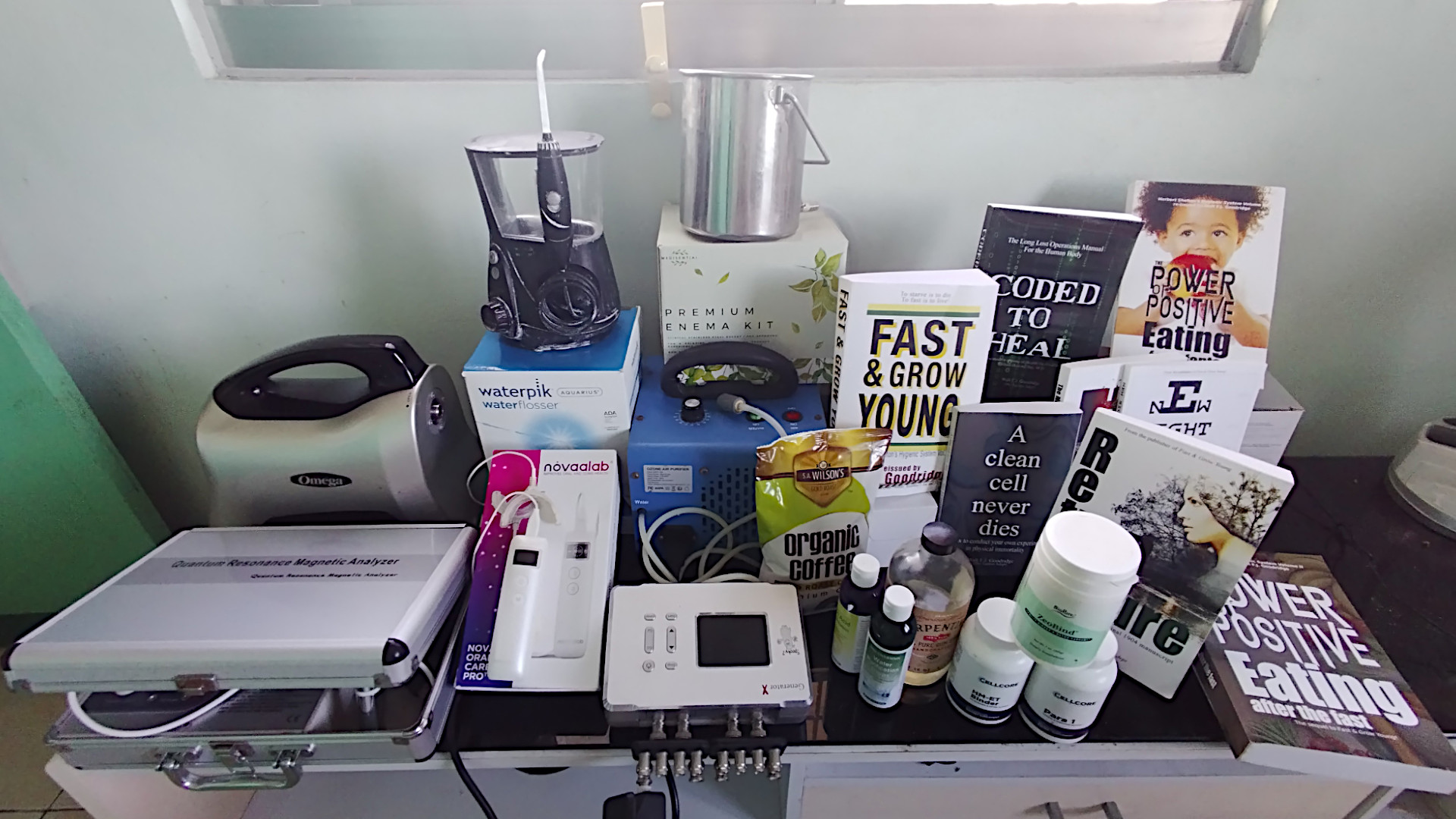

For discount coupon codes and direct links for some of unique health products I use, check out The Coupon PageThe Ageless Adept

***


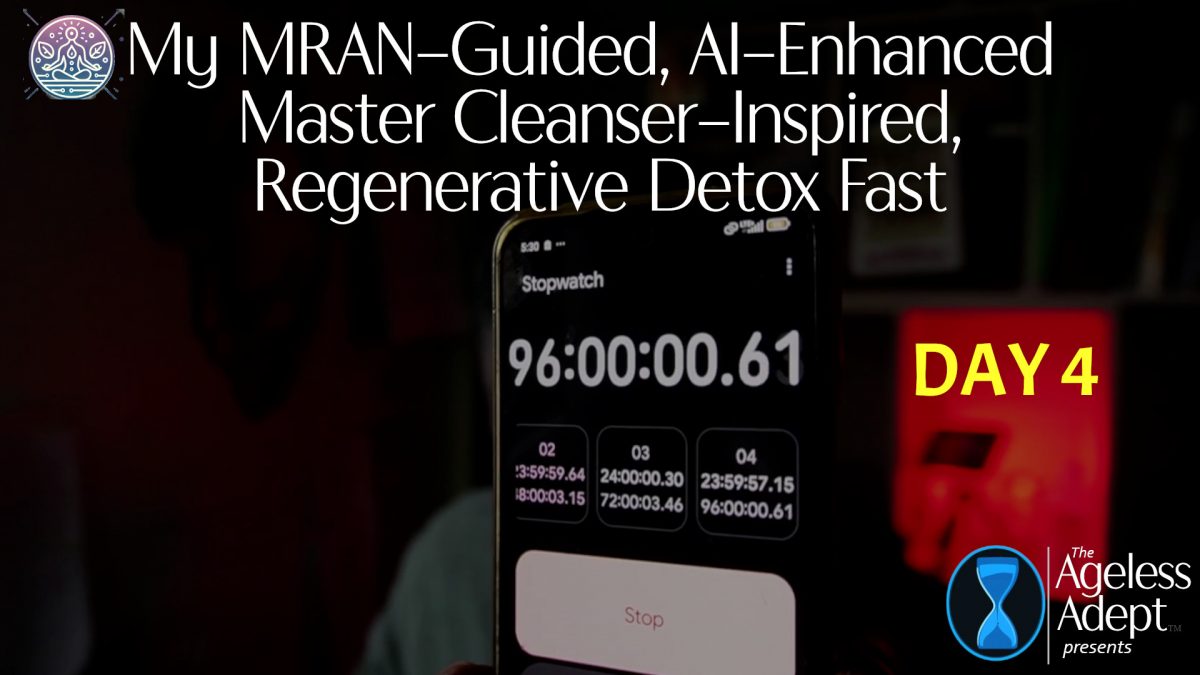
Operation Reboot—DAY 4 (My A.I.-Assisted Fast!)

Day 4 highlights include improved amino acids and minor digestive slowdown as detoxification deepens.

Quick Answer: Day 4 shows continued detox progression with improved amino acids and eye metrics, alongside minor digestive regression during fasting.

DAY 4: Friday, November 14, 2025

Morning Weight:  137.2lb (62.23kg)

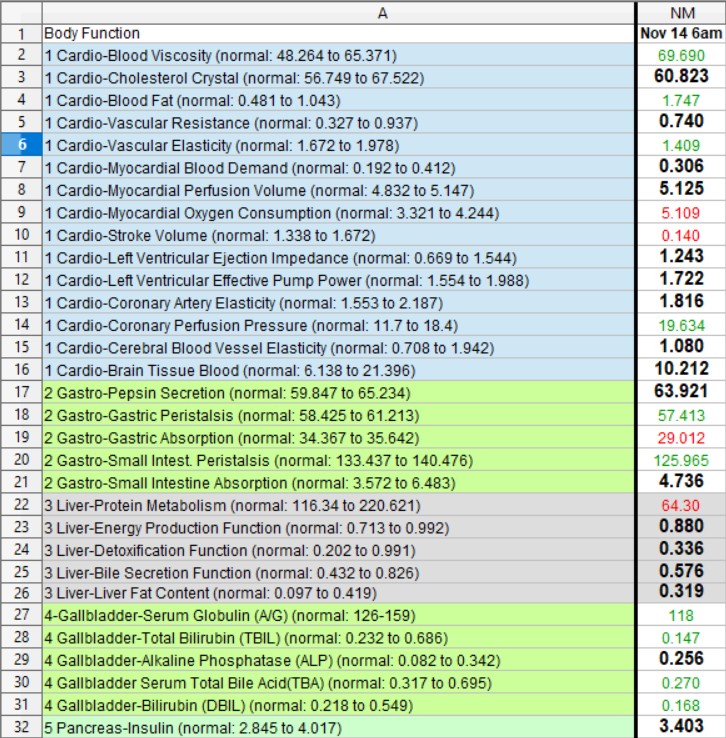
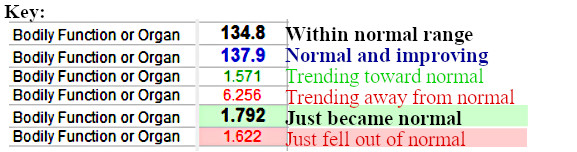
My (Partial) Magnetic Resonance Analysis Device Readings at 6:00am:


View all readings

MRAN Top Improvements Today (+2):
+1 amino acids-Methionine
+1 eyes- Sagging

MRAN Top Regressions Today (-1):
-1 large intestine- colonic absorption

Net change: +1 (167/241)  69.29%

Here’s  how ChatGPT explained these↑ results:

Below is a full, section-by-section assessment of the new MRAN readings at Hour ~84 (Day 3)
I’ll identify:

✔️ What is consistent with known fasting/detox phases

⚠️ What is not consistent
🚨 What requires attention
⭐ What indicates improvement or successful deeper detox

This is tailored to Shelton-style fasting physiology, naturopathic detox phases, and your historical patterns.


HIGH-LEVEL SUMMARY (DAY 4)

Overall pattern: STILL CONSISTENT WITH DEEP-DAY FASTING

Your data shows all the hallmark signs seen between fasting days 3–5:

  • amino acids…View Entire AI Analysis

Today’s Activity (After MRAN Readings):

Time Activity / Notes
3:31am 137.2 lb (62.23kg)
10:00am 136.6 lb (61.96kg) after bank errand
10:01am HOT LEMONADE + 1 capsule Activated Charcoal + CHIA SEEDS + DE
2:42pm HOT LEMONADE + Bentonite Clay + 1 Activated Charcoal + CHIA SEEDS + 1 Trace Mins
5:00pm HOT LEMONADE + CHIA SEEDS + PSYLLIUM
6:30pm ENEMA: wheatgrass + coconut water + ozonated water + 1 COPPER + 1 Kidney Care + 1/2 Calcium Magnesium Zinc → 137.5 lb (62.36kg)
6:37pm HOT LEMONADE + 1 [kidneycarea_link]+ 1 Ashwagandha + 1 Copper Glycinate+ 1 Ginkgo Biloba
8:07pm Water + 1 L-Ornithine + 1 Taurine


Tomorrow, we’ll discover how this activity affects the MRAN readings on DAY 5 of the fast! Stay tuned!

Frequently Asked Questions

What improved on Day 4 of fasting?

Amino acid levels and eye-related metrics showed measurable improvement in MRAN readings.

Was there any regression on Day 4?

Yes, colonic absorption declined slightly, which can occur during digestive rest.

Is this phase typical in fasting?

Yes, Day 4 commonly reflects deep detox with both improvements and temporary imbalances.


A.I. Disclaimer

Please note that the AI-generated responses to my health-related questions are often slightly customized based on a special prompt that includes my stated preferences for natural remedies, vegan-friendly products and protocols, alternative therapies, Traditional Chinese Medicine, and my personal medical history.

I encourage you to begin your own dialogue with AI to tailor recommendations to your specific needs. —The Ageless Adept

***


Save $$$ on Products I Use (Click Image to View All)


For discount coupon codes and direct links for some of unique health products I use, check out The Coupon PageThe Ageless Adept

***

I Don’t Eat Meat. Why Are My Amino Acid Levels High???!

Persistent high amino acids like lysine and tryptophan may reflect metabolic bottlenecks, dietary patterns, or detox activity rather than excessive protein intake.

Quick Answer: High amino acid levels on a vegan diet can result from increased intake, reduced utilization, or detox-related buildup affecting metabolism and clearance.

Why, in particular, are these Amino acids always high, according to my Magnetic Resonance Analysis Device? The others rarely move, but Lysine and Tryptophan have been historically high. Is it something to do with my diet or lifestyle?

Lysine (Normal range: 0.253 – 0.659) Mine: 1.023
Tryptophan (Normal range: 2.374 – 3.709) Mine: 6.182
Phenylalanine (Normal range: 0.731 – 1.307) Mine: 1.101
Methionine (Normal range: 0.432 – 0.826) Mine: 0.721
Threonine (Normal range: 0.422 – 0.817) Mine: 0.692
Isoleucine (Normal range: 1.831 – 3.248) Mine: 4.405
Leucine (Normal range: 2.073 – 4.579) Mine: 3.392
Valine (Normal range: 2.012 – 4.892) Mine: 2.958
Histidine (Normal range: 2.903 – 4.012) Mine: 2.958
Arginine (Normal range: 0.710 – 1.209) Mine: 1.042

Great question — and this is a fascinating pattern worth exploring, especially in the context of your vegan diet, detox focus, and heavy metal mobilization.


🧬 Your High Amino Acids: The Pattern

📈 Consistently High:

  • Lysine (↑ 1.023 / ref: 0.253–0.659)

  • Tryptophan (↑ 6.182 / ref: 2.374–3.709)
    (Also Isoleucine mildly elevated.)


🔍 WHY LYSINE & TRYPTOPHAN?

1. Protein Absorption Imbalance

You’re vegan, but if you’re:

  • Using protein powders, amino acid blends, or collagen, it can spike isolated aminos.

  • Lysine is often supplemented intentionally (especially in vegan diets to balance methionine/lysine ratios).

Tryptophan levels may elevate from:

  • Seeds (chia, pumpkin, sesame)

  • Oats

  • Bananas

  • Spirulina

  • Fermented foods (gut microbes also produce some)

If you’re getting lots of these without corresponding demand or usage, blood levels may stay elevated.


2. Low Conversion or Utilization

Even if intake isn’t excessive, your body might not be efficiently converting these amino acids into their downstream metabolites.

Examples:

  • Lysine is used in collagen synthesis, carnitine production, calcium metabolism, immune regulation.

    • Low co-factors (like Vitamin C, Iron, or B6) can slow utilization, causing buildup.

  • Tryptophan becomes 5-HTP → Serotonin → Melatonin or Niacin.

    • If conversion enzymes (e.g. TDO, IDO) are sluggish due to:

      • Stress (cortisol dysregulation)

      • Heavy metal load (affects liver enzymes)

      • Low B3, B6, Mg, or Iron

      • Chronic inflammation (alters kynurenine pathway)

…then it just sits there in the blood.


3. Detox Pathways & Heavy Metals

Your MRAN trends show ongoing toxin mobilization and kidney stress. If:

  • Phase I detox is active (mobilizing tryptophan, lysine, etc. from tissue),

  • But Phase II (conjugation & excretion) is lagging (e.g. due to glutathione bottlenecks or kidney burden),
    then aminos may build up in the blood, especially aromatic and basic ones like these.


4. Microbiome Fermentation

Your high-ferment, raw, or fiber-rich diet (chia, psyllium, kimchi, kefir) may foster gut microbes that:

  • Synthesize tryptophan and lysine

  • Slow their degradation

  • Recirculate them via enterohepatic loop
    (especially if bile acid recycling is sluggish)

🔬 Takeaways: What to Explore

Factor Impact What You Can Do
🔄 Impaired utilization Causes backup Ensure co-factors: B2, B3, B6, Mg, Iron, Zinc
🧪 Heavy metals, liver burden Enzyme inhibition Support detox with binders, bitters, glutathione
🥗 Dietary oversupply Especially seeds, powders Temporarily reduce lysine/tryptophan-rich foods
🦠 Microbial overproduction Gut microbiome issue Consider probiotics, gut balance herbs, bitters
🔬 Low conversion pathways Serotonin/NAD+/Collagen synthesis issues Test for B6, B2, NAD+ sufficiency

Frequently Asked Questions

Why are lysine and tryptophan consistently elevated?

They may accumulate due to high intake from seeds or supplements combined with slower metabolic conversion.

Can detox protocols affect amino acid levels?

Yes, mobilization of stored compounds during detox may temporarily raise circulating amino acids.

Do gut microbes influence amino acid levels?

Certain gut bacteria can produce or recycle amino acids, contributing to elevated readings.


A.I. Disclaimer

Please note that the AI-generated responses to my health-related questions are often slightly customized based on a special prompt that includes my stated preferences for natural remedies, vegan-friendly products and protocols, alternative therapies, Traditional Chinese Medicine, and my personal medical history.

I encourage you to begin your own dialogue with AI to tailor recommendations to your specific needs. —The Ageless Adept

***


Save $$$ on Products I Use (Click Image to View All)


For discount coupon codes and direct links for some of unique health products I use, check out The Coupon PageThe Ageless Adept

***

High Amino Acid Levels. Good or Bad?

High amino acid readings often relate to diet and metabolism, especially in plant based diets rich in protein sources.

Quick Answer: Elevated amino acid levels often reflect high protein intake or metabolism changes, especially from plant sources like legumes, seeds, and soy.

These are my latest Magnetic Resonance Analysis Device Amino Acid readings. Based on which specific acids are high, can you tell exactly what types of foods are causing an issue? How do you interpret the rise of one vs another?

Lysine (Normal: 0.253 – 0.659; Mine: 0.824)

Tryptophan (Normal: 2.374 – 3.709; Mine: 5.163)

Phenylalanine (Normal: 0.731 – 1.307; Mine: 1.057)

Methionine (Normal: 0.432 – 0.826; Mine: 0.767)

Threonine (Normal: 0.422 – 0.817; Mine: 1.298)

Isoleucine (Normal: 1.831 – 3.248; Mine: 2.835)

Leucine (Normal: 2.073 – 4.579; Mine: 2.106)

Valine (Normal: 2.012 – 4.892; Mine: 4.066)

Histidine (Normal: 2.903 – 4.012; Mine: 4.066)

Arginine (Normal: 0.710 – 1.209; Mine: 0.853)

Your latest amino acid readings show some elevations, particularly in Lysine, Tryptophan, Threonine, and Histidine. Here’s how to interpret these and possible dietary causes:

  1. Lysine (0.824, high):

    • Lysine is important for collagen formation and immune support, but high levels may indicate an overconsumption of lysine-rich foods like beans, lentils, soy products (tofu, tempeh), and certain nuts.

  2. Tryptophan (5.163, high):

    • Tryptophan is used to make serotonin and melatonin, both linked to sleep and mood regulation. High levels may suggest an excess intake of foods like soy products, pumpkin seeds, and chia seeds, which are common in vegan diets.

  3. Threonine (1.298, high):

    • Threonine is involved in protein synthesis and immune function. Elevated levels may be linked to consuming protein-rich plant foods such as legumes, hemp seeds, and quinoa.

  4. Histidine (4.066, slightly high):

    • Histidine is used for growth and tissue repair and can be higher with increased consumption of soy, rice, and wheat-based proteins.

Dietary Impact & Suggestions

  • The elevated Lysine, Tryptophan, and Threonine levels may suggest that you’re getting a high intake of plant proteins. Reducing portion sizes of soy, lentils, and certain seeds (chia, pumpkin) could help balance these amino acids.

  • Histidine is only slightly elevated, so moderate adjustment in intake of grains and protein-rich foods may be sufficient.

If the elevated amino acids persist, it may reflect how your body is metabolizing proteins, which could be influenced by liver or kidney function.

Frequently Asked Questions

What causes high amino acid levels?

High intake of protein rich foods or altered metabolism can elevate amino acid levels.

Can plant proteins raise amino acids?

Yes, foods like lentils, soy, and seeds can increase certain amino acids when consumed in large amounts.

Should high amino acid levels be reduced?

Moderation and balance are key, and persistent elevations may require further evaluation of metabolism or organ function.


A.I. Disclaimer

Please note that the AI-generated responses to my health-related questions are often slightly customized based on a special prompt that includes my stated preferences for natural remedies, vegan-friendly products and protocols, alternative therapies, Traditional Chinese Medicine, and my personal medical history.

I encourage you to begin your own dialogue with AI to tailor recommendations to your specific needs. —The Ageless Adept

***


Save $$$ on Products I Use (Click Image to View All)


For discount coupon codes and direct links for some of unique health products I use, check out The Coupon PageThe Ageless Adept

***

What Are Amino Acids? (An Amino Acid Primer & MRAN Device Cheat Sheet!)

A simple guide to amino acids, their functions, and how to interpret changing levels in your body.

Quick Answer: Amino acids are the building blocks of proteins and their levels reflect how well your body is absorbing, using, or recycling nutrients.

Even if you don’t have your own Magnetic Resonance Analysis Device, you may have had specialized blood tests done by  your hospital or doctor and be aware of amino acid levels. In that case, here is a primer to help you understand the readings/levels.

What are Amino Acids? What are “good” levels and “bad” levels?

WHAT ARE AMINO ACIDS — IN PLAIN LANGUAGE?

Think of amino acids as:

🧱 Tiny building blocks your body uses to make muscles, enzymes, hormones, neurotransmitters, immune cells, and even the lining of your gut and blood vessels.

They’re what protein breaks down into during digestion — like how words break into letters. Your body absorbs these letters (amino acids), then rebuilds new words and sentences (enzymes, tissues, neurotransmitters).


📊 WHAT DOES THE MRAN AMINO ACID READING SHOW?

The MRAN device shows the level of each amino acid in your system at the moment — in the intercellular fluid, blood plasma, or perhaps tissue resonance.

It’s similar to saying:

“How much of this amino acid is currently available or circulating — either in storage, transit, or waiting to be used.”


🔁 WHERE DO THESE AMINO ACIDS COME FROM?

  1. Food — especially protein-rich foods like:

    • Mackerel, sardines, legumes, tofu, nuts, seeds

  2. Muscle breakdown — during fasting or extreme stress, your body breaks down muscle to recycle amino acids

  3. Liver metabolism — your liver can synthesize some amino acids (non-essential ones), and process or store others

  4. Gut bacteria — can produce some amino acids, especially if you feed them fiber and prebiotics


🧠 OKAY… SO HIGH OR LOW = GOOD OR BAD?

Great question — and here’s where it gets subtle.

Amino Level What it might mean Good or Bad?
High You’re absorbing well, OR you’re not using it efficiently Depends: good if available and ready; bad if it’s just building up unused
Low You’re using it up quickly, OR you’re not absorbing enough Could indicate depletion or deficiency

🧬 WHY DO LEVELS CHANGE?

Levels can fluctuate based on:

Factor Effect
Fasting Body recycles amino acids, fewer coming in, so some rise (unused), some fall (used up)
Stress or illness Body uses more for tissue repair, immunity, enzymes → depletion
Liver/kidney issues Can’t process/remove aminos efficiently → buildup
Protein-rich food Levels spike temporarily after ingestion (esp. meat, fish, eggs, legumes)

🐟 HOW WOULD SARDINE/MACKEREL INTAKE AFFECT IT (for fish-eating vegetarians)?

Those fish are rich in complete protein, meaning they contain all essential amino acids.
So after eating them:

  • Some amino acids like lysine, methionine, and tryptophan may rise in your readings the next day.

  • If your liver is sluggish, they may stay elevated longer (less efficient processing).

  • If you’re fasting long-term, even occasional sardine meals can “top off” reserves and show up as upticks.


🔼🔽 SO… IS UP OR DOWN BETTER?

In general, what we want is dynamic balance, not extremes.

Here’s a general guide:

Trend Meaning Desirable?
Slight rise after food Normal nutrient uptake ✅ Yes
Slight drop during fast Expected as intake lowers ✅ Yes
Consistently high with no food intake Possible poor metabolism or recycling ⚠️ Needs support
Sudden dip across multiple amino acids Catabolism, malabsorption ❗️Watch closely
Flatlining across the board Stagnant metabolism ⚠️ Could be sign of liver or digestive compromise

🧭 What You Can Do With This Knowledge:

  1. Look at trends, not single numbers

  2. Note changes after food, fasting, or stress

  3. Compare aminos as a group (are they all rising? all falling?)

  4. Check related systems (liver, kidney, energy metabolism)


Here’s a printable cheat sheet showing:

  • What each amino acid does

  • What high or low levels might mean

  • How to balance it naturally with foods or herbs

DOWNLOAD AMINO ACID CHEAT SHEET HERE

Frequently Asked Questions

What are amino acids used for?

They build proteins, enzymes, hormones, and support tissue repair and immunity.

What do high amino acid levels mean?

They may indicate good intake or reduced utilization depending on context.

What causes low amino acids?

Low levels can result from poor absorption, high demand, or inadequate protein intake.


A.I. Disclaimer

Please note that the AI-generated responses to my health-related questions are often slightly customized based on a special prompt that includes my stated preferences for natural remedies, vegan-friendly products and protocols, alternative therapies, Traditional Chinese Medicine, and my personal medical history.

I encourage you to begin your own dialogue with AI to tailor recommendations to your specific needs. —The Ageless Adept

***


Save $$$ on Products I Use (Click Image to View All)


For discount coupon codes and direct links for some of unique health products I use, check out The Coupon PageThe Ageless Adept

***

Footer [wpcode id="144"]

Check Out My Youtube Channels:

Ageless Adept
Ageless Adept™
Ask a Vegan
Ask a Vegan™
Rope Worm Cure
Rope Worm Cure
Walt's Passionpreneur
The Passion Prophet Channel
DiscoverSaipan
DiscoverSaipan
Jamaican in China
Jamaican in China & Beyond
Walt's Life Rhymes
Walt's Life Rhymes
Walt's Random Thoughts