Header [wpcode id="144"] Body [wpcode id="144"]
The Ageless Adept…

Does Cooking Destroy Vitamins?

Cooking impacts some vitamins but retains most minerals and nutrients when done properly.

Quick Answer: Cooking can reduce some heat-sensitive vitamins like B vitamins, but minerals and many beneficial compounds remain stable, especially with quick methods like stir-frying.

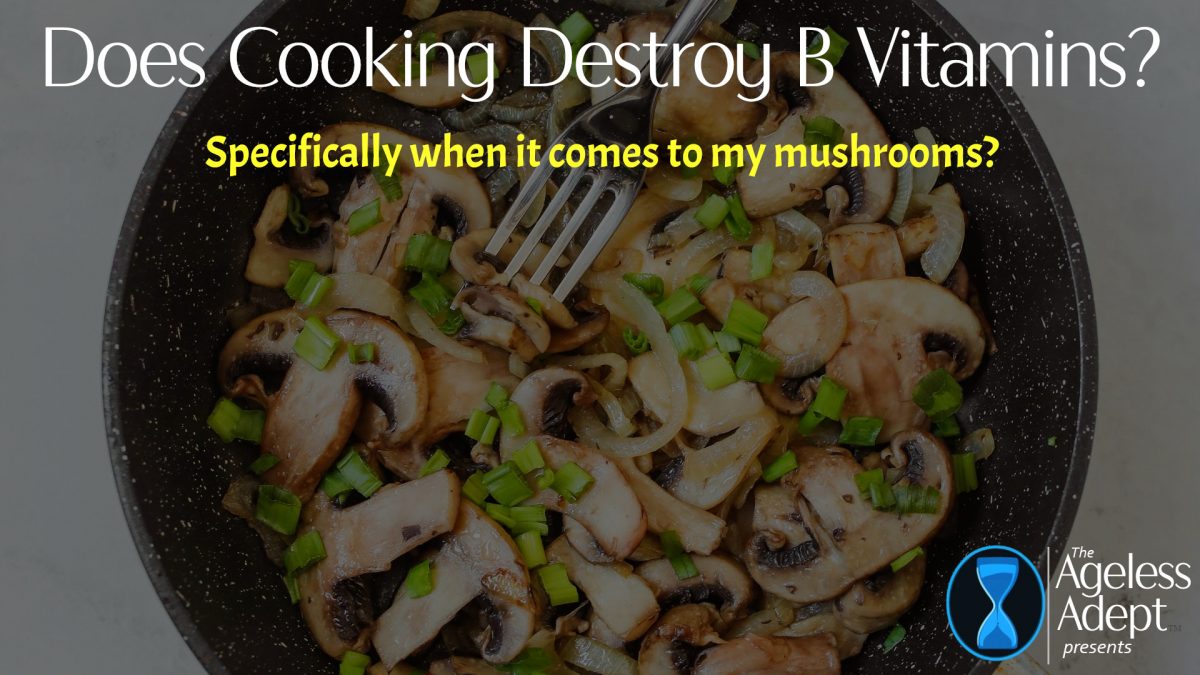
I’m eating mushrooms for their Vitamin content. Does stir-frying shitake mushrooms destroy any of its Vitamin B content or other nutritional properties?
Stir-frying shiitake mushrooms can cause some loss of nutrients, but the impact depends on the specific nutrient and the cooking method. Here’s a breakdown:


Vitamin B Content:

  • B vitamins (such as B1, B2, B3, and B6) are water-soluble and sensitive to heat. Cooking, especially at high temperatures, can degrade these vitamins.

    • Impact of Stir-Frying: Stir-frying is a relatively quick cooking method, so it typically preserves more B vitamins compared to boiling or stewing. However, prolonged exposure to high heat can lead to some loss.


Other Nutritional Properties:

  1. Polysaccharides:

    • Shiitake mushrooms are rich in beta-glucans, which support immune health.

    • Impact of Stir-Frying: These compounds are relatively heat-stable, so stir-frying has minimal impact on their effectiveness.

  2. Minerals:

    • Minerals like selenium, potassium, and copper are not significantly affected by heat, as they are heat-stable.

  3. Antioxidants:

    • Shiitake mushrooms contain antioxidants like ergothioneine, which are fairly heat-stable.

    • Stir-frying can even increase the bioavailability of some antioxidants by breaking down cell walls.

  4. Protein:

    • Protein is largely unaffected by stir-frying, though extreme heat can denature it slightly. This has minimal nutritional impact.


Tips to Preserve Nutrients:

  • Short Cooking Time: Keep stir-frying time brief (5–7 minutes) over medium heat to minimize nutrient loss.

  • Avoid Overheating: Use moderate heat rather than high heat to retain more B vitamins.

  • Use Minimal Oil: Too much oil can add unnecessary calories and may interfere with nutrient absorption.

  • Don’t Overcrowd the Pan: This ensures even cooking and reduces the time needed.


Conclusion:

Stir-frying shiitake mushrooms is one of the better methods for preserving nutrients compared to longer, wetter cooking methods like boiling. While there might be a slight reduction in B vitamin content, the overall nutritional value remains high. To maximize their benefits, aim for quick cooking and moderate heat.

While we’re on the topic, does boiling pumpkin seeds (as in a soup) decrease the zinc content?

Boiling pumpkin seeds, such as in a soup, does not significantly decrease the zinc content because zinc is a mineral and is heat-stable. Unlike vitamins (e.g., vitamin C or B vitamins) that can degrade with heat, minerals like zinc are not destroyed by cooking.

What Might Happen During Boiling:

  1. Leaching into the Water: Some zinc may leach into the soup liquid during boiling. However, if you consume the soup broth along with the seeds, you won’t lose the zinc.

  2. Nutrient Bioavailability: Cooking can sometimes enhance the bioavailability of certain nutrients by breaking down anti-nutrients like phytic acid, which can bind to zinc and reduce absorption.

Maximizing Zinc Retention:

  • If you’re boiling pumpkin seeds in soup, make sure to consume the liquid as well to retain any zinc that has leached out.

  • For better absorption, you can roast the seeds instead, as roasting is less likely to cause mineral leaching and may also reduce phytic acid levels.

Frequently Asked Questions

Does cooking destroy all vitamins?

No, mainly water-soluble and heat-sensitive vitamins are affected.

Is stir-frying better than boiling?

Yes, shorter cooking times help preserve more nutrients.

Do minerals get destroyed by heat?

No, minerals like zinc remain stable during cooking.


A.I. Disclaimer

Please note that the AI-generated responses to my health-related questions are often slightly customized based on a special prompt that includes my stated preferences for natural remedies, vegan-friendly products and protocols, alternative therapies, Traditional Chinese Medicine, and my personal medical history.

I encourage you to begin your own dialogue with AI to tailor recommendations to your specific needs. —The Ageless Adept

***


Save $$$ on Products I Use (Click Image to View All)
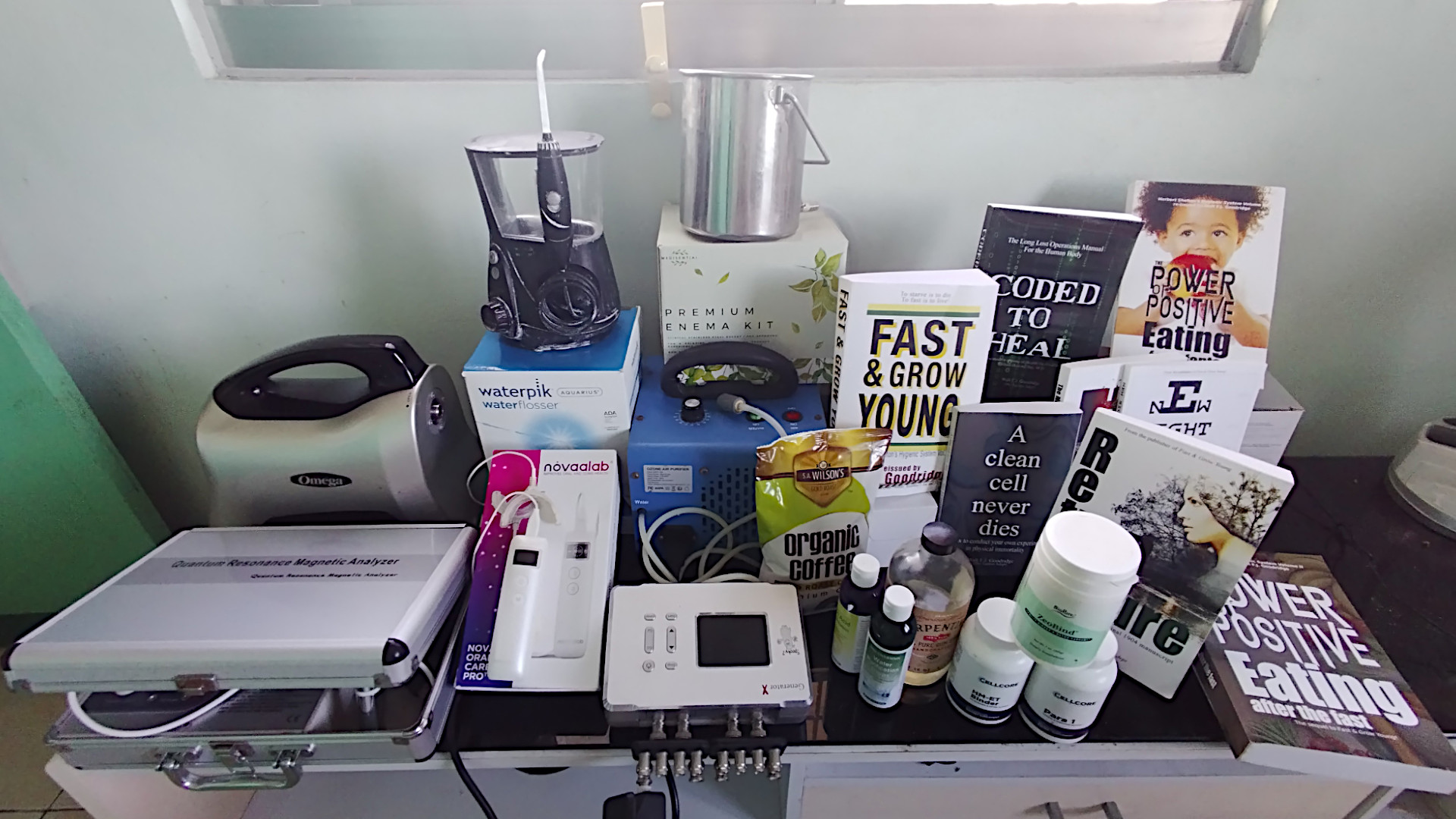

For discount coupon codes and direct links for some of unique health products I use, check out The Coupon PageThe Ageless Adept

***

Activating Fruits & Vegetables with UV Light!

UV light may temporarily enhance certain nutrients in produce, but storage and cooking methods play a major role in retention.

Quick Answer: Exposing certain fruits and vegetables to UV light may enhance antioxidant levels temporarily, though effects vary and nutrient gains diminish over time.

Are there any other store-bought or farmers market bought fruits and vegetables that I can put on the UV light tray to stimulate their nutritional value?

Yes, you can enhance the nutritional value of several fruits and vegetables by exposing them to UV light. Here are some options you might consider placing on the tray along with your mushrooms:

Fruits and Vegetables:

  1. Spinach:

    • Nutritional Boost: Rich in vitamins A, C, and K, as well as iron and calcium. UV exposure can enhance its antioxidant properties.

  2. Kale:

    • Nutritional Boost: Packed with vitamins A, C, and K, kale may benefit from increased antioxidant levels when exposed to UV light.

  3. Broccoli:

    • Nutritional Boost: Contains vitamins C and K, fiber, and sulforaphane. UV exposure can enhance its health benefits.

  4. Carrots:

    • Nutritional Boost: Rich in beta-carotene (which converts to vitamin A) and other antioxidants. UV light may help increase phytonutrient levels.

  5. Bell Peppers:

    • Nutritional Boost: High in vitamins A, C, and E, as well as various antioxidants. UV light exposure may increase vitamin C content.

  6. Tomatoes:

    • Nutritional Boost: Rich in lycopene, which is increased through exposure to UV light. This can enhance their cancer-fighting properties.

  7. Cabbage:

    • Nutritional Boost: Contains vitamins C and K, fiber, and antioxidants. UV exposure may enhance its overall nutritional profile.

  8. Herbs (like Parsley and Basil):

    • Nutritional Boost: These herbs are rich in vitamins and antioxidants. UV exposure may increase their essential oil content, enhancing flavor and benefits.

Fruits:

  1. Strawberries:

    • Nutritional Boost: High in vitamin C, fiber, and antioxidants. UV exposure may enhance antioxidant levels.

  2. Blueberries:

    • Nutritional Boost: Rich in antioxidants, particularly anthocyanins. UV light may help increase these compounds.

  3. Citrus Fruits (Lemons, Oranges):

    • Nutritional Boost: High in vitamin C. UV exposure can enhance the overall nutrient profile.

  4. Grapes:

    • Nutritional Boost: Contains antioxidants and vitamins. UV exposure may enhance the polyphenol content.

  5. Apples:

    • Nutritional Boost: High in fiber and vitamin C. UV light exposure may increase antioxidant levels.

Tips for UV Exposure:

  • Timing: Expose fruits and vegetables to UV light for about 10-30 minutes, depending on the strength of the lamp.

  • Placement: Make sure the fruits and vegetables are evenly spaced to maximize exposure.

  • Monitoring: Keep an eye on the exposure time to avoid any potential damage from prolonged exposure.

Conclusion:

Using UV light to stimulate the nutritional value of a variety of fruits and vegetables can be a great addition to your dietary regimen. By incorporating a range of produce, you can enhance their health benefits and enjoy a more nutrient-dense diet.

How long does the increased nutritional profile last after exposure? Does it “decay” over time? Does boiling or stir-frying (e.g., mushrooms) diminish the nutritional value?

The increased nutritional profile from UV exposure does indeed have a limited duration, and various factors can affect how long these enhanced levels of nutrients last. Here’s a breakdown:

1. Duration of Increased Nutritional Profile:

  • Vitamin D in Mushrooms:

    • The vitamin D produced in mushrooms from UV exposure can last for several days to a few weeks, depending on how they are stored. However, as time passes, especially if they are exposed to light or heat, the levels can decrease.

  • Antioxidants in Fruits and Vegetables:

    • The increase in antioxidants due to UV exposure can diminish over time, typically within a week. Factors such as exposure to light, air, and temperature can accelerate the degradation of these compounds.

2. Decay of Nutritional Value:

  • Storage Conditions:

    • Nutrients can decay more quickly if fruits and vegetables are stored improperly (e.g., in warm temperatures or with high light exposure). For optimal retention, store them in a cool, dark place or refrigerate them.

  • Chemical Reactions:

    • Some antioxidants are sensitive to air (oxidation) and light, which can further contribute to their degradation over time.

3. Effects of Cooking Methods:

  • Boiling:

    • Boiling can significantly diminish the nutritional value of vegetables, particularly water-soluble vitamins (like vitamin C and some B vitamins). These vitamins can leach into the water. The extent of loss can be around 30-50%, depending on cooking time and temperature.

  • Stir-Frying:

    • Stir-frying typically retains more nutrients than boiling, especially if done quickly at high heat. However, it can still lead to some loss, particularly of heat-sensitive vitamins. The addition of a small amount of healthy fat (like olive oil) can help enhance the absorption of fat-soluble vitamins (A, D, E, and K).

Recommendations:

  • Consume UV-Exposed Produce Promptly: After UV exposure, try to consume mushrooms and other fruits or vegetables within a few days for the best nutrient retention.

  • Avoid Excessive Cooking: If you choose to cook, opt for methods like steaming or stir-frying instead of boiling to minimize nutrient loss. Quick cooking methods can help preserve more vitamins and minerals.

Please recommend a brand or key product features for an at home UV lamp for mushroom, fruit & vegetable activation.

When looking for an at-home UV lamp specifically for activating mushrooms to increase their vitamin D content, consider the following features and brands:

Key Features to Look For:

  1. UVB Emission:

    • Ensure that the lamp emits UVB rays, as these are necessary for the vitamin D synthesis in mushrooms. A good lamp should specify that it emits UVB radiation.

  2. Wattage:

    • Look for a lamp with sufficient wattage (generally between 15-25 watts) to ensure effective UV exposure.

  3. Adjustable Height and Angle:

    • A lamp that allows you to adjust the height and angle can help direct the UV light effectively onto the mushrooms.

  4. Safety Features:

    • Consider a lamp with safety features such as a built-in timer or an automatic shut-off to prevent overexposure.

  5. Durability:

    • Look for durable materials that can withstand repeated use and are easy to clean.

  6. Portability:

    • A lightweight and portable lamp is easier to position for optimal exposure.

Recommended Brands/Products:

  1. Grow Light Systems (like “T5 Fluorescent Grow Lights”):

    • Example Product: T5 Grow Light

    • Key Features: Full-spectrum light with UVB output, suitable for a variety of plants and mushrooms. Adjustable height.

  2. ReptiSun UVB Lamps:

    • Example Product: Zoo Med ReptiSun 10.0 UVB Fluorescent Lamp T5 UVB Reptile Light 24W

    • Key Features: Specifically designed for reptiles, but effective for UVB exposure. Check compatibility for mushrooms.

  3. LED Grow Lights:

  4. General UV Lamps:

  5. Hydroponic Lighting Kits:

    • Example Product: iPower 400W HPS Grow Light Bulb Lamp (iPower 600W HPS Grow Light Kit)

    • Key Features: Offers a full spectrum of light including UV; often includes reflectors and adjustable settings.

Tips for Purchase:

  • Check Reviews: Read customer reviews and ratings to gauge effectiveness and durability.

  • Compare Prices: Look for deals online or at local gardening stores to find the best price.

  • Compatibility: Ensure that the lamp you choose is suitable for the size and type of mushrooms you intend to activate.

Conclusion:

Selecting the right UV lamp can help you enhance the vitamin D content in mushrooms effectively. Make sure to read the specifications carefully to ensure it meets your needs.

Frequently Asked Questions

Which foods benefit from UV exposure?

Foods like mushrooms, leafy greens, and some fruits may show increased antioxidants after UV exposure.

How long do UV-enhanced nutrients last?

Most increases decline within days, especially with exposure to heat, light, and air.

Does cooking reduce UV-enhanced nutrients?

Yes, boiling can significantly reduce nutrients while quick cooking methods like stir frying preserve more.


A.I. Disclaimer

Please note that the AI-generated responses to my health-related questions are often slightly customized based on a special prompt that includes my stated preferences for natural remedies, vegan-friendly products and protocols, alternative therapies, Traditional Chinese Medicine, and my personal medical history.

I encourage you to begin your own dialogue with AI to tailor recommendations to your specific needs. —The Ageless Adept

***


Save $$$ on Products I Use (Click Image to View All)


For discount coupon codes and direct links for some of unique health products I use, check out The Coupon PageThe Ageless Adept

***

Footer [wpcode id="144"]

Check Out My Youtube Channels:

Ageless Adept
Ageless Adept™
Ask a Vegan
Ask a Vegan™
Rope Worm Cure
Rope Worm Cure
Walt's Passionpreneur
The Passion Prophet Channel
DiscoverSaipan
DiscoverSaipan
Jamaican in China
Jamaican in China & Beyond
Walt's Life Rhymes
Walt's Life Rhymes
Walt's Random Thoughts