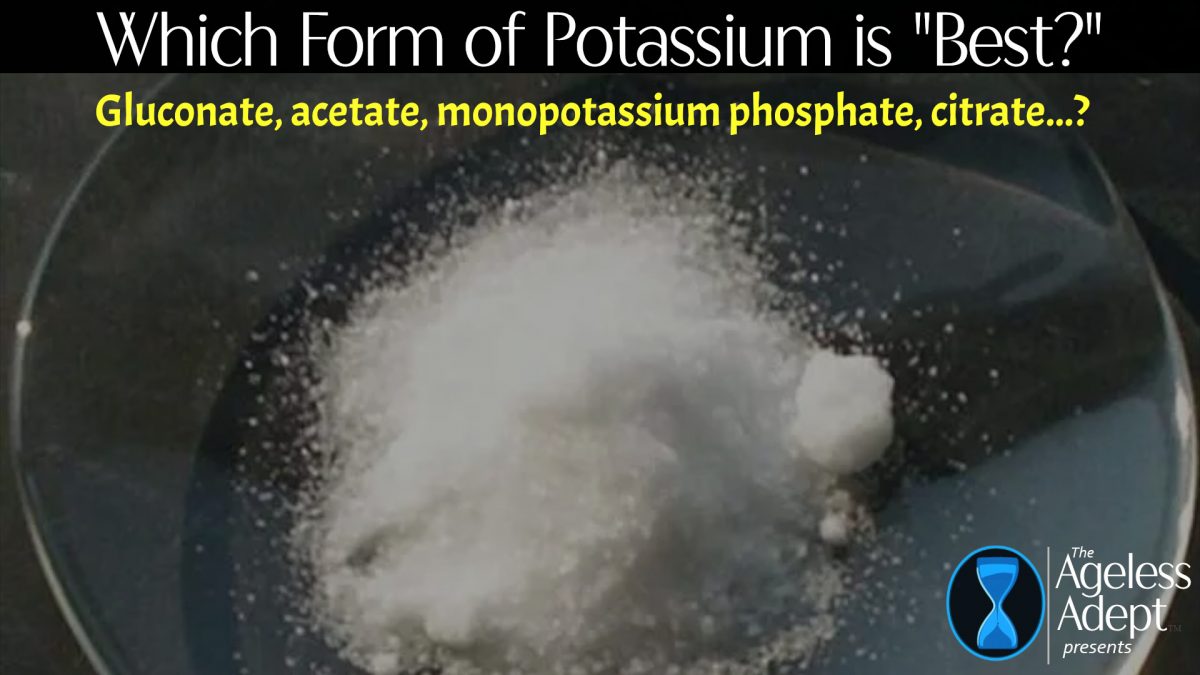
Quick Answer: The best potassium form depends on your goal, but a combination of gluconate, acetate, and monopotassium phosphate offers balanced replenishment and buffering support.
The STATMX.com website used to offer a potassium compound powder that I believed to be a good replenishment option given my frequent coffee enemas. It contained Ingredients: Potassium gluconate, potassium acetate, monopotassium phosphate in equal parts. Most other vitamin sites sell potassium citrate or gluconate only–not combined. First, which form of potassium is the most beneficial? Second, if a similar aforementioned combination is better, please find a specific product to recommend.
 Great — thank you. I’ll answer in two parts so it’s usable right away:
(A) Which chemical form of potassium is “best” — quick summary
(B) If the 3-salt combo (gluconate + acetate + monopotassium phosphate) is preferable, a specific product recommendation + practical dosing and safety guidance.
A — Which potassium form is most beneficial?
Short answer: There is no single “best” form for everyone — it depends on the purpose.
Quick comparison (what each does / when it’s useful):
-
Potassium chloride (KCl) — contains the most elemental potassium by weight. Commonly used to correct low serum K quickly. Not ideal for routine small replenishment because it can irritate stomach and has a salty taste.
-
Potassium citrate / bicarbonate / acetate — alkalinizing forms. They provide potassium while producing bicarbonate (or converted to bicarbonate) in the body, which reduces urinary acidity and can help prevent certain kidney stones and reduce urinary calcium excretion. Good if you want an alkalinizing effect.
-
Potassium gluconate — a gentler form (often better tolerated on the stomach) but contains less elemental potassium per dose than KCl. Good for everyday maintenance and for people sensitive to the harsher salts.
-
Monopotassium phosphate (MKP / KH₂PO₄) — supplies potassium + phosphate. Useful when you want to replenish phosphate as well (IV formulations use it in hospitals). It’s not primarily used to change acid/alkaline balance the way citrate/acetate do, but gives buffering and phosphorus (important for energy/bone).
How that applies to you (coffee enemas / frequent small K losses):
-
Coffee enemas can increase diuresis and may shift electrolytes; for routine replenishment a gentle, well-tolerated form is best (gluconate or mixed compounds rather than straight KCl).
-
If you want extra alkalizing benefit (urine/bone), include citrate/acetate. If you want added phosphate after heavy detox or long fasting, MKP is helpful.
B — Is the 3-salt combo (gluconate + acetate + monopotassium phosphate) better — and a product recommendation?
Why the 3-salt combo is sensible
-
It combines gentleness (gluconate), alkalinizing buffering (acetate), and phosphate repletion (monopotassium phosphate) in a single powder. For people doing frequent enemas/juicing/detox, that broader coverage addresses several needs at once (electrolyte replenishment, acid–base support, and phosphate for energy/bone). That’s why the “Potassium Compound” mix is commonly used in Gerson-style programs and among detox practitioners. You’ll find essentially the same formula sold under several small suppliers.
Products I found that match your requested combo
(These are the commonly available, Gerson-style potassium compound powders — they contain equal parts potassium gluconate, potassium acetate and monopotassium phosphate.)
-
Time Honored Formulas — Potassium Compound Powder (100 g)
-
Description: “Potassium Compound contains equal amounts of Potassium gluconate, Potassium acetate and Mono-Potassium Phosphate.” ~75 mg K per ½ teaspoon (per product description). Good reputation for being the “traditional” Gerson-style blend.
-
-
STATMX — Potassium COMPOUND SALTS 100 g
-
The item you remembered (Statmx previously sold it). Ingredients listed exactly as you recalled: potassium gluconate / potassium acetate / monopotassium phosphate. This is what you used before.
-
-
Time Honored / Amazon / other resellers — the same formulation is sold under small brands (Time Honored, Gerson Potassium Salts listings on Amazon/eBay). These are essentially the same powder, marketed to juices/enema users.
Which of these to choose?
-
If you liked the STATMX product previously, STATMX Potassium Compound Salts (or the Time Honored Formulas version) are appropriate and match what you described. They’re the straightforward “3-salt” powders widely used for juicing/enema electrolyte replenishment.
Practical dosing & how to use (safe, conservative approach)
-
Typical powder instructions (examples from sellers): many sellers indicate ~½ tsp powder in 8–12 oz distilled or filtered water as a typical serving (Time Honored says ~75 mg K per ½ tsp; STATMX notes ~150 mg per teaspoon when prepared). Start low.
-
Conservative plan for frequent enemas: start with ¼–½ teaspoon in a glass of water after an enema or whenever you feel lightheaded. See how you feel (energy, urination, muscle cramps). Increase slowly only if needed.
-
Do not exceed manufacturer guidance. For meaningful correction of low serum K, higher therapeutic doses are medical and should be supervised.
Safety notes — important (please read)
-
Check kidney function first. If you have any kidney impairment or take medications that raise potassium (ACE inhibitors, ARBs, potassium-sparing diuretics, NSAIDs, some beta-blockers), oral potassium can cause dangerous hyperkalemia. If in doubt, get a serum potassium and basic metabolic panel. (Linus Pauling Institute and clinical sources support checking renal status before supplementing.)
-
Symptoms of high potassium (stop & test): muscle weakness, palpitations, numbness, tingling, unusual fatigue, or slowed heartbeat. If any of these occur, stop supplementation and seek urgent medical testing.
-
If you do frequent coffee enemas (or long detox programs that increase diuresis), periodic basic metabolic panels (BMP) to check electrolytes every few weeks are prudent.
-
Elemental potassium note: different potassium salts contain different amounts of elemental K. Don’t assume “one teaspoon” across products equals the same elemental potassium — the powders above are low-dose maintenance formulations (not prescription KCl equivalents).
Practical recommendation for you (concise)
-
If your goal is safe, practical replenishment after frequent enemas, use a 3-salt potassium compound powder (the same style you used before) rather than straight KCl. It’s gentler and addresses acid/base + phosphate needs as well as K replacement. Time Honored Formulas Potassium Compound Powder or STATMX Potassium COMPOUND SALTS (100 g) are exactly what you described and appropriate to re-order.
-
Start with ¼–½ tsp in a glass of water after an enema; monitor symptoms and hydration. If you have any kidney disease, adrenal disorder, or take K-raising medications, do not self-supplement — check labs first.
Frequently Asked Questions
Which potassium form is easiest on the stomach?
Potassium gluconate is generally gentler and better tolerated for daily supplementation.
Why use a potassium blend?
A combination provides broader support including electrolyte balance, alkalinity, and phosphate replenishment.
Is potassium supplementation safe?
It is safe when used appropriately but requires caution if kidney issues or certain medications are present.
A.I. Disclaimer
I encourage you to begin your own dialogue with AI to tailor recommendations to your specific needs. —The Ageless Adept
***
Save $$$ on Products I Use (Click Image to View All)
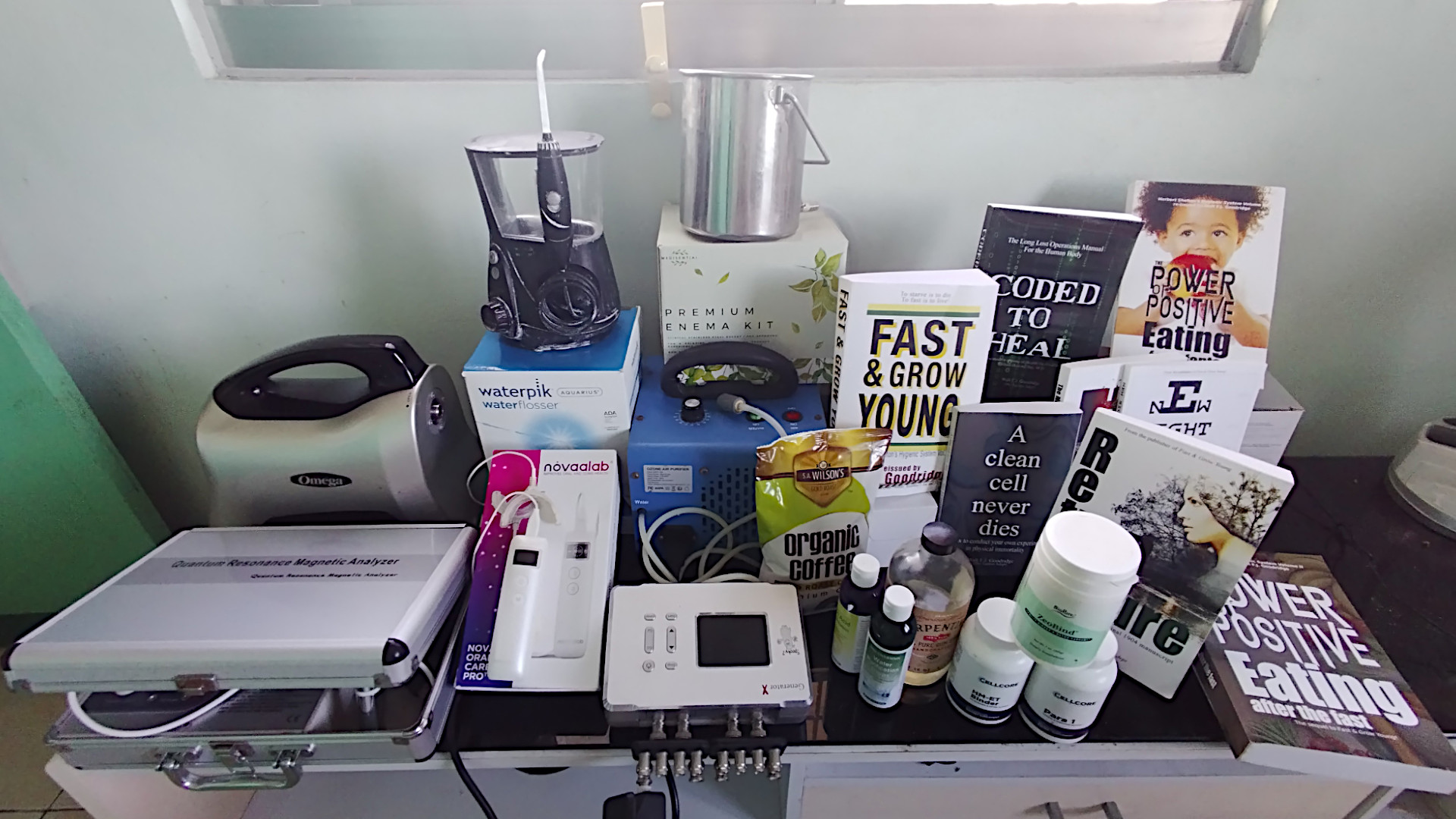
For discount coupon codes and direct links for some of unique health products I use, check out The Coupon Page —The Ageless Adept
***
-

Fast & Grow Young!
Price range: $6.49 through $16.95 Select options This product has multiple variants. The options may be chosen on the product page -
A Clean Cell Never Dies
Price range: $4.95 through $9.95 Select options This product has multiple variants. The options may be chosen on the product page -

The Man Who Lived Forever (formerly titled The Ageless Adept)
Price range: $5.99 through $14.95 Select options This product has multiple variants. The options may be chosen on the product page