

Quick Answer: Natural strategies like strength training, stress reduction, quality sleep, and targeted nutrition can help optimize testosterone levels even within the normal range.
Here are my Male Sexual Function readings from my Magnetic Resonance Analysis Device. Even though they fall withing normal range, I’d like ALL suggestions on how to increase them as well as any and all observations or concerns.
Testosterone (normal: 3.342 – 9.461) 4.017
Gonadotropin (normal: 4.111 – 18.741) 6.945
Erection Transmitter (normal: 3.241 – 9.814) 5.400

Here are your Male Sexual Function readings along with assessments, observations, and suggestions for improving them:
Male Sexual Function Readings Assessment
-
Testosterone
-
Your reading: 4.017 (Normal)
-
Normal range: 3.342 – 9.461
-
Importance: Testosterone is crucial for libido, erectile function, muscle mass, and bone density.
-
-
Gonadotropin
-
Your reading: 6.945 (Normal)
-
Normal range: 4.111 – 18.741
-
Importance: Gonadotropins (LH and FSH) stimulate testosterone production and sperm development.
-
-
Erection Transmitter
-
Your reading: 5.400 (Normal)
-
Normal range: 3.241 – 9.814
-
Importance: This transmitter plays a role in achieving and maintaining an erection.
-
Observations
-
Your readings are all within the normal range, which indicates that your male sexual function is currently functioning adequately. However, as you desire to optimize these levels, it’s useful to explore various ways to enhance them further.
Suggestions to Increase Male Sexual Function
1. Lifestyle Modifications
-
Exercise Regularly: Engage in strength training and cardiovascular exercises. Exercise can boost testosterone levels, improve circulation, and enhance mood.
-
Maintain a Healthy Weight: Excess body fat, especially around the abdomen, can negatively affect hormone levels, including testosterone.
-
Reduce Stress: Chronic stress elevates cortisol levels, which can inhibit testosterone production. Practice relaxation techniques such as meditation, yoga, or deep-breathing exercises.
2. Nutrition
-
Balanced Diet: Ensure your diet includes a mix of healthy fats (like avocados, nuts, and olive oil), proteins (such as legumes, tofu, and tempeh), and plenty of fruits and vegetables.
-
Zinc-Rich Foods: Zinc is important for testosterone production. Include foods such as pumpkin seeds, chickpeas, and lentils.
-
Vitamin D and B Vitamins: Ensure adequate levels of these vitamins as they are linked to hormone production. Sources include fortified plant-based milk and whole grains.
3. Sleep and Recovery
-
Prioritize Sleep: Aim for 7-9 hours of quality sleep per night, as sleep deprivation can lower testosterone levels and affect libido.
-
Rest and Recovery: Incorporate rest days into your exercise routine to allow your body to recover.
4. Supplements
-
Herbal Supplements: Consider herbs such as:
-
Ashwagandha: May help reduce stress and boost testosterone levels.
-
Maca Powder: Traditionally used to enhance libido and sexual function.
-
Tribulus Terrestris: Sometimes used to support testosterone levels and libido.
-
-
Vitamins: Supplement with Vitamin D3 and Zinc Picolinate if your dietary intake is insufficient.
5. Avoid Endocrine Disruptors
-
Limit Alcohol and Tobacco Use: Both can negatively affect hormone levels.
-
Reduce Exposure to Chemicals: Avoid plastics containing BPA and other endocrine disruptors. Opt for glass or stainless steel containers.
6. Consult a Healthcare Provider
-
If you’re considering supplements or significant lifestyle changes, consult with a healthcare provider or a qualified nutritionist, especially for personalized advice and dosages.
Summary
Although your current readings are normal, optimizing testosterone, gonadotropin, and erection transmitter levels can have positive effects on libido and sexual performance. By focusing on lifestyle choices, nutrition, and potential herbal supplements, you may enhance these functions further.
Frequently Asked Questions
Can you increase testosterone naturally?
Yes, lifestyle factors like exercise, sleep, and diet play a major role in supporting healthy testosterone production.
Which nutrients support testosterone?
Zinc, vitamin D, and healthy fats are key nutrients linked to hormone balance and testosterone support.
Do herbal supplements help testosterone?
Some herbs like ashwagandha and maca may support hormone balance and libido when used consistently.
A.I. Disclaimer
I encourage you to begin your own dialogue with AI to tailor recommendations to your specific needs. —The Ageless Adept
***
Save $$$ on Products I Use (Click Image to View All)
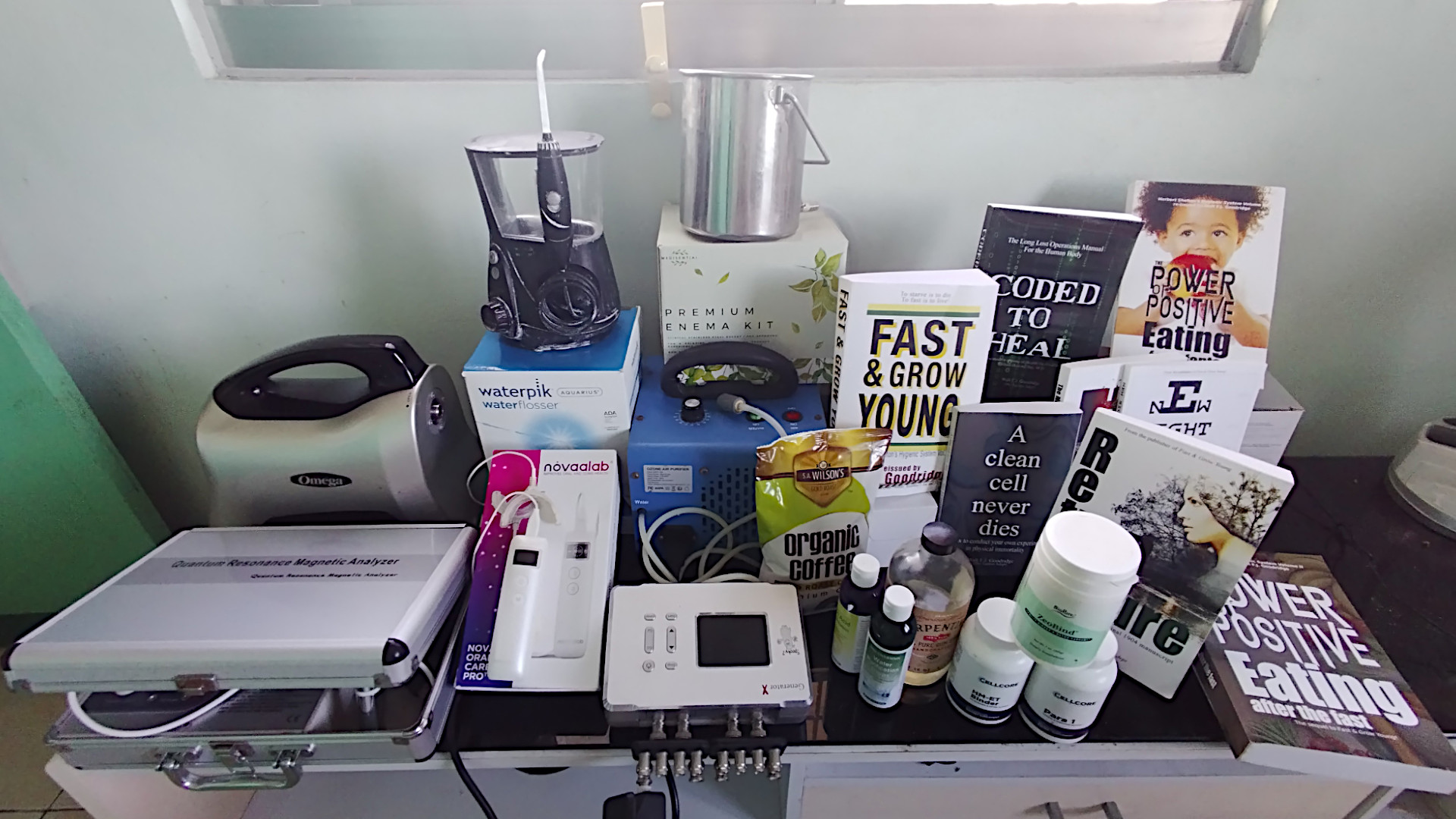
For discount coupon codes and direct links for some of unique health products I use, check out The Coupon Page —The Ageless Adept
***
-

A Clean Cell Never Dies
Price range: $4.95 through $9.95 Select options This product has multiple variants. The options may be chosen on the product page -

Fit to Breed…Forever!
Price range: $4.99 through $11.97 Select options This product has multiple variants. The options may be chosen on the product page -

The Man Who Lived Forever (formerly titled The Ageless Adept)
Price range: $5.99 through $14.95 Select options This product has multiple variants. The options may be chosen on the product page