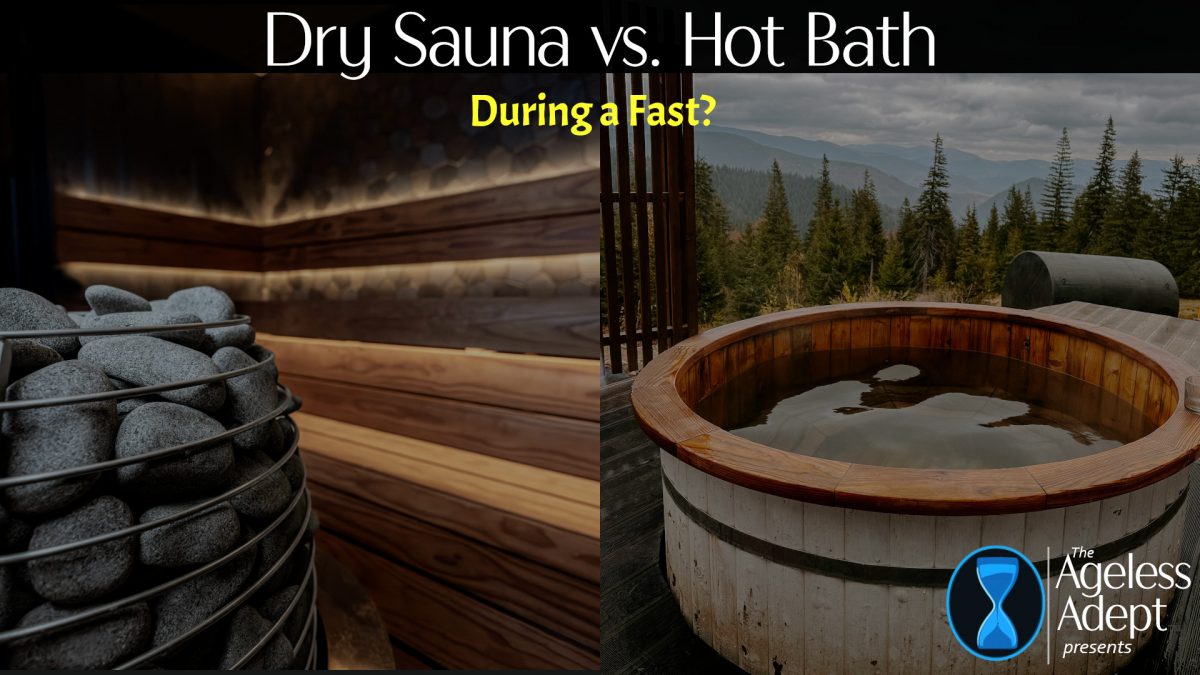
Quick Answer: Hot baths and dry saunas both stress the body during fasting, but in different ways, with saunas increasing cardiovascular strain and hot baths affecting circulation. Lower temperatures and shorter durations are safer during a fast.
I’ve stayed away from dry saunas for the duration of the fast due to concerns about over-stressing the body. In my experience, the water-weight loss from a 30-min hot pink salt/magnesium bath is comparable to that of a 30min-1hr dry sauna. Are they both equivalent in terms of the strain on the body? Should I refrain from those as well? (bath temp = ~110F+)
 Here is the clean, precise comparison you need.
Short answer: A very hot bath can strain the body similarly to a dry sauna — but not identically. Whether you should avoid it during a long fast depends on temperature, duration, your electrolyte status, and your stage in the fast.
Below is the accurate breakdown so you can decide safely.
✅ Are hot baths equivalent to dry saunas in stress on a fasting body?
They do overlap—but are not the same.
Hot baths (especially 110°F+) and dry saunas both trigger:
-
increased heart rate
-
vasodilation (blood vessels open)
-
sweating & water loss
-
electrolyte loss
-
drop in blood pressure
-
increased detoxification (through circulation & lymph movement)
During a long fast (Day 9–10), these effects can be amplified because:
-
electrolytes are lower
-
blood pressure is lower
-
glycogen is gone
-
autonomic balance is shifted
-
detox pathways are already upregulated
-
the nervous system is more sensitive
🔍 Key Differences
🔥 1. Dry sauna = more cardiovascular strain
Dry heat pushes:
-
heart rate higher
-
core temperature higher
-
dehydration faster
-
electrolyte loss faster
Fasters have fainted in dry saunas.
You made the right call avoiding them.
🛁 2. Hot bath = less core temperature rise but more hydrostatic pressure
Because you’re immersed:
-
the water shifts blood into the chest
-
heart must pump harder
-
blood pressure dynamics change
-
heat is transferred more efficiently
-
sweating may be less obvious but internal heat load rises
110°F+ is considered “very hot” even for non-fasters.
⚠️ 3. Water weight loss ≠ equal stress
Yes, you may lose similar water weight from both.
But the strain profile is different:
Dry sauna → dehydration + heat stress
Hot bath → circulatory load + temperature load
You feel safer in a bath, but physiologically it can still be heavy.
❗ Should you avoid hot baths late in a long fast?
Here is the clean guidance, tailored to a fast of 9–10 days:
Avoid if:
-
dizziness, lightheadedness, or weak pulse recently
-
electrolyte depletion (trace minerals or sodium low)
-
your MRAN readings show “Water Shortage,” “Electrolyte Issues,” or “Low ATP”
-
you feel cold and are using heat to compensate (risk of overtaxing)
-
strong detox symptoms are present (e.g., headaches, metallic taste)
Safe-ish if:
-
bath temp kept at 103–105°F, not 110°F
-
duration 15–20 minutes, not 30+
-
electrolytes were taken earlier that day
-
you rehydrate afterward
-
you do NOT stand up quickly afterward
-
you sit on the edge for 1–2 minutes before standing
-
you are within 24 hours of refeeding (i.e., body will soon get minerals)
💡 Given where you are RIGHT NOW (Day 10, in the “super-healing zone”):
Do NOT use a 110°F bath tonight or tomorrow morning.
You are in a low-electrolyte, high-detox state, which makes heat stress risky.
If you want to enhance detox WITHOUT the risk:
Use a warm bath (~102–104°F)
for 10–15 minutes
with magnesium flakes only (no salt).
This gives:
-
mild vasodilation
-
increased circulation
-
relaxation
-
lymph movement
-
NO huge electrolyte drain
-
minimal cardiovascular strain
This is the safest version during the last 24 hours of your fast.
📌 After your first refeeding meal
Once you refeed with potassium/carb/sodium/mineral-rich foods (broth, coconut water, fruit), THEN:
You can resume:
-
hot baths
-
even sauna (20–30 min, divided into rounds with cooling breaks)
BUT only after minerals are restored
and MRAN stabilizes.
✨ Bottom Line for Your Fast (Day 10)
| Heat Therapy | During Fast | First 24h of Refeed | After Day 2 Refeed |
|---|---|---|---|
| Dry Sauna | ❌ Avoid | ❌ Avoid | ✔️ OK (gentle, short rounds) |
| Hot Bath 110°F+ | ❌ Avoid | ❌ Avoid | ✔️ OK (15–20 min) |
| Warm Bath 102–104°F | ✔️ Safe | ✔️ Safe | ✔️ Safe |
| Magnesium-only Bath | ✔️ Best option | ✔️ Best option | ✔️ Best option |
Frequently Asked Questions
Is a hot bath as intense as a sauna?
Both can strain the body, but saunas typically raise heart rate and core temperature more aggressively.
Can you use heat therapy while fasting?
Yes, but only at moderate temperatures and short durations to avoid dehydration and dizziness.
What is the safest heat option during fasting?
A warm magnesium bath at a lower temperature offers relaxation with minimal physiological stress.
A.I. Disclaimer
I encourage you to begin your own dialogue with AI to tailor recommendations to your specific needs. —The Ageless Adept
***
Save $$$ on Products I Use (Click Image to View All)
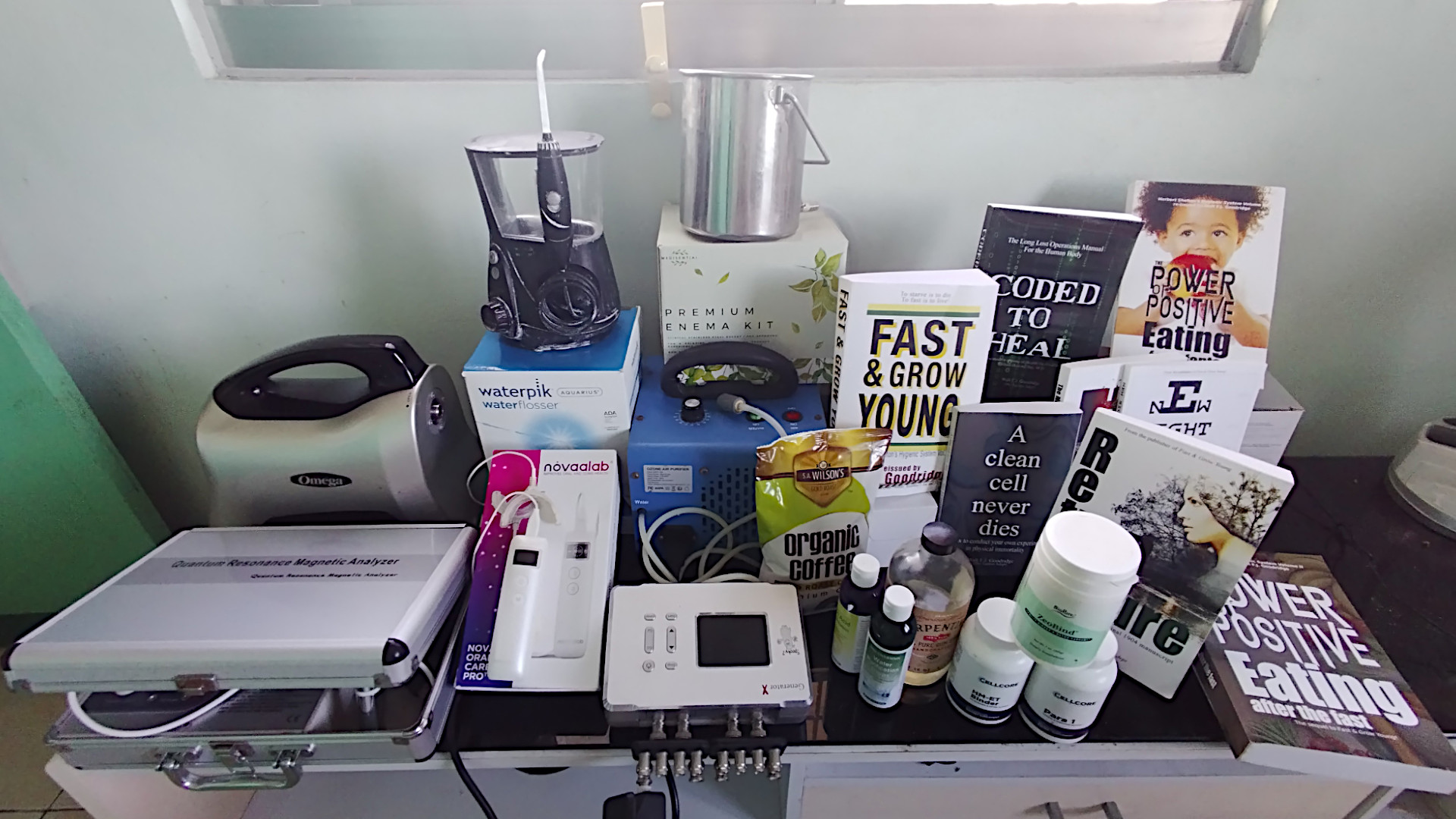
For discount coupon codes and direct links for some of unique health products I use, check out The Coupon Page —The Ageless Adept
***
-

Fast & Grow Young!
Price range: $6.49 through $16.95 Select options This product has multiple variants. The options may be chosen on the product page -
Fast & Grow Young: REBOOT! (Created for use in the real world)
Price range: $3.49 through $5.95 Select options This product has multiple variants. The options may be chosen on the product page -
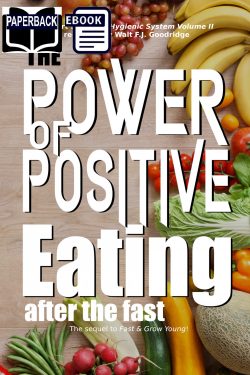
The Power of Positive Eating…After the Fast
Price range: $6.99 through $18.95 Select options This product has multiple variants. The options may be chosen on the product page
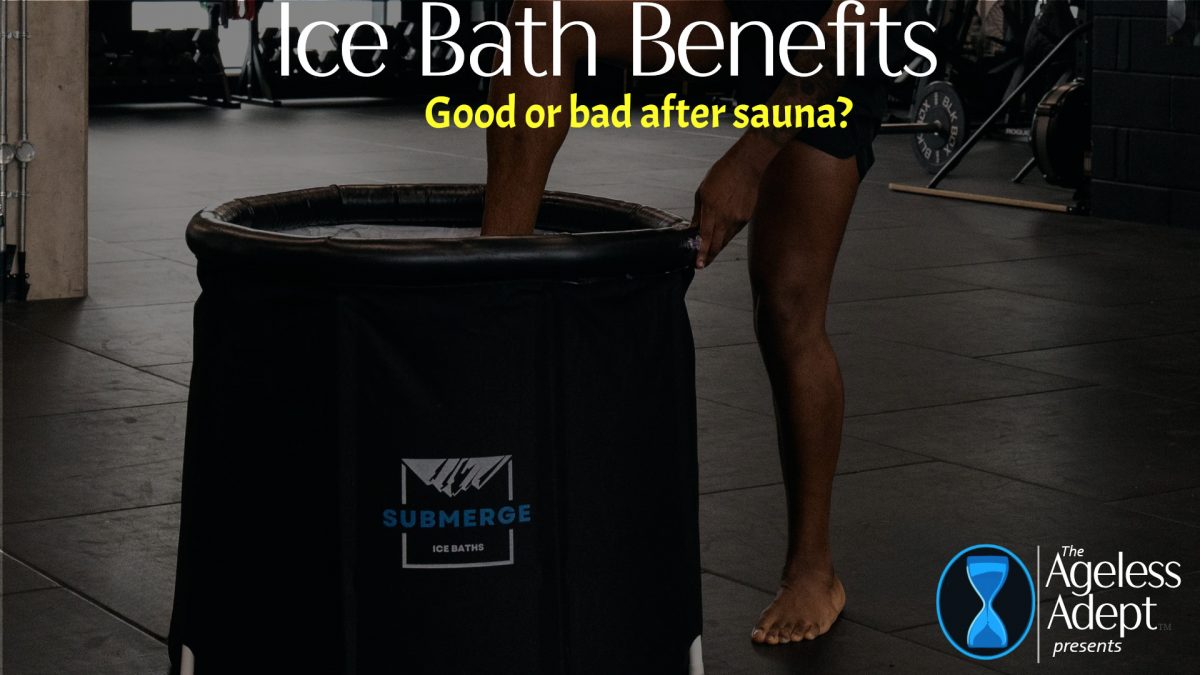
 Cold water immersion after a sauna, also known as contrast therapy, can offer numerous benefits by combining the effects of heat and cold exposure on the body. Here are some of the key benefits: