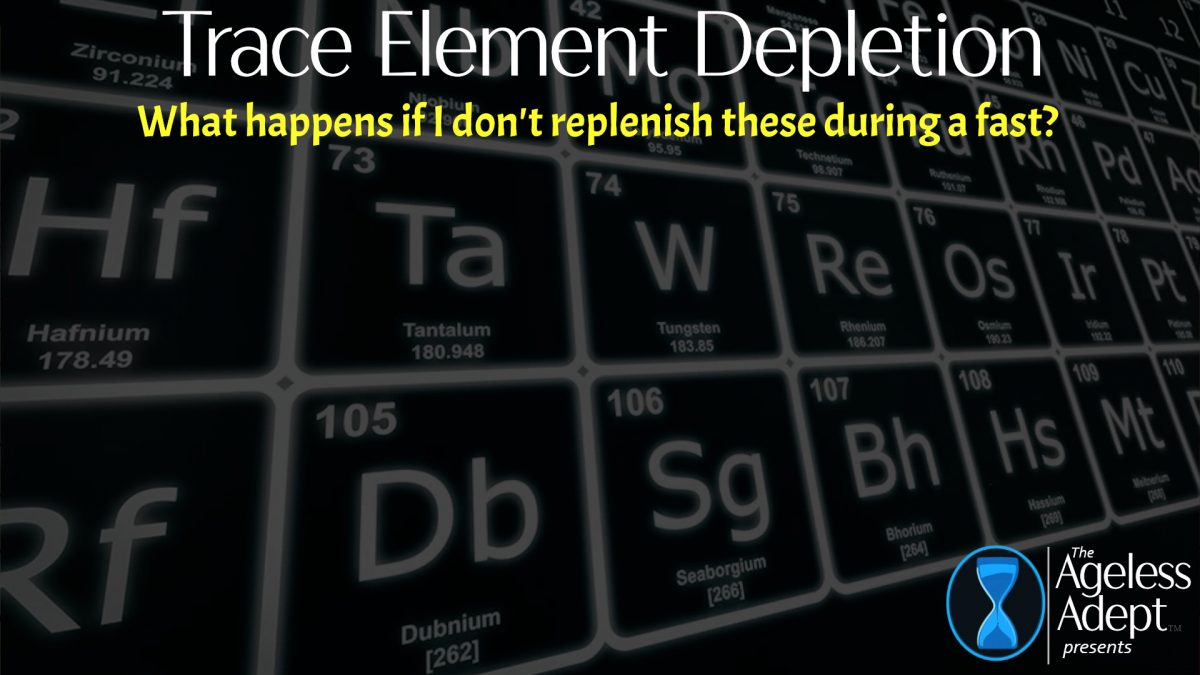
Quick Answer: Certain minerals like potassium, magnesium, phosphorus, zinc, and iodine require consistent intake because they are not stored efficiently and are rapidly depleted.
Which of these monitored trace elements (below) also act like calcium and selenium and may require daily intake (i.e., ending the fast in order to resume replenishment) for optimal health?
Calcium
Iron
Zinc
Selenium
Phosphorous
Potassium
Magnesium
Copper
Cobalt
Manganese
Iodine
Nickel
Fluorine
Molybdenum
Vanadium
Tin
Silicon
Strontium
Boron
 Trace Elements That Require Daily Intake (Like Calcium & Selenium)
Among the trace elements listed, the ones that behave similarly to calcium and selenium (i.e., require consistent dietary intake because they are not stored in significant reserves and/or have high turnover rates) include:
1. Essential Electrolytes & Structural Minerals (Daily Intake Required)
These minerals have limited body reserves and depend on consistent dietary intake:
-
Calcium 🦴 → Essential for bones, muscle function, and nerve transmission.
-
Potassium ⚡ → Rapidly lost through urine and sweat; crucial for nerve signals & heart rhythm.
-
Magnesium 🏋️ → Needed for over 300 enzymatic reactions; easily depleted under stress.
-
Phosphorus 🔋 → Required for ATP (energy) production, DNA, and bone health.
⏳ These minerals are not efficiently stored and must be replenished daily.
2. Essential Micronutrients That Require Steady Intake
These elements are involved in enzyme function, antioxidant defense, and metabolism but are not stored in large amounts:
-
Zinc 🛡️ → Key for immune function, wound healing, and hormone balance.
-
Copper ⚙️ → Required for iron metabolism, neurotransmitter function, and antioxidant defense.
-
Cobalt 🔵 → Component of Vitamin B12, important for red blood cell production.
-
Manganese 🔄 → Needed for cartilage formation, metabolism, and antioxidant systems.
-
Iodine 🌊 → Essential for thyroid hormone synthesis; depletion leads to hypothyroidism.
-
Molybdenum 🔬 → Needed for enzyme function in detoxification and metabolism.
-
Boron 🌿 → Supports bone health, testosterone levels, and brain function.
⏳ While some (like zinc & copper) have small reserves in the liver, others (like iodine & molybdenum) must be replenished frequently.
3. Less Critical for Immediate Replenishment
These elements are generally stored better or have slower turnover rates:
-
Iron 🩸 → Stored in ferritin; deficiency takes time to develop.
-
Nickel 🏗️ → Required in trace amounts; deficiency is rare.
-
Fluorine 🦷 → Mostly stored in teeth and bones; not required daily.
-
Vanadium ⚛️ → Minimal physiological role; long-term intake matters more.
-
Tin & Strontium 🔩 → Play minor roles in health.
-
Silicon 🏗️ → Important for collagen formation, but deficiencies develop slowly.
Conclusion: Should You End the Fast?
If you want to prioritize maintaining optimal health without prolonged depletion, resuming mineral-rich intake for calcium, potassium, magnesium, phosphorus, zinc, and iodine would be advisable.
However, if you’re comfortable with continued fasting, your body will prioritize mobilization of stored minerals for another day or two before depletion becomes critical.
Frequently Asked Questions
Which minerals must be replenished daily?
Electrolytes like potassium and magnesium require frequent intake due to ongoing losses through urine and sweat.
Can the body store trace elements long term?
Some minerals like iron are stored, but many trace elements have limited reserves and high turnover rates.
Is fasting risky for mineral depletion?
Extended fasting may deplete key minerals if not monitored or replenished appropriately.
A.I. Disclaimer
I encourage you to begin your own dialogue with AI to tailor recommendations to your specific needs. —The Ageless Adept
***
Save $$$ on Products I Use (Click Image to View All)
For discount coupon codes and direct links for some of unique health products I use, check out The Coupon Page —The Ageless Adept
***
-

Fast & Grow Young!
Price range: $6.49 through $16.95 Select options This product has multiple variants. The options may be chosen on the product page -

The Sun Cure by Herbert Shelton (FREE!)
Price range: $0.00 through $9.95 Select options This product has multiple variants. The options may be chosen on the product page -

Fast & Grow Young: REBOOT! (Created for use in the real world)
Price range: $3.49 through $5.95 Select options This product has multiple variants. The options may be chosen on the product page
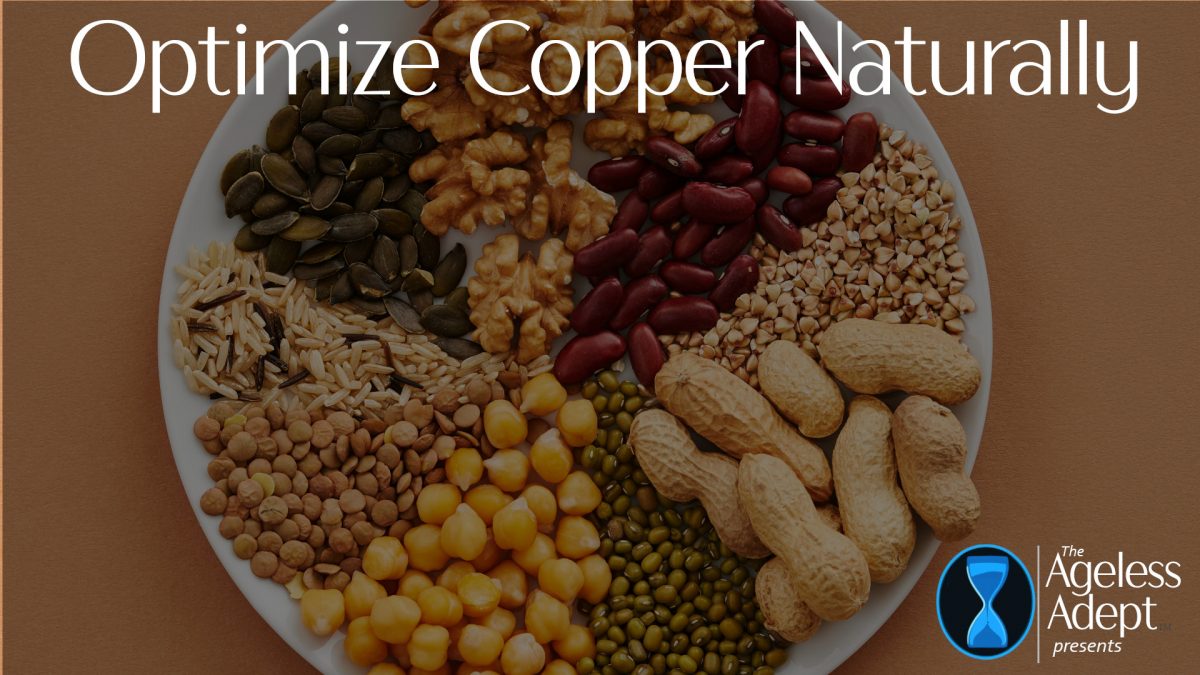
 To naturally increase, maintain, absorb, and optimally utilize copper levels in your body, consider the following dietary and lifestyle approaches: