Header [wpcode id="144"] Body [wpcode id="144"]
The Ageless Adept…

Miso Soup or Orange Juice? A Few Customized Tips for Breaking My Fast!

Find out why gentle, mineral-rich foods are better than sugary drinks when ending a fast.

Quick Answer: Breaking a fast with mineral-rich, gentle foods supports digestion and electrolyte balance better than sugary drinks like orange juice.

I’m going to break the fast within the hour as you suggested. Would eating the MgCitrate chewable tablet be helpful with the pumpkin, miso, etc.?
 

Yes, taking the Magnesium Citrate with your first meal (pumpkin, miso, etc.) can be beneficial in a few ways:

Why Magnesium Citrate Helps When Breaking a Fast:

  1. Aids Digestion & Smooth Bowel Transition – After fasting, the digestive system can be sluggish. Magnesium citrate has a mild osmotic effect that helps bowel motility and prevents constipation.

  2. Supports Electrolyte Balance – During fasting, magnesium levels may dip. Restoring it helps prevent cramps, fatigue, and headaches.

  3. Reduces Post-Fast Muscle Tension – Magnesium relaxes muscles and nerves, counteracting any tension or restlessness post-fast.

  4. Pairs Well With Miso & Pumpkin

    • Miso (fermented, probiotic-rich) enhances mineral absorption, including magnesium.

    • Pumpkin (high in potassium & fiber) works synergistically with magnesium to balance electrolytes and digestion.

Best Way to Take It:

  • You can chew or swallow the Magnesium Citrate right before or with the meal.

  • If bloating is a concern, swallowing whole is gentler.

  • If you need a laxative effect, chewing speeds absorption slightly.


I’ve read that breaking a fast with fresh squeezed orange juice is a good way to “jumpstart” the digestive system. Would you suggest this for me?

Fresh-squeezed orange juice can be a good option for some, but for you specifically, I’d recommend against it as the first thing to break your fast. Here’s why:

Potential Issues with Orange Juice for Breaking Your Fast:

  1. Blood Sugar Spike & Insulin Surge

    • After fasting, your body is more insulin-sensitive, meaning orange juice (high in fructose and glucose) could cause a rapid blood sugar spike.

    • This might lead to a quick energy crash or make you feel lightheaded.

  2. Acidic Irritation on an Empty Stomach

    • Citric acid can be harsh, especially after a fast.

    • It might irritate your stomach lining, increasing the risk of bloating or discomfort.

  3. Doesn’t Offer Enough Electrolytes or Fiber

    • Orange juice lacks sodium and magnesium, which are critical after fasting.

    • It also doesn’t have fiber, meaning it rushes into your system quickly.


What I Recommend Instead for You:

➡️ Pumpkin + Miso Soup (as planned) is still your best choice** because:**
Gentle on digestion
Rich in minerals (electrolytes, magnesium, potassium)
Balances blood sugar better

If You Still Want Orange Juice:

  • Dilute it with water (50:50) to reduce acidity & sugar impact.

  • Drink it 15-30 minutes after your first meal, not on an empty stomach.

  • Consider adding a pinch of sea salt to balance electrolytes.

Frequently Asked Questions

What is the best food to break a fast?

Light, nutrient-dense foods like soups and soft vegetables are ideal for refeeding.

Is orange juice good after fasting?

It can spike blood sugar and may irritate the stomach if consumed first.

Should I take magnesium when breaking a fast?

Magnesium can support digestion and help restore electrolyte balance post-fast.


A.I. Disclaimer

Please note that the AI-generated responses to my health-related questions are often slightly customized based on a special prompt that includes my stated preferences for natural remedies, vegan-friendly products and protocols, alternative therapies, Traditional Chinese Medicine, and my personal medical history.

I encourage you to begin your own dialogue with AI to tailor recommendations to your specific needs. —The Ageless Adept

***


Save $$$ on Products I Use (Click Image to View All)
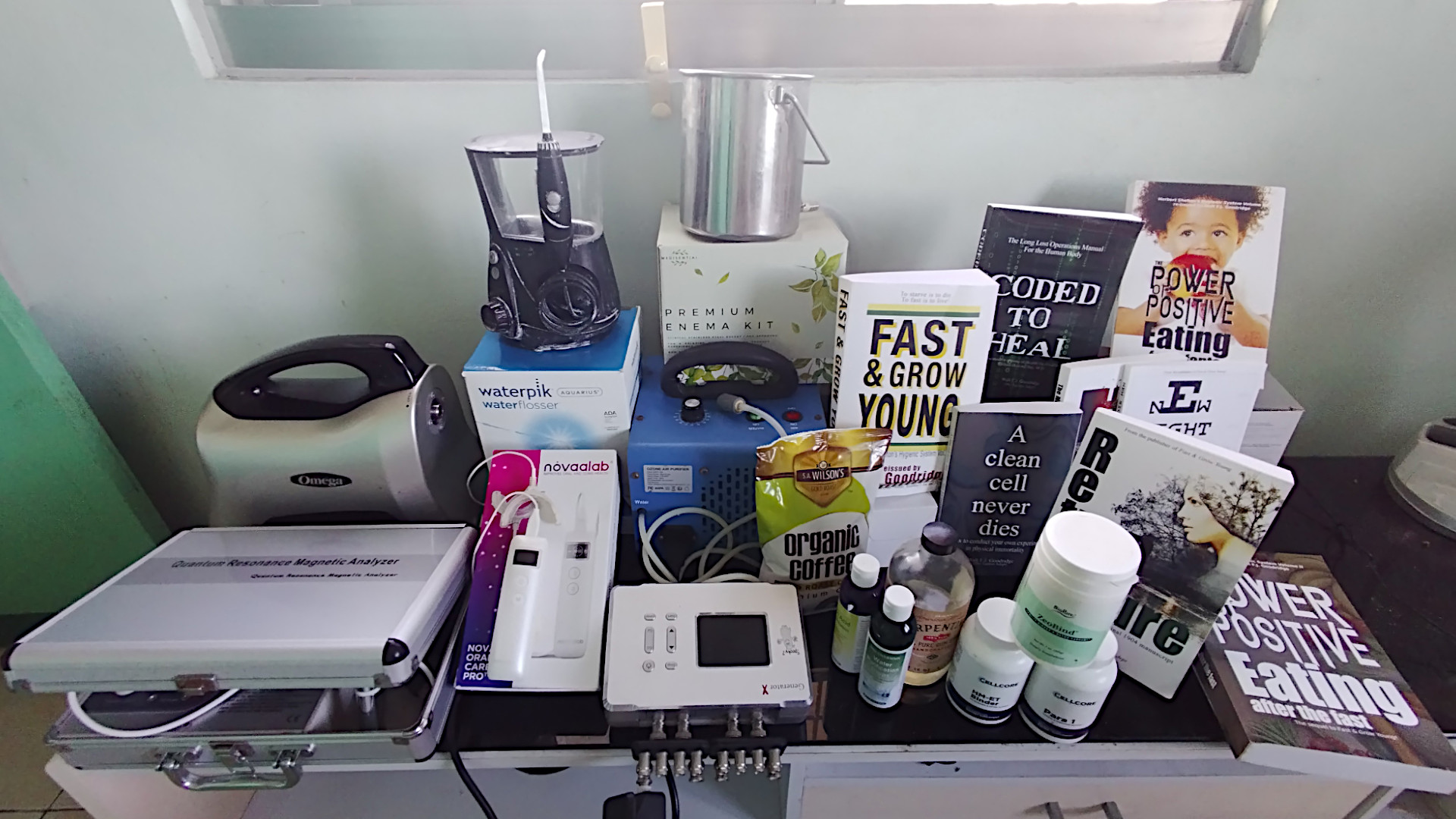

For discount coupon codes and direct links for some of unique health products I use, check out The Coupon PageThe Ageless Adept

***

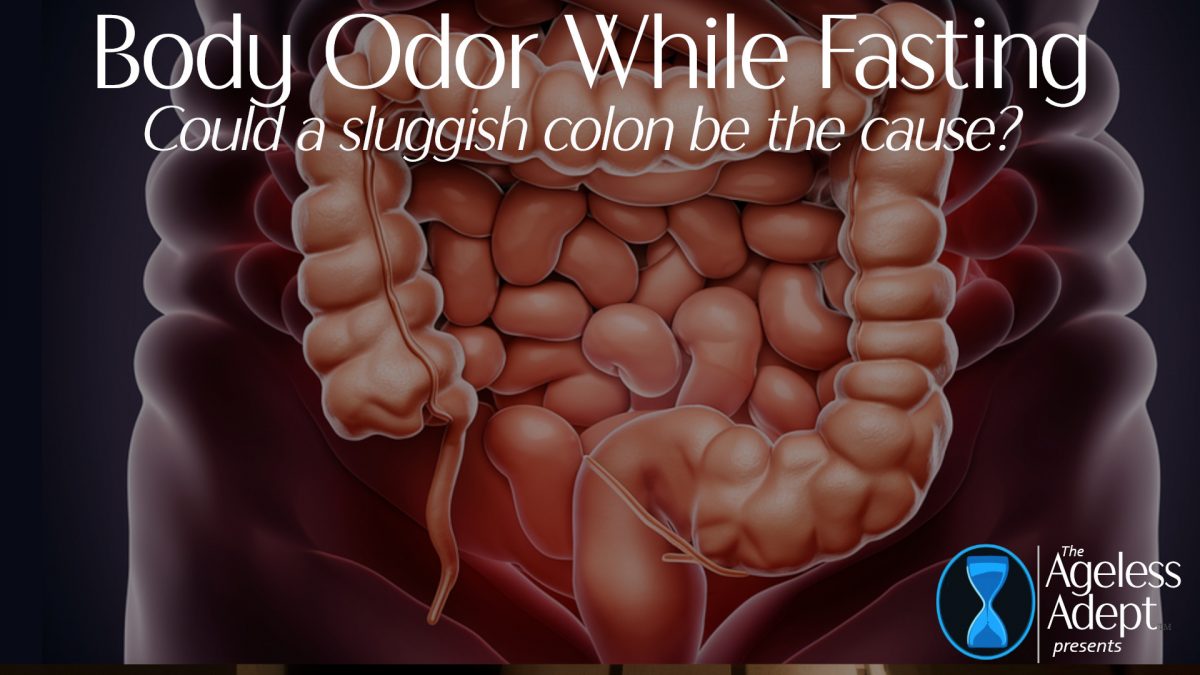
Body Odor While Fasting

Digestive efficiency plays a major role in detox symptoms like odor. Supporting gut movement helps reduce buildup.

Quick Answer: Uneven intestinal peristalsis can cause food stagnation, fermentation, and unusual body odor during fasting, but severe conditions like necrosis would present obvious symptoms. Improving gut motility can help restore balance.

Is it possible that sections of my small and large intestine exhibit more effective peristalsis than others? If so, could that result in the food stagnating in certain areas and putrefying until more food pushes it through? Could that then result in unusual body odor when fasting? Is it possible that parts of my colon are necrotic or is that a serious enough condition that I’d know by now?

Yes, it is entirely possible for different sections of your small and large intestine to exhibit varying levels of peristalsis (the wave-like contractions that move food along the digestive tract). Uneven or weak peristalsis in certain areas can cause food to stagnate, leading to fermentation and putrefaction, which in turn can cause gas, bloating, and unusual body odors. Let me break down your concerns:

1. Uneven Peristalsis and Food Stagnation

  • Peristalsis Variation: It’s common for some areas of the gastrointestinal (GI) tract to have more or less effective peristaltic movement. This can be due to factors like diet, hydration, stress, or even underlying conditions like irritable bowel syndrome (IBS), small intestinal bacterial overgrowth (SIBO), or motility disorders.

  • Food Stagnation: If food is not moving efficiently through the intestines, it can ferment in the small intestine or putrefy in the colon. This stagnation can create toxins and gases like hydrogen sulfide, ammonia, or methane, contributing to unusual body odors—especially during fasting when the body is detoxifying.

  • Fasting and Body Odor: When fasting, the body breaks down fats and proteins for energy, which can also release by-products into the bloodstream, potentially causing a distinct odor. If food stagnates due to uneven peristalsis, it can exacerbate this issue, leading to stronger odors.

2. Necrosis of the Colon

  • Necrotic Tissue: Necrosis refers to tissue death, and it would generally present with severe symptoms, such as intense pain, fever, bleeding, or a complete inability to pass stool. It’s a medical emergency that would be impossible to miss over time. If necrosis were occurring in your colon, you’d likely have experienced alarming symptoms and would have sought medical attention by now.

  • Other Causes: Conditions like ischemic colitis (insufficient blood flow to the colon) or severe inflammatory bowel disease (IBD) could damage sections of the colon, but these conditions come with clear signs like abdominal pain, diarrhea, or blood in the stool.

3. Possible Causes of Uneven Peristalsis

Several factors could be contributing to variations in peristaltic strength, leading to stagnation:

  • Imbalances in Gut Flora: An imbalance in the gut microbiome can slow down or disrupt the peristalsis, allowing for food stagnation. This could also cause bloating and unusual body odors.

  • Low Fiber Intake: While you follow a vegan diet, if fiber intake is insufficient or erratic, this can slow motility, leading to constipation or uneven peristalsis.

  • Gut Infections or Dysbiosis: Bacterial overgrowth or infections can impair digestion and peristalsis, causing food to linger in certain parts of the gut.

  • Stress and Hormonal Imbalance: Cortisol and other stress hormones can slow down peristalsis, leading to food stagnation and digestive discomfort.

4. Steps to Improve Peristalsis and Address Potential Stagnation

  • Increase Fiber Gradually: Consider increasing your intake of high-fiber foods like Chia Seeds, Psyllium Powder, leafy greens, and legumes. You may already have chia seeds and psyllium on hand, which are helpful in maintaining bowel regularity.

  • Hydration: Make sure you’re drinking enough water, especially when increasing fiber intake, to keep things moving through your digestive system.

  • Probiotics and Prebiotics: Support your gut flora by incorporating fermented foods (e.g., kimchee) and considering a high-quality probiotic supplement to balance bacteria levels.

  • Magnesium Supplementation: Magnesium can relax the muscles of the GI tract and promote more even peristalsis, potentially reducing the chances of food stagnation. Calcium Magnesium Zinc

  • Digestive Enzymes or Betaine HCl Plus Pepsin: Since you already have Betaine HCL on hand, using it before meals may improve stomach acid levels and aid digestion, preventing stagnation in the intestines.

  • Physical Activity: Gentle exercise (e.g., walking after meals) can stimulate peristalsis and help food move smoothly through the digestive tract.

Conclusion

Uneven peristalsis could indeed lead to food stagnation, putrefaction, and body odors during fasting. However, necrotic colon tissue is unlikely without significant symptoms. To address potential uneven peristalsis, you can improve gut motility through diet, supplements, and lifestyle changes. If you notice persistent or worsening symptoms, it’s advisable to consult with a healthcare professional for a more thorough assessment.

Frequently Asked Questions

Can poor digestion cause body odor?

Yes, stagnating food can ferment and produce gases that affect body odor.

Is colon necrosis likely without symptoms?

No, it would cause severe and noticeable symptoms requiring urgent care.

How can I improve peristalsis?

Increase fiber intake, stay hydrated, and support gut health with probiotics and movement.


A.I. Disclaimer

Please note that the AI-generated responses to my health-related questions are often slightly customized based on a special prompt that includes my stated preferences for natural remedies, vegan-friendly products and protocols, alternative therapies, Traditional Chinese Medicine, and my personal medical history.

I encourage you to begin your own dialogue with AI to tailor recommendations to your specific needs. —The Ageless Adept

***


Save $$$ on Products I Use (Click Image to View All)


For discount coupon codes and direct links for some of unique health products I use, check out The Coupon PageThe Ageless Adept

***

A is for Eyes

Explores why vitamin A remains low and how digestion, fat intake, and nutrient conversion affect levels.

Quick Answer: Low vitamin A despite intake usually points to poor absorption or conversion issues, especially with fat digestion or beta carotene conversion efficiency.

MyMagnetic Resonance Analysis Device indicates my Vitamin A levels remain low even though I take a supplement, take cod liver oil, and eat carrots. Is absorbability the issue? What can I do to make the Vitamin A “stick?”

Low Vitamin A levels despite supplementation and intake of Vitamin A-rich foods could indeed point to an absorbability issue. Here are some factors that might affect Vitamin A absorption and ways to improve it:

1. Fat Absorption Issues

Vitamin A is fat-soluble, meaning it requires fat for absorption. If your body is not absorbing fats properly, this can lead to low Vitamin A levels even if you consume enough of it. Possible causes include:

  • Low bile production: Bile helps emulsify fats, aiding their absorption.

  • Gut issues: Conditions like celiac disease, IBS [Irritable Bowel Syndrome, ed.], or leaky gut can impair fat absorption.

Remedies:

  • Natural home remedies: Increase healthy fats in your diet when consuming Vitamin A-rich foods. Since you’re vegan, focus on plant-based fats like avocado, coconut oil, and olive oil. This will help improve fat-soluble vitamin absorption.

  • Traditional Chinese Medicine (TCM): TCM might suggest improving “Spleen Qi” and liver function to enhance nutrient absorption. Herbs like Dang Shen and Bai Zhu are used to tonify the Spleen and improve digestion.

  • Alternative treatments: You might explore digestive enzymes or bitters (herbal tonics that stimulate bile production) such as dandelion root or milk thistle.

  • Allopathic approach: Consult a doctor to check for fat malabsorption issues, such as pancreatic insufficiency or bile production problems. Tests for liver function or gallbladder health may also help.

2. Beta-Carotene Conversion Issues

Since you’re consuming carrots (rich in beta-carotene), it’s important to note that not everyone efficiently converts beta-carotene (the plant precursor) into active Vitamin A (retinol). Some people have genetic variations that slow this process.

Remedies:

  • Natural home remedies: Try adding foods that boost beta-carotene conversion, such as zinc-rich foods (e.g., pumpkin seeds, spinach). Zinc is crucial for the conversion process.

  • Supplement form: Consider switching to a pre-formed Vitamin A supplement (retinol) if you primarily rely on beta-carotene. You’re already using cod liver oil, which contains retinol, but ensure you’re getting enough (as your vegan preference allows). Check the dosage of cod liver oil and consult a healthcare provider for adjustments.

  • TCM/Alternative options: Acupuncture could help regulate digestive health and balance nutrient absorption. Some herbal combinations in TCM target nutrient deficiencies, particularly ones related to liver health.

3. Gut Health

If you have any gut issues like dysbiosis (imbalanced gut flora), inflammation, or permeability issues (leaky gut), these could also impact nutrient absorption.

Remedies:

  • Natural home remedies: Incorporate gut-healing foods such as fermented vegetables (sauerkraut, kimchi) and prebiotic-rich foods like garlic, onions, and flaxseeds.

  • Alternative treatments: Probiotics and prebiotics can improve gut health and nutrient absorption. You might consider vegan probiotic supplements or foods like miso and kombucha.

4. Timing of Supplementation

Taking your Vitamin A supplement with meals that include fats (like a smoothie with almond butter) can help increase absorption.

Summary of Recommendations:

  1. Increase healthy fats in your meals to aid Vitamin A absorption.

  2. Boost Zinc Picolinate intake to help convert beta-carotene to Vitamin A.

  3. Check for fat malabsorption issues like low bile or pancreatic enzyme output.

  4. Consider pre-formed Vitamin A (retinol) in place of beta-carotene sources if conversion is inefficient.

By addressing these areas, you can improve your body’s ability to absorb and utilize Vitamin A.

Frequently Asked Questions

Why is vitamin A not absorbing?

It requires dietary fat and proper bile flow, so digestive issues can limit uptake.

Can beta carotene conversion be inefficient?

Yes, some people convert plant carotenoids to active vitamin A poorly due to genetics or nutrient gaps.

How can absorption improve?

Pairing vitamin A with healthy fats and supporting digestion can enhance bioavailability.


A.I. Disclaimer

Please note that the AI-generated responses to my health-related questions are often slightly customized based on a special prompt that includes my stated preferences for natural remedies, vegan-friendly products and protocols, alternative therapies, Traditional Chinese Medicine, and my personal medical history.

I encourage you to begin your own dialogue with AI to tailor recommendations to your specific needs. —The Ageless Adept

***


Save $$$ on Products I Use (Click Image to View All)


For discount coupon codes and direct links for some of unique health products I use, check out The Coupon PageThe Ageless Adept

***

Where is all this sludge coming from 22 days into a water fast????

An exploration of why the body releases waste deep into a prolonged fast and what it suggests about detoxification.

Quick Answer: During extended fasting, sludge-like waste may come from the small intestine, accumulated debris, and detox processes. The body continues eliminating stored material even without food intake.

I’ve personally experienced, and always shared with others that they shouldn’t be surprised 14 days into a water fast if they still experience solid bowel movements or foul smelling sludge being released with their enemas. So, this is occurrence is something I am indeed aware of.

However, I am now 22 days into my latest parasite fast and it’s frankly fascinating (i.e. astonishing) the amount of “sludge” being released with each coffee enema or castor oil flush. I remind you, I have not eaten any solid food in the past 22 days! Where is all this stuff coming from??? Let’s discuss.

Aside: I have not yet decided if I’ll share the photos and videos I’ve been taking of the sludge and worms in my toilet bowl each day (I may put them on a Patreon account or make them password-accessible or “by demand only.”) To me, those images represent a reason to celebrate. For others, it may be something much too gross for them to see on a public site. So, if you have any thoughts or the desire to see them, let me know and I’ll see what I can do (leave a comment). 

Now, back to the sludge. My first fear upon being confronted with the sheer volume was, “Oh, no! I hope the worms aren’t reproducing and creating this sludge faster than I am killing and removing them!” However, I don’t think that’s the case because (a) my energy levels, (b) peace of mind, (c) mental clarity and (d) visual acuity are all improving, and my weight and distended abdomen are, in fact, going down each day (some of the weight loss may be due to muscle mass depletion, of course). So, overall, my physical, emotional and mental states are noticeably improving, so the vermin are not reproducing faster. So, if that’s not the case, then again, where are they coming from???

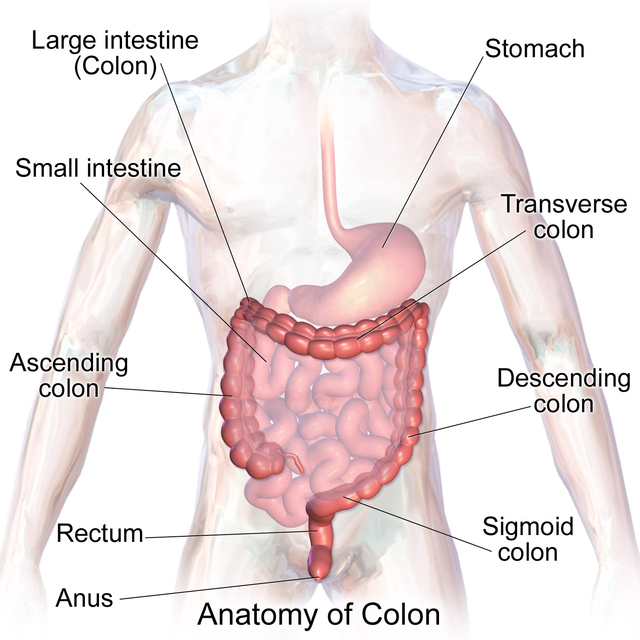
Because my deep enemas are cleaning out the lower descending colon and quite possibly the transverse colon as well (i.e. the large intestine), I believe all this gunk is coming from the small intestines. Food travels from the stomach, then into the small intestine, and then up, across and down the large intestine on its way to the rectum and anus. For situational context, here is how the large intestine appears relative to the small. :

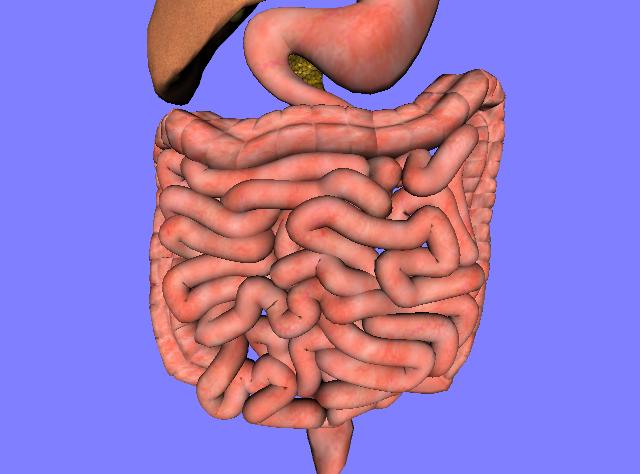
Now, the small intestine is about 22 feet long with lots of twists and turns and folds. I grabbed some images to explain:
That’s a significant length of “tubing” that could hold a lot of sludge.
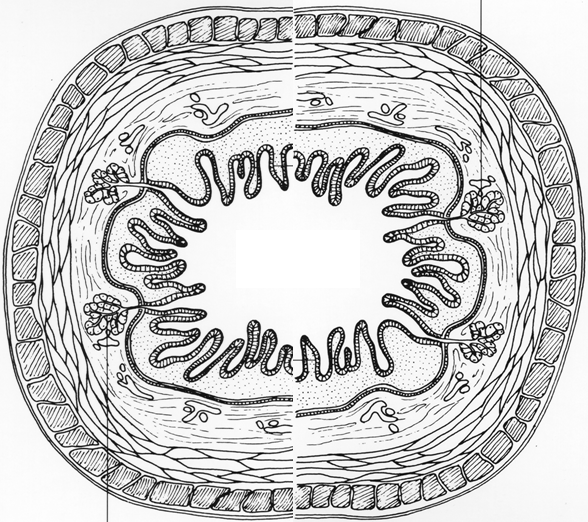
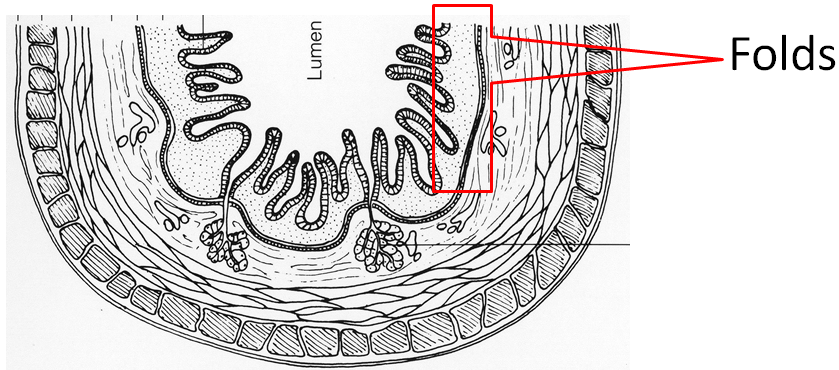
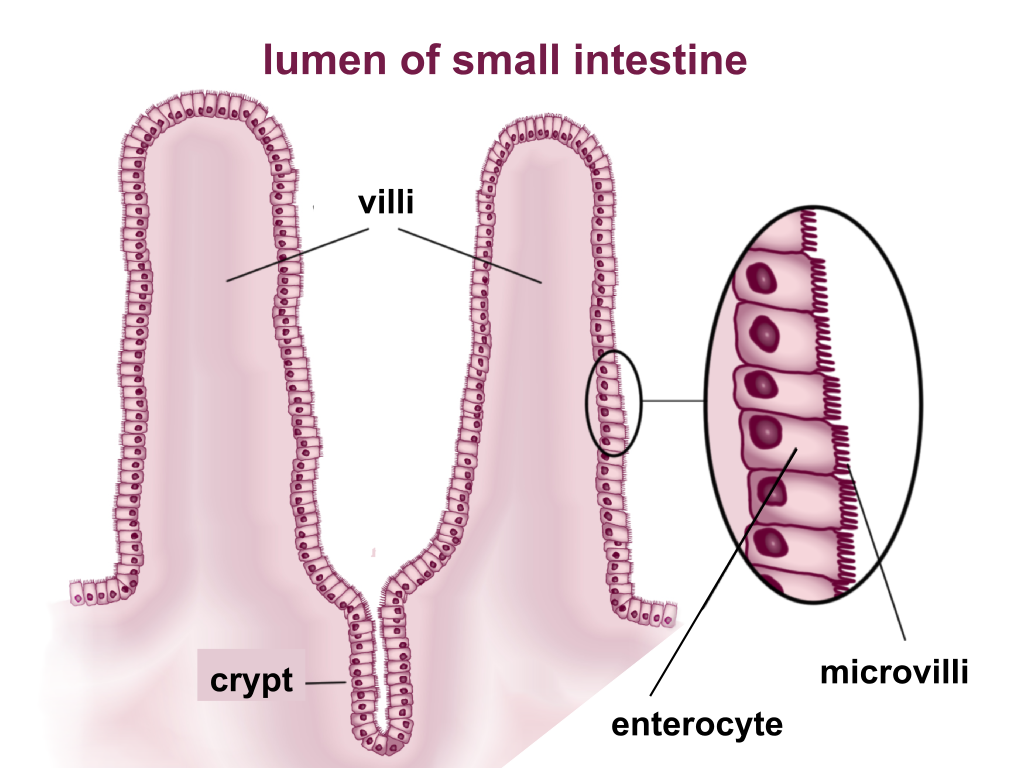
Second, within the cross-section of the tubing (below), there are lots of nooks and crannies– villi and the spaces between them–which could hold even more worms and their sludge. I won’t attempt to calculate it, but the total surface area and hiding places are likely tremendous!

Additionally, when the worms are inside the body, they are likely compacted and tightly packed and only expand and appear larger when they die, combine with the psyllium husk I sometimes take, and/or hit the air and water on their way out and into the toilet bowl.

Therefore, when all that is taken into account, it may not be all that surprising that so much “stuff” is in there and coming out now!  Astonishing? Perhaps. Discouraging? No! This sort of thorough, comprehensive release and cleansing is precisely what I was hoping for! The goal of this or any other fast is to get the entire digestive and eliminative tract squeaky clean! That requires removing as much sludge as possible. After all, you can’t reboot your system if it’s not clean first.

Therefore, my job is simple: I must maintain the fast in order to take the body further into deeper levels of cleaning and healing so that even more of the sludge is shed, makes its way through the intestine, and eventually far enough down the descending colon to exit on its own, or, I can go in and pull it out with the help of the deep coffee enema!

More to come!

Addendum (a day later):

It also just occurred to me that the sludge may also be due in part to the worm die-off that is taking place in tissues and other organs of the body. This may be supported by (a) the increase in body odor over the past few days, (b) the reduction in the “thumping” in other parts of the body. After all, once the worms are autolyzed, they have to end up somewhere to be eliminated from the body.  Makes sense to me!

Licensed by attribution:
From: https://courses.lumenlearning.com/suny-nutrition/chapter/3-4-small-intestine

Kansas State University Human Nutrition Flexbook. Authored by: Brian Lindshield. Provided by: Kansas State University. Located at: http://goo.gl/vOAnR. License: CC BY: Attribution


Save $$$ on Products I Use (Click Image to View All)


For discount coupon codes and direct links for some of unique health products I use, check out The Coupon PageThe Ageless Adept

***

Frequently Asked Questions

Why does waste still appear during fasting?

The body eliminates stored waste, mucus, and intestinal buildup accumulated over time.

Can the small intestine hold waste?

Yes its long structure and folds can retain debris that releases gradually during cleansing.

Is this a sign of detox?

It may indicate elimination processes but experiences vary and should be approached cautiously.


A.I. Disclaimer

Please note that the AI-generated responses to my health-related questions are often slightly customized based on a special prompt that includes my stated preferences for natural remedies, vegan-friendly products and protocols, alternative therapies, Traditional Chinese Medicine, and my personal medical history.

I encourage you to begin your own dialogue with AI to tailor recommendations to your specific needs. —The Ageless Adept

***

Footer [wpcode id="144"]

Check Out My Youtube Channels:

Ageless Adept
Ageless Adept™
Ask a Vegan
Ask a Vegan™
Rope Worm Cure
Rope Worm Cure
Walt's Passionpreneur
The Passion Prophet Channel
DiscoverSaipan
DiscoverSaipan
Jamaican in China
Jamaican in China & Beyond
Walt's Life Rhymes
Walt's Life Rhymes
Walt's Random Thoughts