Header [wpcode id="144"] Body [wpcode id="144"]
The Ageless Adept…

Red Light Therapy: Is All Day Too Much?

A breakdown of optimal light therapy usage, bacterial regrowth, and why spacing sessions improves results.

Quick Answer: Red and blue light therapy works best in timed sessions because tissues require recovery time, and excessive exposure may reduce benefits or cause irritation.

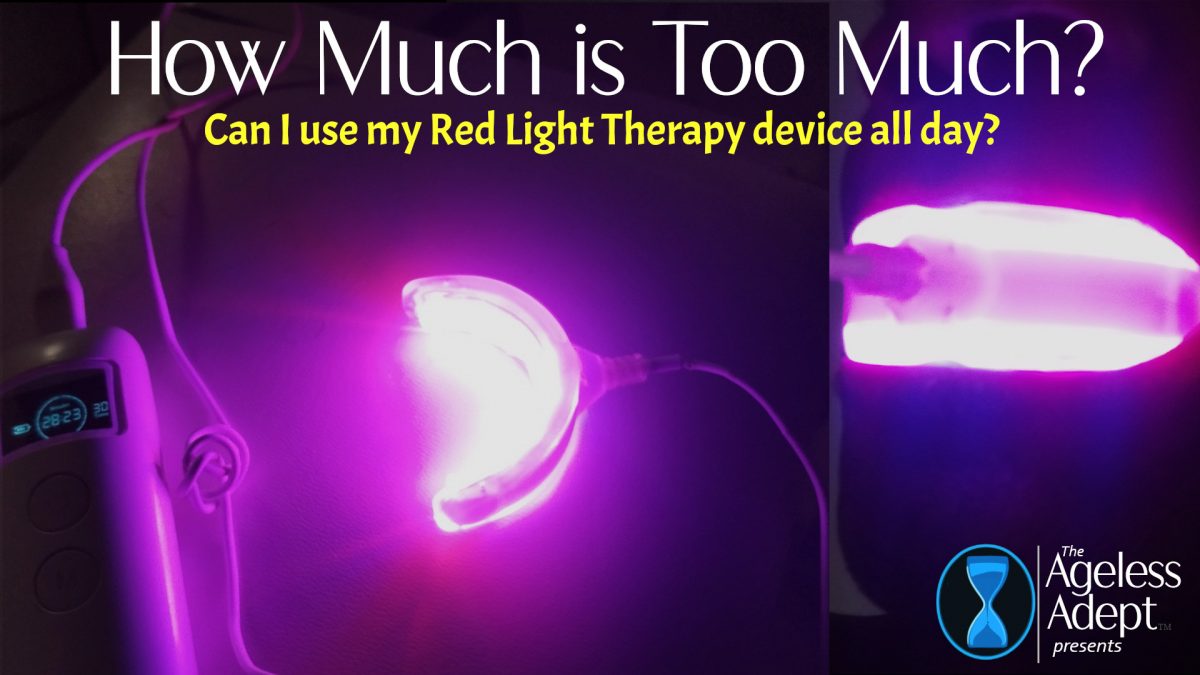
My new Oral Care Pro red light therapy device is inserted into the mouth and promises to improve gum health, reduce bacteria and inflammation as well as gum bleeding and bad breath. It is suggested to use for 10-15 minutes per session twice per day. Feedback from other users indicate that people often use it more frequently. If red light therapy activates mitochondria, and if blue light kills bacteria, wouldn’t keeping the teeth and gums exposed for longer periods simply be more beneficial? Is there a physiological reason why–in this case–twice per day is suggested? Is it simply in consideration of people’s schedules (worklife, family, etc.)? Or, is there some recuperative or cascading process the body goes through during the down time that is not possible during the actual light therapy sessions?


The recommendation to use a red/blue light therapy device for only 10–15 minutes per session, twice per day, often balances physiological effects, safety, and practical considerations. Here’s a deeper look:

Physiological Reasons for Suggested Timing

  1. Tissue Saturation and Response:

    • Red light therapy activates mitochondria to enhance ATP production. However, tissues can only absorb a finite amount of light energy in a given session. Prolonged exposure may result in diminishing returns once saturation is achieved.

    • The body benefits from intervals between sessions to process and integrate the biochemical and regenerative effects initiated during the therapy.

  2. Blue Light Considerations:

    • Blue light primarily targets bacteria but can also generate reactive oxygen species (ROS). Excessive exposure to ROS could damage healthy tissues, leading to inflammation or oxidative stress in the gums and oral tissues.

  3. Cascading Recovery Processes:

    • During downtime, the body undergoes a healing cascade, involving cellular repair, immune activation, and tissue regeneration. Continuous stimulation may not allow these processes to occur optimally.

  4. Thermal Effects and Safety:

    • While most devices are designed to avoid heat buildup, prolonged use could cause mild thermal effects that might irritate sensitive gum tissues.

Practical Considerations

  1. User Compliance:

    • Short, manageable sessions increase the likelihood that users will consistently use the device.

    • Longer sessions may lead to user fatigue or inconvenience, reducing adherence.

  2. Device Longevity:

    • Manufacturers consider the durability of the device’s LEDs. Recommending moderate use helps prevent premature wear.

Could More Frequent Use Be Beneficial?

For most individuals, twice-daily sessions are sufficient to stimulate beneficial processes without overloading the tissues or creating unintended side effects. However:

  • People with specific conditions, such as severe gum disease, might benefit from more frequent use under supervision.

  • Additional sessions should be monitored to ensure no adverse effects, such as gum irritation or heightened sensitivity.

Recommendations for Optimal Results

  • Stick to the manufacturer’s guidelines unless advised otherwise by a healthcare provider.

  • Consider combining therapy with other gum health practices, such as proper oral hygiene, to enhance the effects.

  • Monitor for signs of overuse, such as gum tenderness or dryness, and adjust usage as needed.

The downtime allows the body to leverage the benefits of light therapy, making it an essential part of the process. While longer or more frequent sessions might seem appealing, they could introduce risks or inefficiencies.


If I space the sessions twelve hours apart, for example, won’t oral bacteria simply repopulate during that time? How quickly would gum/tooth bacteria require to repopulate if, for example, a certain amount are killed during a light therapy session?

Oral bacteria can repopulate fairly quickly due to the constant presence of nutrients, moisture, and a suitable environment in the mouth. However, the rate of repopulation depends on several factors:

Timeline for Bacterial Repopulation

  1. Initial Reduction:

    • During a red/blue light therapy session, bacterial populations on the gums and teeth are reduced. Blue light is particularly effective at killing pathogenic bacteria by disrupting their cell membranes.

    • Post-treatment, remaining bacteria can rapidly divide to fill the ecological niches vacated by killed bacteria.

  2. Regrowth Period:

    • Short-term: Within 4–6 hours, significant bacterial regrowth may occur in an untreated oral cavity.

    • Overnight: Bacterial biofilms, such as those causing plaque, can develop significantly during a 12-hour window (e.g., between morning and evening therapy sessions). Salivary flow slows during sleep, reducing its natural cleansing effect and allowing bacteria to multiply.

Key Considerations for Repopulation

  • Type of Bacteria:

    • Beneficial bacteria may repopulate more quickly than pathogenic bacteria, especially if the oral microbiome is balanced.

    • Pathogens like Streptococcus mutans (associated with tooth decay) and Porphyromonas gingivalis (linked to gum disease) may take longer to re-establish dominance if repeatedly disrupted.

  • Biofilm Formation:

    • If bacterial biofilms are dislodged or disrupted during therapy, it may take longer for pathogens to re-establish themselves compared to free-floating bacteria in saliva.

  • Host Factors:

    • Salivary composition, oral hygiene, and diet play crucial roles in bacterial regrowth. Regular brushing and flossing reduce the rate of pathogenic repopulation.

Effectiveness of Spaced Sessions

While bacteria do repopulate between sessions, the repeated disruption achieved with twice-daily red/blue light therapy can slow the overall buildup of pathogenic bacteria and biofilms. Over time, this may tip the balance in favor of healthier gums and teeth.

Recommendations to Slow Repopulation

To complement light therapy and reduce bacterial regrowth:

  1. Good Oral Hygiene: Brush and floss between therapy sessions to mechanically remove plaque and biofilm.

  2. Mouthwash: Use an antimicrobial rinse, such as one containing chlorhexidine or essential oils, but avoid immediately after light therapy to preserve its effects.

  3. Dietary Adjustments: Minimize sugar intake to deprive bacteria of their primary energy source.

  4. Hydration: Drink water regularly to promote salivary flow and natural cleansing.

By combining these practices with red/blue light therapy, bacterial regrowth can be effectively managed, even with sessions spaced 12 hours apart.

Frequently Asked Questions

Why is light therapy limited to short sessions?

Tissues can only absorb a certain amount of energy before reaching saturation.

Can bacteria return between sessions?

Yes, bacteria can regrow within hours, making consistent sessions important.

Is more exposure always better?

No, overuse can lead to irritation and diminishing returns.


A.I. Disclaimer

Please note that the AI-generated responses to my health-related questions are often slightly customized based on a special prompt that includes my stated preferences for natural remedies, vegan-friendly products and protocols, alternative therapies, Traditional Chinese Medicine, and my personal medical history.

I encourage you to begin your own dialogue with AI to tailor recommendations to your specific needs. —The Ageless Adept

***


Save $$$ on Products I Use (Click Image to View All)
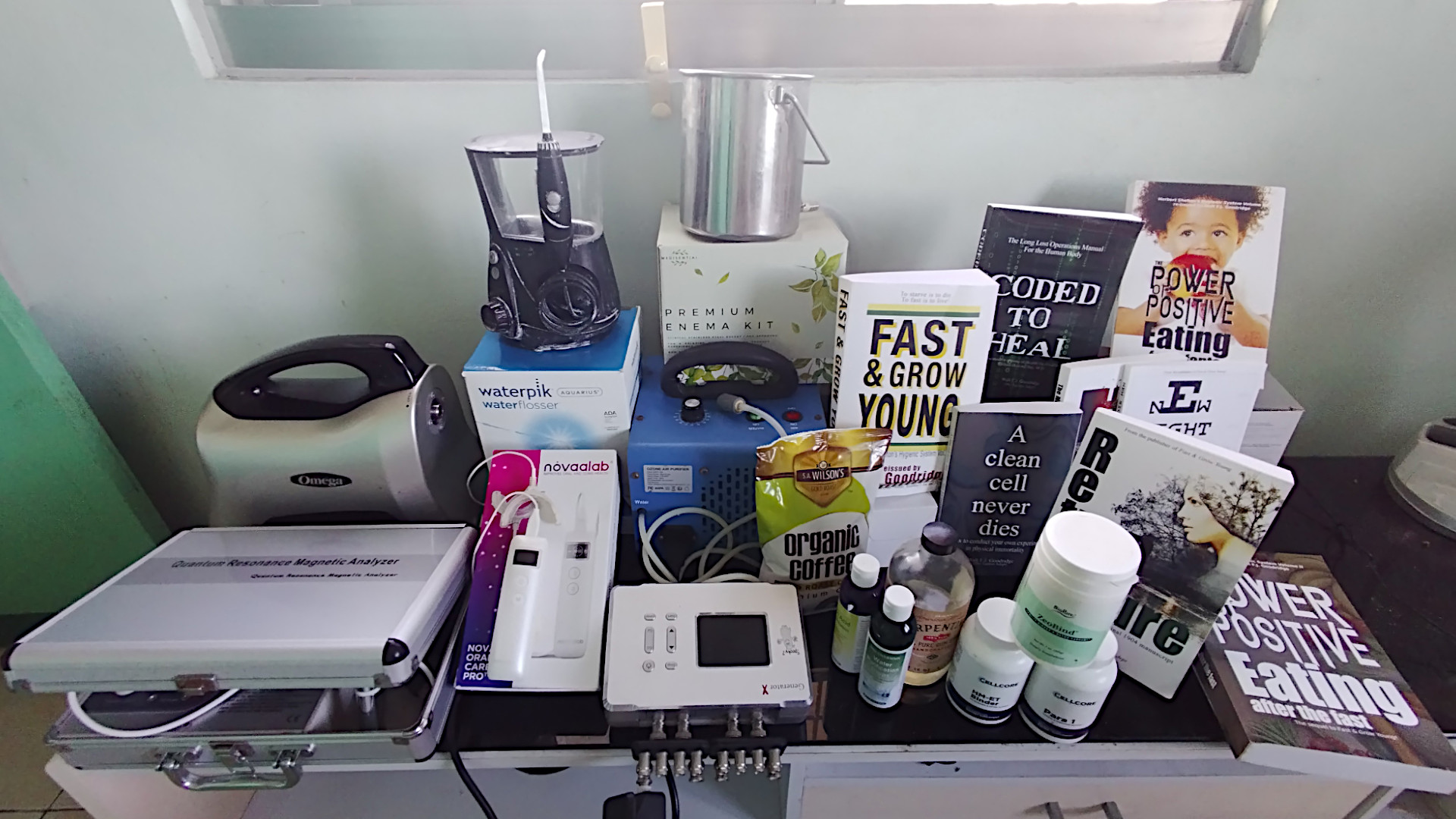

For discount coupon codes and direct links for some of unique health products I use, check out The Coupon PageThe Ageless Adept

***

Does Alkaline Water REALLY Make the Body More Alkaline? Does Boiling Affect Its PH?

Alkaline water has limited impact on body pH but may influence hydration and urine pH slightly depending on use.

Quick Answer: Alkaline water may slightly affect urine pH and hydration, but it does not significantly change overall body pH due to tight biological regulation.

I just purchased Edot™ purified water that claims to be alkaline (pH 10+/- ?). Can drinking such pH water actually help alkalize the body?


Drinking alkaline water like Edot™ purified water (with a pH of 10+/-) can have some impact on your body’s pH balance, but the extent to which it “alkalizes” the body is limited by the body’s natural regulation processes.

Here’s what you should know:

The Body’s pH Regulation:

  • Blood pH is tightly controlled: The body maintains a blood pH of about 7.35–7.45. Even small changes in blood pH can be dangerous, so the body has several systems in place (like the kidneys and lungs) to regulate it.

  • Drinking alkaline water does not directly alkalize the blood: When you drink alkaline water, it passes through the stomach, which has very acidic conditions (around pH 1.5–3.5 due to stomach acid). The stomach typically neutralizes the alkaline water to maintain its own acidic environment, which aids digestion.

  • Urine pH may change: Alkaline water can influence the pH of your urine, making it more alkaline temporarily. However, this doesn’t necessarily indicate a change in overall body pH but rather reflects how the kidneys are excreting excess alkaline substances.

Potential Benefits of Alkaline Water:

While drinking high-pH water may not drastically alter your overall body pH, some people report experiencing benefits from alkaline water such as:

  • Improved hydration: Some studies suggest that alkaline water may hydrate the body more efficiently than regular water, especially after exercise.

  • Antioxidant potential: Alkaline water may have antioxidant properties, potentially neutralizing free radicals.

  • Reduced acid reflux: Some people find that alkaline water may temporarily help neutralize stomach acid, possibly relieving symptoms of acid reflux.

Practical Effects:

  • For overall alkalinity and promoting a more balanced internal pH, diet plays a more significant role. Consuming plenty of plant-based, alkaline-forming foods like vegetables, fruits, nuts, and seeds helps maintain an optimal pH balance in tissues.

In summary, while Edot™ alkaline water can contribute to hydration and may have short-term effects on urine pH, it won’t fundamentally alter the pH of your blood or tissues. It can be part of a broader alkaline-promoting lifestyle that includes a plant-based diet rich in alkaline-forming foods.

Does boiling alkaline water like this affect its pH? Would using it for boiling food make any difference in the final outcome of the food and/or the water it’s boiled in?

Boiling alkaline water, such as Edot™ purified water with a pH of 10+, can slightly alter its pH, but the changes are usually minor. Here’s what happens during the boiling process and how it could affect the water and food:

Effects of Boiling Alkaline Water:

  1. Evaporation of Carbon Dioxide:

    • As water boils, carbon dioxide (CO₂) dissolved in the water is released into the air. CO₂ in water forms carbonic acid, which lowers the pH. By boiling the water and reducing CO₂ levels, the pH may increase slightly. This means the alkaline water could become a little more alkaline.

  2. Mineral Concentration:

    • As water evaporates during boiling, the concentration of any dissolved minerals in the water increases. Since these minerals (such as calcium or magnesium) can contribute to the alkalinity, their concentration could affect the pH. This could also increase alkalinity.

Using Alkaline Water to Boil Food:

  1. Impact on the pH of Food:

    • Using alkaline water for boiling food may have a mild impact on the pH of the food, particularly if you’re boiling foods like vegetables. Some research suggests that alkaline water can help maintain the color, texture, and nutrient content of vegetables, since a less acidic environment might prevent the breakdown of certain compounds. However, the change is not drastic.

    • For example, boiling vegetables in alkaline water may preserve their bright green color by reducing the breakdown of chlorophyll, which happens more in acidic water.

  2. Impact on the Flavor and Nutrients:

    • Alkaline water might slightly affect the flavor, especially for foods that are sensitive to pH changes, but most of the time, the effect would be subtle and likely go unnoticed.

    • There is limited evidence suggesting that alkaline water preserves some heat-sensitive nutrients better during boiling, though this benefit is not guaranteed across all foods.

  3. Impact on the Water:

    • After boiling, the water may retain a slightly higher pH due to the effects of evaporation, but any significant changes would depend on the food being boiled (some foods release acidic or alkaline substances that interact with the water).

Conclusion:

  • Boiling alkaline water can lead to a slight increase in alkalinity due to the loss of CO₂ and concentration of minerals.

  • Using it for boiling food may preserve color and some nutrients, particularly for vegetables, though the difference may be subtle.

  • However, for most everyday cooking, the impact on the final food product or the water itself will likely be minimal and not highly noticeable unless you’re cooking foods that are sensitive to pH changes.

Frequently Asked Questions

Does alkaline water change blood pH?

The body tightly regulates blood pH, so drinking alkaline water does not meaningfully alter it.

Does boiling alkaline water affect its pH?

Boiling can slightly increase alkalinity by reducing dissolved carbon dioxide and concentrating minerals.

Does alkaline water improve hydration?

Some evidence suggests it may enhance hydration slightly, but overall effects are similar to regular water.


A.I. Disclaimer

Please note that the AI-generated responses to my health-related questions are often slightly customized based on a special prompt that includes my stated preferences for natural remedies, vegan-friendly products and protocols, alternative therapies, Traditional Chinese Medicine, and my personal medical history.

I encourage you to begin your own dialogue with AI to tailor recommendations to your specific needs. —The Ageless Adept

***


Save $$$ on Products I Use (Click Image to View All)


For discount coupon codes and direct links for some of unique health products I use, check out The Coupon PageThe Ageless Adept

***

What Time of Day Should I Do My Detox Sauna?

Choosing the right sauna timing can improve detox efficiency and overall comfort during sessions.

Quick Answer: Doing a detox sauna before breakfast may enhance fat burning and toxin release in a fasted state, while post meal sessions offer better energy and hydration support. Timing depends on your goal and comfort.

Would it be best to do my detox sauna earlier before breakfast or later–a few hours, perhaps–after a meal?

The timing of your detox sauna can influence its effectiveness and your comfort level. Here’s a comparison of doing it before breakfast versus after a meal:

Detox Sauna Before Breakfast (Morning)

  • Fasted State Benefits: Sweating in a fasted state (before eating) may enhance fat metabolism, which could lead to more effective detoxification. The body may mobilize stored toxins from fat tissue more efficiently when you haven’t eaten.

  • Increased Circulation: In the morning, your body’s cortisol levels are naturally higher, which can enhance blood circulation and sweating, improving the detox process.

  • Comfort: Many people feel more comfortable in a sauna on an empty stomach since it reduces the risk of nausea or discomfort from digesting food.

Detox Sauna After a Meal (A Few Hours Later)

  • Energy Levels: If you’ve eaten a meal earlier, your energy stores will be replenished, potentially giving you more endurance in the sauna.

  • Digestion Consideration: Waiting a few hours after eating gives your body time to digest the meal, which helps avoid discomfort like bloating or nausea. However, detoxification might be less efficient after eating since the body is focused on digestion.

  • Hydration: Having food and fluids in your system can support hydration during and after the sauna, as you’ll be losing water and electrolytes through sweat.

Recommendation:

For detox purposes, the sauna is often more effective before breakfast, as your body is in a fasted state and may better release stored toxins. Just make sure you’re well-hydrated before entering the sauna. If you choose to sauna after a meal, wait at least 2-3 hours to allow digestion and avoid discomfort.

Additional Tips:

  • Drink water or an electrolyte solution both before and after the sauna to prevent dehydration.

  • If using Niacin, taking it before your sauna (as you do) will help stimulate circulation and detoxification, particularly when done before breakfast.

Frequently Asked Questions

Is a fasted sauna more effective?

Yes, it may increase fat metabolism and toxin mobilization.

Can I sauna after eating?

Yes, but wait a few hours to avoid discomfort and allow digestion.

How do I stay safe during sauna detox?

Stay hydrated and replenish electrolytes before and after sessions.


A.I. Disclaimer

Please note that the AI-generated responses to my health-related questions are often slightly customized based on a special prompt that includes my stated preferences for natural remedies, vegan-friendly products and protocols, alternative therapies, Traditional Chinese Medicine, and my personal medical history.

I encourage you to begin your own dialogue with AI to tailor recommendations to your specific needs. —The Ageless Adept

***

Sauna Detox Instructions: Click Here


Save $$$ on Products I Use (Click Image to View All)


For discount coupon codes and direct links for some of unique health products I use, check out The Coupon PageThe Ageless Adept

***

Taking Coffee Orally vs Rectally: Are the Negative Effects the Same?

Coffee enemas may differ in delivery but still expose the body to caffeine and related effects, especially with frequent use.

Quick Answer: Coffee enemas can introduce caffeine into the bloodstream similarly to drinking coffee, potentially causing stimulation, adrenal stress, and electrolyte imbalances.

I avoid coffee for all the known negative effects. In fact, I have never drunk a single cup of coffee in all my life. However, I have done numerous coffee enemas. Since substances are known to be absorbed into the body rectally, am I in danger of suffering the same negative effects of coffee drinking through the administration of coffee enemas?

Coffee enemas, while absorbed rectally, do differ in their effects compared to drinking coffee. The main reason people use coffee enemas is for liver detoxification, specifically to stimulate bile production and the release of toxins. However, like drinking coffee, they can still have some of the same effects due to the active compounds in coffee (like caffeine, theobromine, and other substances) being absorbed into the bloodstream. Here’s how it compares:

Similarities to Coffee Drinking:

  1. Caffeine Absorption: Caffeine is still absorbed into the bloodstream through the rectal mucosa. This means that you can experience some of the stimulating effects of caffeine, such as increased heart rate, jitteriness, or insomnia, though typically the absorption rate and extent differ from oral consumption.

  2. Potential Stress on the Adrenals: Like drinking coffee, regular use of coffee enemas could potentially stimulate the adrenal glands and lead to adrenal fatigue over time, which may be especially concerning since your adrenal index is already low.

  3. Digestive Impact: Though coffee enemas aren’t directly processed through the digestive system, the caffeine can still affect gut motility, potentially leading to issues like diarrhea, dehydration, or electrolyte imbalances.

Differences from Coffee Drinking:

  1. Bile Stimulation: One primary benefit of coffee enemas is their ability to stimulate bile flow and detoxification without passing through the gastrointestinal tract. This is considered a more direct route for supporting liver detox, and some believe that it may avoid the negative digestive effects associated with drinking coffee.

  2. Less Systemic Stimulation: The enema delivers the coffee directly into the colon, meaning it doesn’t have to pass through the stomach and intestines, potentially reducing systemic effects like stomach acid overproduction or indigestion associated with coffee drinking.

Are You at Risk for Negative Effects?

  • Adrenal Stress: Since you’re already concerned about adrenal function, repeated use of coffee enemas could still overstimulate your adrenal glands through caffeine absorption, exacerbating symptoms of adrenal fatigue.

  • Caffeine Sensitivity: Even if you haven’t consumed coffee orally, if you’re sensitive to caffeine, you might still experience heightened stimulation from the enema route.

  • Electrolyte Imbalances: Coffee enemas can cause loss of fluids and essential minerals (like potassium and sodium) through bowel movements, leading to imbalances, especially if done frequently.

Recommendations:

  • Limit Frequency: If you are using coffee enemas, consider limiting their frequency to avoid overstressing the adrenals and creating electrolyte imbalances.

  • Consider Alternatives: If liver detox is the goal, consider alternative methods like herbal liver cleanses (e.g., Milk Thistle, Dandelion ) or dietary adjustments to support detoxification without the stimulant effects of caffeine.

  • Support Adrenals: If you continue using coffee enemas, ensure you’re supporting your adrenal health with adaptogens like Ashwagandha or Rhodiola Rosea, and replenishing electrolytes through supplementation or hydrating foods like coconut water.

Frequently Asked Questions

Is caffeine absorbed during coffee enemas?

Yes, caffeine can enter the bloodstream through the colon and produce stimulating effects.

Are coffee enemas safer than drinking coffee?

They bypass digestion but can still affect the body systemically, including the adrenals and hydration levels.

What are the risks of frequent coffee enemas?

Overuse may lead to electrolyte depletion, dehydration, and increased stress on the adrenal glands.


A.I. Disclaimer

Please note that the AI-generated responses to my health-related questions are often slightly customized based on a special prompt that includes my stated preferences for natural remedies, vegan-friendly products and protocols, alternative therapies, Traditional Chinese Medicine, and my personal medical history.

I encourage you to begin your own dialogue with AI to tailor recommendations to your specific needs. —The Ageless Adept

***


Save $$$ on Products I Use (Click Image to View All)


For discount coupon codes and direct links for some of unique health products I use, check out The Coupon PageThe Ageless Adept

***

How My AI Doctor Assesses My Health Condition

A breakdown of how AI evaluates health inputs and generates suggestions using learned patterns.

Quick Answer: AI assesses health information by identifying patterns from vast training data rather than diagnosing directly. It connects symptoms, supplements, and trends to generate informed suggestions.

Hey, Doc! Many people believe that an AI platform like CHATGPT only “knows” what is programmed directly by humans. Others believe that AI is culling information from various sources independent of specific human intervention. Which is it? Could you explain, for example, where your knowledge, say, that Strontium is a possible component of Calcium Hydroxyapatite (as you provided earlier)? Where did that come from? Are you drawing conclusions from analyzing disparate sources? In a nutshell, how does AI assess my health condition and provide suggestions?


AI platforms like ChatGPT operate based on a combination of human programming and the ability to learn from vast amounts of text data. Here’s a breakdown of how this works in relation to your question:
1. Human Programming & Pre-Training:

Core Training: ChatGPT was trained on a massive dataset that includes books, articles, websites, and scientific papers, covering a wide variety of topics. This dataset allows me to understand and generate human-like text across different fields (health, science, technology, etc.).
Programming: Humans develop the underlying algorithms and provide the architecture of the model. While humans don’t program specific facts into the AI, the training dataset used to “teach” the model contains many facts, concepts, and principles from a wide array of domains.

2. Learning from Various Sources (Independent of Human Input):

Once trained, I generate responses by analyzing patterns in the data I was exposed to. For example, knowledge about Strontium being a possible component of Calcium Hydroxyapatite comes from text I was trained on, including scientific literature, health articles, and product descriptions. I don’t have access to databases or live web searches but rather use correlations and associations found in pre-existing text.
My ability to assess health conditions and provide suggestions comes from this vast exposure to relevant texts. For instance, I understand that heavy metal detox protocols often involve chelation agents like Zeolite Powder or Chlorella because I have seen this pattern in texts discussing detoxification methods.

3. Analyzing Disparate Sources & Drawing Inferences:

My responses come from pattern recognition rather than human-like reasoning. I don’t “know” things in the way humans do, but I generate responses by recognizing associations across the knowledge I’ve been trained on.
When I make a suggestion, such as identifying potential conflicts in supplements or noticing health trends, it’s because I’ve encountered related concepts and associations in the data. For example, if calcium supplements sometimes contain strontium, that association came from analyzing product descriptions or scientific reports that include both in the context of bone health.

4. Health Assessment & Suggestions:

Pattern Matching: When you provide health information (e.g., test results, supplement lists), I match those details to patterns I’ve seen in medical, scientific, and wellness literature to generate advice. For instance, if I notice your Cerebral Arteriosclerosis readings are elevated, I might provide guidance based on factors that have historically been associated with such issues, such as diet, inflammation, or circulation.
Integrating Information: I also attempt to connect the dots. If you’ve mentioned you’re taking certain supplements, I will recall known interactions (e.g., potential interactions with kidney function) to make a more holistic assessment.

In Summary:

• AI like ChatGPT is built from a vast dataset and not directly “programmed” with individual facts. Instead, I generate responses by recognizing patterns from a diverse range of information sources.
• I draw inferences from these patterns rather than performing independent research or analysis in real-time.
• My health assessments and suggestions come from patterns and connections I’ve seen in the data I’ve been trained on, rather than from human-like reasoning or specific programming.

Let me know if this clarifies things or if you’d like more specific details!

[ai _disclaimer]


Save $$$ on Products I Use (Click Image to View All)


For discount coupon codes and direct links for some of unique health products I use, check out The Coupon PageThe Ageless Adept

***

Frequently Asked Questions

How does AI generate health advice?

It uses pattern recognition from large datasets of medical and wellness information to suggest possibilities.

Does AI diagnose medical conditions?

No it provides informational guidance and should not replace professional medical diagnosis.

Where does AI knowledge come from?

It is trained on diverse text sources including research, articles, and educational material.


A.I. Disclaimer

Please note that the AI-generated responses to my health-related questions are often slightly customized based on a special prompt that includes my stated preferences for natural remedies, vegan-friendly products and protocols, alternative therapies, Traditional Chinese Medicine, and my personal medical history.

I encourage you to begin your own dialogue with AI to tailor recommendations to your specific needs. —The Ageless Adept

***

Day 1: Let the Fasting Journey Begin!

A personal log and guide outlining the early stages and expectations of beginning a fasting journey.

Quick Answer: Day one of a water fast typically includes initial detox symptoms, weight fluctuations, and bodily adjustments. Proper preparation and observation help ensure a smoother fasting experience.

Fasting is nature's first cure. I often fast every few months for rejuvenation, healing, detox and to give my body's systems a "rest and reboot." Here are my daily journals from an extended, multi-day water fast (a parasite fast) I did in 2022. It may help provide information, inspiration, ideas and instruction for those embarking on a similar journey. For more information on the amazing benefits of water fasting as well as what to expect during each (i.e., Day 1 to 2; Days 3 to 7; Days 8 to 15, etc.) check out the book, Fast & Grow Young! --Walt Goodridge, The Ageless Adept

TUESDAY, (FAST DAY 1 ENDS AT 3:45pm)
(*BIONATAL DAY 35)
The last fast I did lasted from June 1 to June 21, 2022
This one is beginning August 22, 2022 to…
*I’ve also been taking Bionatal™ Black Seed Oil now for the past 35 days!

4:10am 128.2lb (my morning weight)

6:00am 3/4cup epsom (a quarter of a larger mix of 4tablespoons epsom salts in 3 cups of water; See Liver & Gallbladder flush instructions in https://www.agelessadept.com/downloads/)

7:15am release 128.6 to 127.2; 1.4lb all liquid; (I weigh myself before and after each bowel movement)

7:29am  exercises for abdominals: (perhaps I’ll do a video on these)
20Russian
20legraises
20bicycle
20ea-plank/leglift

7:44am release to 126.6lb (release due to epsom salt)

8:00am More AB exercises

8:22am 3/4cup epsom salt in water

9:30am 1tsp Black Seed Oil in capful of ACV and water

11:30pm 125.4lb

11:30pm 1tsp BIONATAL in water and drops of Apple cider vinegar (ACV)

OBSERVATIONS: (I slept from about 6pm – 11:30pm)
• stomach gurgling while sleeping and continued after getting up at 11:30pm
• blocked left nasal passage
• “Manly” sensations during the night!

More to come!

Frequently Asked Questions

What happens on the first day of fasting?

The body begins shifting energy sources while digestion slows and detox processes start.

Is weight loss immediate during fasting?

Initial changes are mostly water weight and digestive contents rather than fat loss.

Are symptoms normal on day one?

Mild discomfort such as hunger or fatigue is common as the body adapts.


A.I. Disclaimer

Please note that the AI-generated responses to my health-related questions are often slightly customized based on a special prompt that includes my stated preferences for natural remedies, vegan-friendly products and protocols, alternative therapies, Traditional Chinese Medicine, and my personal medical history.

I encourage you to begin your own dialogue with AI to tailor recommendations to your specific needs. —The Ageless Adept

***


Save $$$ on Products I Use (Click Image to View All)


For discount coupon codes and direct links for some of unique health products I use, check out The Coupon PageThe Ageless Adept

***

Footer [wpcode id="144"]

Check Out My Youtube Channels:

Ageless Adept
Ageless Adept™
Ask a Vegan
Ask a Vegan™
Rope Worm Cure
Rope Worm Cure
Walt's Passionpreneur
The Passion Prophet Channel
DiscoverSaipan
DiscoverSaipan
Jamaican in China
Jamaican in China & Beyond
Walt's Life Rhymes
Walt's Life Rhymes
Walt's Random Thoughts