

Header [wpcode id="144"] Body [wpcode id="144"]
The Ageless Adept…

Is Dr. Bronner’s Soap Causing My Inflamed Scalp?

If scalp irritation continues after removing topical triggers, systemic causes like diet or inflammation may be responsible.

Quick Answer: Persistent scalp inflammation is more likely linked to systemic factors like diet, contaminants, or inflammation rather than topical soap use alone.

I believed that my sensitive scalp (hurt to the touch/scratch in some places) might have been caused by consistent years-long use of Dr. Bronner’s liquid soap. However, after stopping its use for a week or more (and using only water), the situation continued, and may have even intensified. Nothing else touches my scalp other than reverse osmosis water.

• daily consumption of 2/3cup of jasmine rice (boiled with Korean grape seed oil and pink salt)
• mushrooms from China
• stir fried local veggies (chopped bitter melon, okra, eggplant, string beans, pumpkin)

If this situation is not simply a localized, topical irritation due to bacteria or toxin, which of the following foods—consumed almost daily—are most to least likely to be the cause?

Given your situation — a scalp sensitivity that persisted or worsened after eliminating Dr. Bronner’s and using only RO water — we should think in terms of systemic causes rather than purely topical irritation.

Your “almost daily” food list has some potential triggers, but their likelihood depends on how they interact with inflammation, circulation, and immune reactivity.


Most to least likely (based on scalp sensitivity potential)

1. Mushrooms from Chinamost likely

  • Why: Mushrooms are generally healthy, but when imported from certain regions (including some parts of China), they may contain heavy metals, pesticide residues, or mycotoxins due to soil contamination.

  • Possible link: These contaminants can trigger low-grade systemic inflammation, sometimes manifesting in skin/scalp hypersensitivity or neuropathic-like discomfort.


2. Jasmine rice (with grape seed oil and pink salt)

  • Why:

    • Rice (especially from certain growing regions) can contain arsenic or cadmium; chronic exposure can cause nerve hypersensitivity or inflammatory responses in skin.

    • Korean grape seed oil may be fine if fresh, but if slightly oxidized, it can produce inflammatory lipid peroxides.

  • Possible link: If your rice source is high in contaminants or if the oil is even mildly rancid, it could contribute to systemic irritation.


3. Stir-fried local veggies (bitter melon, okra, eggplant, string beans, pumpkin)least likely

  • Why: These are nutrient-rich and generally anti-inflammatory.

  • Exception: Bitter melon and eggplant are in plant families that can be mildly irritating for some with nightshade sensitivity (especially eggplant), but this is rare and usually causes joint or digestive symptoms before scalp tenderness.


Mechanism for scalp pain

Scalp tenderness to the touch is often due to:

  • Inflammation of hair follicles or small blood vessels

  • Nerve hypersensitivity due to systemic toxins or oxidative stress

  • Poor microcirculation causing localized buildup of inflammatory mediators

Frequently Asked Questions

Can soap cause long-term scalp sensitivity?

Harsh soaps can irritate the scalp, but symptoms usually improve after discontinuation unless another underlying factor is involved.

Which foods may trigger scalp inflammation?

Foods contaminated with heavy metals or oxidized oils may contribute to systemic inflammation that affects the scalp.

Why does scalp pain feel sensitive to touch?

Inflammation of hair follicles or nerve endings can make the scalp tender and reactive to even light pressure.


A.I. Disclaimer

Please note that the AI-generated responses to my health-related questions are often slightly customized based on a special prompt that includes my stated preferences for natural remedies, vegan-friendly products and protocols, alternative therapies, Traditional Chinese Medicine, and my personal medical history.

I encourage you to begin your own dialogue with AI to tailor recommendations to your specific needs. —The Ageless Adept

***


Save $$$ on Products I Use (Click Image to View All)
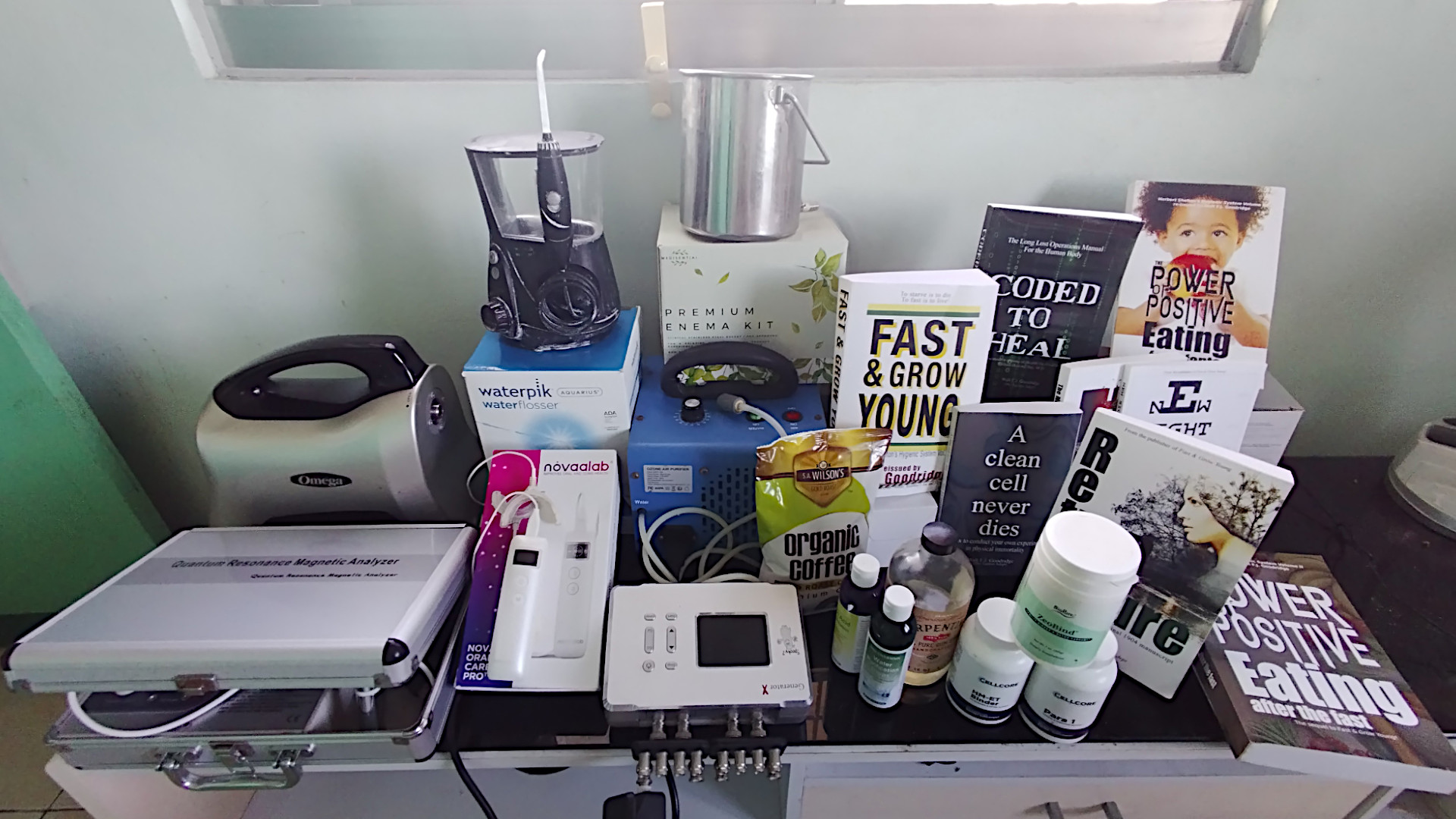

For discount coupon codes and direct links for some of unique health products I use, check out The Coupon PageThe Ageless Adept

***


I Hate My Neighbor!

Everyday environmental exposures from neighbors and surroundings can influence toxin readings and overall health.

Quick Answer: Environmental factors like secondhand smoke, nearby pollution, and electronic devices may influence toxin and radiation readings, though interpretations vary.

Okay, I don’t actually hate him. Here’s the story:

Here is my Human Toxin analysis from my Magnetic Resonance Analysis Device. There’ve been times when the “Stimulating Beverage” reading has been higher than normal even though I don’t ever drink alcohol or coffee, I only drink lemonade (lemons, spring water, organic maple syrup and a dash of cayenne), almond milk (with grapenuts cereal) and coconut water. What substances might be causing a “stimulating beverage effect?” Also, would the cell phones of my neighbors in the apartment next to me and below me affect my “Electromagnetic Radiation” readings? Also, I live on the second floor of an apartment building.  I can smell my neighbor’s cigarette smoke whenever he’s outside on the main floor. Can this raise my Tobacco/Nicotine index?

Stimulating Beverage (Normal: 0.209 – 0.751) Mine: 0.220
Electromagnetic Radiation (Normal: 0.046 – 0.167) Mine: 0.396
Tobacco / Nicotine (Normal: 0.124 – 0.453)Mine: 0.443
Toxic Pesticide Residue (Normal: 0.013 – 0.313) Mine: 0.404

Let’s break down each of the issues you’re addressing:

1. Stimulating Beverage Reading

Even though you don’t consume coffee or alcohol, other substances or factors might trigger this reading:

  • Caffeine from hidden sources: Some teas, supplements, or even chocolate (if consumed) contain small amounts of caffeine, which could cause a slight stimulating beverage effect.

  • Cayenne Pepper: Although typically used as a natural remedy, the small amount of cayenne in your lemonade might be seen as stimulating due to its capsaicin content, which can increase circulation and metabolism, having a stimulating effect.

  • Almond Milk (processed): If you use commercially produced almond milk, it may contain additives like preservatives or stabilizers, which could potentially contribute to this reading.

2. Electromagnetic Radiation Reading

It is quite possible that your proximity to cell phones, Wi-Fi routers, or other electronic devices (even those of neighbors) could influence your “Electromagnetic Radiation” readings. Since you’re in an apartment, several factors could contribute:

  • Neighboring Devices: Cell phones, Wi-Fi routers, and other electronic devices in nearby apartments can increase your exposure, especially if walls are thin or devices are close to shared walls.

  • Second-floor positioning: Living on the second floor might expose you to additional radiation from devices in the apartment below or from outdoor sources like cellphone towers, nearby radio signals, or electrical wiring in the building.

  • Personal Exposure: If you use electronics frequently, your own devices, such as your phone, computer, or microwave, could also be contributing to this reading.

3. Tobacco/Nicotine Reading

Yes, your neighbor’s cigarette smoke could potentially be affecting your readings. Even though you aren’t directly smoking, secondhand smoke can carry nicotine and other chemicals that might raise your Tobacco/Nicotine index. Here’s how:

  • Inhalation of secondhand smoke: Cigarette smoke contains nicotine and other volatile chemicals that can seep through open windows, doors, or shared ventilation systems.

  • Toxins settling indoors: Cigarette smoke can deposit residues on surfaces and in the air, which may cause higher readings for tobacco-related compounds even if you’re not the one smoking.

4. Toxic Pesticide Residue

This reading is slightly elevated as well. Pesticides can come from:

  • Contaminated produce: Even organic products can have traces of pesticide residue if grown near non-organic farms or during transportation.

  • Environmental exposure: Living in an apartment building might mean occasional exposure to pest control measures or other chemicals used in the surrounding area, which could be raising this reading.

In summary:

  • The cayenne pepper and possibly almond milk additives may be slightly contributing to your stimulating beverage reading.

  • Electromagnetic radiation from your neighbors’ devices could affect your readings due to close proximity, and possibly your own devices as well.

  • The tobacco/nicotine reading is likely from secondhand smoke exposure from your neighbor.

Speaking of neighbors, there’s a Shell gas station less than a city block from my house. Could that be the cause of heavy metals in my system?

It’s possible that living close to a Shell gas station could be contributing to elevated levels of certain heavy metals in your system. Here’s how that might happen:

1. Lead (Pb)

Gas stations, especially older ones, could be a source of lead contamination, even though leaded gasoline has been phased out in most countries. Soil contamination around gas stations can still harbor residual lead from past emissions. This contamination can linger for years and potentially affect nearby environments through dust or groundwater.

2. Mercury (Hg)

Mercury is less directly associated with gas stations but can come from industrial emissions and coal combustion that settle in soil and water. However, the mercury reading you provided is relatively low and within normal range, so it may not be a concern in this case.

3. Cadmium (Cd)

Cadmium is another metal that can be found in the environment due to industrial processes, including fossil fuel combustion and vehicle emissions. Gas stations might contribute to cadmium exposure via exhaust and nearby soil contamination. Given that your cadmium reading is close to the upper limit, this could be relevant.

4. Chromium (Cr)

Chromium levels could be affected by industrial activities, including vehicle emissions. However, gas stations are not typically significant sources of chromium exposure, though nearby traffic and exhaust fumes could contribute.

5. Arsenic (As)

Arsenic can leach into soil and water from industrial processes, and while gas stations aren’t a common source of arsenic, groundwater contamination near fuel stations could potentially lead to trace exposure. Your arsenic reading is on the higher side of normal.

6. Antimony (Sb)

Antimony can be found in brake dust and vehicle exhaust, so living near a high-traffic area or gas station may contribute to its presence in the environment. While your antimony reading isn’t high, living near a gas station may contribute to exposure.

7. Thallium (Tl)

Thallium is relatively rare but can be associated with industrial pollution. While gas stations are not direct sources, traffic exhaust and airborne pollution from vehicles may increase thallium exposure. Your thallium reading is above the normal range, suggesting a potential source of environmental exposure, which could include nearby traffic or industrial emissions.

Conclusion

Living near a gas station and possibly a high-traffic area may expose you to elevated levels of heavy metals such as lead, cadmium, and thallium. Soil contamination, exhaust fumes, and airborne pollutants from vehicles are all plausible sources. To reduce exposure:

  • Use air purifiers indoors to filter out airborne pollutants.

  • Ensure windows and doors are sealed, especially during heavy traffic hours.

  • If possible, avoid drinking tap water unless it’s filtered, as groundwater near the station could carry contaminants.

Frequently Asked Questions

Can secondhand smoke affect toxin readings?

Yes, exposure to cigarette smoke can increase detectable nicotine related compounds.

Do nearby devices increase electromagnetic exposure?

Electronic devices from neighbors can contribute to overall exposure in shared living spaces.

Can living near a gas station affect health?

Proximity to fuel stations and traffic may increase exposure to pollutants and trace heavy metals.


A.I. Disclaimer

Please note that the AI-generated responses to my health-related questions are often slightly customized based on a special prompt that includes my stated preferences for natural remedies, vegan-friendly products and protocols, alternative therapies, Traditional Chinese Medicine, and my personal medical history.

I encourage you to begin your own dialogue with AI to tailor recommendations to your specific needs. —The Ageless Adept

***


Save $$$ on Products I Use (Click Image to View All)


For discount coupon codes and direct links for some of unique health products I use, check out The Coupon PageThe Ageless Adept

***

Are You Aware of These Heavy Metal Levels in Rice?

Rice is a common dietary source of arsenic, but simple preparation methods can help reduce exposure.

Quick Answer: Rice can accumulate arsenic and other heavy metals from soil, making it a significant dietary source of exposure, especially with frequent consumption.

My trusty Magnetic Resonance Analysis Device revealed higher-than-normal levels of arsenic in my system, so I did a little research to find out the possible source. Here’s what I found. The folks at Health Babies Brighter Futures (HBBF) conducted their own independent research to determine which samples of rice contained the highest levels of arsenic and other heavy metals. According to the report:


[Rice] is the top source of arsenic from solid foods in the diets of children under two, and a concern during pregnancy, the most critical window
for brain development. New tests commissioned for this report found arsenic in 100% of 145 rice samples purchased nationwide. More than one in four exceeded the FDA’s action level for infant cereal, a limit above which FDA can consider the cereal to be adulterated. For parents making baby food at home, this means homemade rice cereal could contain arsenic levels considered unsafe if sold in stores.

We found four toxic heavy metals in rice — arsenic, cadmium, lead, and mercury. While each contaminant has different health effects, they can contribute to serious risks like cancer, developmental harm including IQ loss, and accumulation in the body over time. Arsenic was found at the highest levels, with cadmium next.
Like many crops, rice absorbs these metals that are naturally present in soil.

But rice tends to accumulate significantly more arsenic*, making it a unique and concerning source of exposure. Tests also showed elevated cadmium in
some samples, and, in a saffron-seasoned rice, lead levels far above amounts in other samples.

Therefore, if you want to reduce your exposure, it’s important to know which type of rice is safer than others. Here’s a chart from the report:

The full report is here: https://hbbf.org/sites/default/files/2025-05/Arsenic-in-Rice-Report_May2025_R5_SECURED.pdf


Save $$$ on Products I Use (Click Image to View All)


For discount coupon codes and direct links for some of unique health products I use, check out The Coupon PageThe Ageless Adept

***

Frequently Asked Questions

Why does rice contain arsenic?

Rice absorbs arsenic from soil and water more efficiently than most crops.

Is all rice equally contaminated?

No, levels vary by region, type, and farming practices.

How can you reduce arsenic in rice?

Rinsing and cooking rice in excess water can help lower arsenic levels.


A.I. Disclaimer

Please note that the AI-generated responses to my health-related questions are often slightly customized based on a special prompt that includes my stated preferences for natural remedies, vegan-friendly products and protocols, alternative therapies, Traditional Chinese Medicine, and my personal medical history.

I encourage you to begin your own dialogue with AI to tailor recommendations to your specific needs. —The Ageless Adept

***

Footer [wpcode id="144"]

Check Out My Youtube Channels:

Ageless Adept
Ageless Adept™
Ask a Vegan
Ask a Vegan™
Rope Worm Cure
Rope Worm Cure
Walt's Passionpreneur
The Passion Prophet Channel
DiscoverSaipan
DiscoverSaipan
Jamaican in China
Jamaican in China & Beyond
Walt's Life Rhymes
Walt's Life Rhymes
Walt's Random Thoughts