Header [wpcode id="144"] Body [wpcode id="144"]
The Ageless Adept…

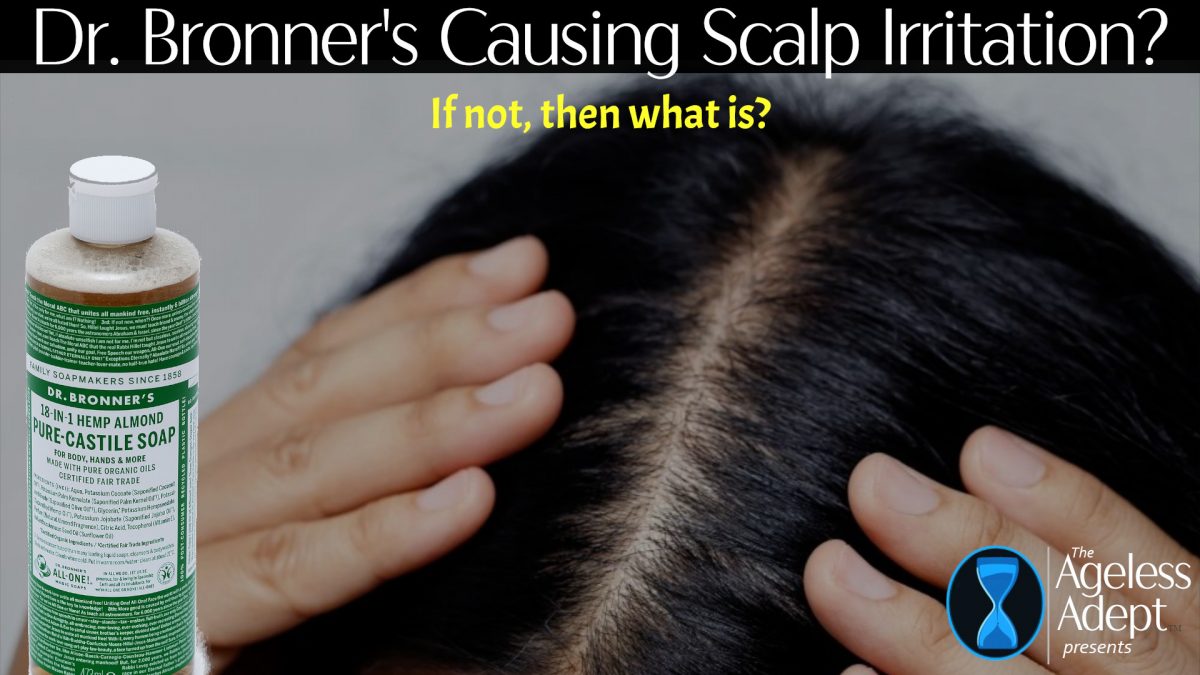
Is Dr. Bronner’s Soap Causing My Inflamed Scalp?

If scalp irritation continues after removing topical triggers, systemic causes like diet or inflammation may be responsible.

Quick Answer: Persistent scalp inflammation is more likely linked to systemic factors like diet, contaminants, or inflammation rather than topical soap use alone.

I believed that my sensitive scalp (hurt to the touch/scratch in some places) might have been caused by consistent years-long use of Dr. Bronner’s liquid soap. However, after stopping its use for a week or more (and using only water), the situation continued, and may have even intensified. Nothing else touches my scalp other than reverse osmosis water.

• daily consumption of 2/3cup of jasmine rice (boiled with Korean grape seed oil and pink salt)
• mushrooms from China
• stir fried local veggies (chopped bitter melon, okra, eggplant, string beans, pumpkin)

If this situation is not simply a localized, topical irritation due to bacteria or toxin, which of the following foods—consumed almost daily—are most to least likely to be the cause?

Given your situation — a scalp sensitivity that persisted or worsened after eliminating Dr. Bronner’s and using only RO water — we should think in terms of systemic causes rather than purely topical irritation.

Your “almost daily” food list has some potential triggers, but their likelihood depends on how they interact with inflammation, circulation, and immune reactivity.

Most to least likely (based on scalp sensitivity potential)

1. Mushrooms from Chinamost likely

  • Why: Mushrooms are generally healthy, but when imported from certain regions (including some parts of China), they may contain heavy metals, pesticide residues, or mycotoxins due to soil contamination.

  • Possible link: These contaminants can trigger low-grade systemic inflammation, sometimes manifesting in skin/scalp hypersensitivity or neuropathic-like discomfort.


2. Jasmine rice (with grape seed oil and pink salt)

  • Why:

    • Rice (especially from certain growing regions) can contain arsenic or cadmium; chronic exposure can cause nerve hypersensitivity or inflammatory responses in skin.

    • Korean grape seed oil may be fine if fresh, but if slightly oxidized, it can produce inflammatory lipid peroxides.

  • Possible link: If your rice source is high in contaminants or if the oil is even mildly rancid, it could contribute to systemic irritation.


3. Stir-fried local veggies (bitter melon, okra, eggplant, string beans, pumpkin)least likely

  • Why: These are nutrient-rich and generally anti-inflammatory.

  • Exception: Bitter melon and eggplant are in plant families that can be mildly irritating for some with nightshade sensitivity (especially eggplant), but this is rare and usually causes joint or digestive symptoms before scalp tenderness.


Mechanism for scalp pain

Scalp tenderness to the touch is often due to:

  • Inflammation of hair follicles or small blood vessels

  • Nerve hypersensitivity due to systemic toxins or oxidative stress

  • Poor microcirculation causing localized buildup of inflammatory mediators

Frequently Asked Questions

Can soap cause long-term scalp sensitivity?

Harsh soaps can irritate the scalp, but symptoms usually improve after discontinuation unless another underlying factor is involved.

Which foods may trigger scalp inflammation?

Foods contaminated with heavy metals or oxidized oils may contribute to systemic inflammation that affects the scalp.

Why does scalp pain feel sensitive to touch?

Inflammation of hair follicles or nerve endings can make the scalp tender and reactive to even light pressure.


A.I. Disclaimer

Please note that the AI-generated responses to my health-related questions are often slightly customized based on a special prompt that includes my stated preferences for natural remedies, vegan-friendly products and protocols, alternative therapies, Traditional Chinese Medicine, and my personal medical history.

I encourage you to begin your own dialogue with AI to tailor recommendations to your specific needs. —The Ageless Adept

***


Save $$$ on Products I Use (Click Image to View All)
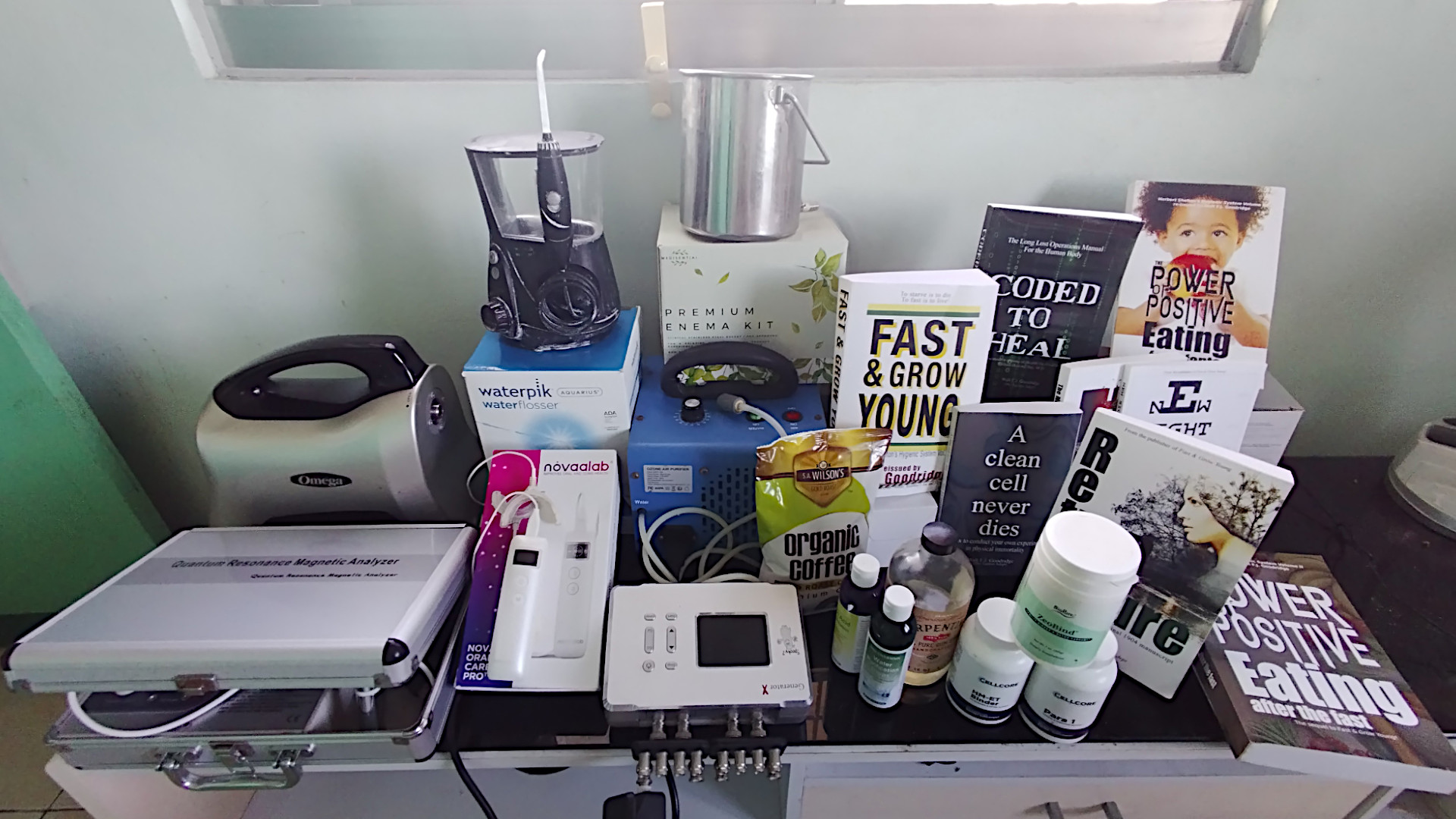

For discount coupon codes and direct links for some of unique health products I use, check out The Coupon PageThe Ageless Adept

***


What’s Causing Cyclic Hair Loss???

Explains why intermittent hair thinning occurs and resolves, highlighting detox, mineral, and hormonal influences.

Quick Answer: Cyclic hair thinning that regrows within weeks is often linked to temporary stressors like detox shifts, mineral imbalances, or hormonal fluctuations rather than permanent hair loss.

Occasionally, the area of my hairline indicated by the arrows will start to thin, but then will fill back in over the course of a few weeks. Is this cyclic pattern more likely to be caused by fluctuations in heavy metals as I suspect, or copper levels, or some other component of my diet and/or supplementation?

Hair thinning in the specific areas highlighted, especially when it occurs intermittently and fills back in after a few weeks, may be influenced by various factors. Here’s a breakdown of potential contributors, including your suspicion of heavy metals, copper, or other dietary and supplementation factors:


1. Fluctuations in Heavy Metals

  • Heavy Metals and Hair Thinning: Toxic metals such as lead, mercury, or cadmium can disrupt hair follicle health by causing oxidative stress, reducing blood circulation to the scalp, and interfering with nutrient absorption.

  • Detoxification Phases: If you’re actively detoxing heavy metals (e.g., using Zeolite Powder or Chlorella), temporary shedding may occur due to stress on detox pathways. Once levels stabilize, hair may regrow.

  • Check: Monitor if hair thinning coincides with detox protocols or fluctuations in heavy metal levels from your Magnetic Resonance Analysis Device readings.


2. Copper Deficiency or Imbalance

  • Role of Copper: Copper Glycinate supports hair growth by aiding in melanin production and maintaining blood vessel health for optimal scalp circulation.

  • Imbalance Issues: Both low copper and copper-zinc imbalances can contribute to hair thinning. Elevated zinc levels, for instance, can deplete copper.

  • Check: Regularly monitor your copper levels and assess any imbalance with zinc or iron, as these can interfere with copper uptake.


3. Nutritional Deficiencies or Excess

  • Iron Deficiency: Similar to copper, low iron levels can reduce oxygen delivery to hair follicles, leading to thinning.

  • Protein Deficiency: Hair growth relies on sufficient protein intake, so any fluctuations in dietary protein could impact hair density.

  • Biotin and Other B-Vitamins: Deficiencies in biotin, B5, or B12 may lead to thinning hair. Since you’re taking a B-50 Complex supplement, this is likely covered unless absorption is impaired.


4. Hormonal Fluctuations

  • Stress Hormones: High cortisol levels can trigger temporary hair thinning. Stress associated with heavy metal detox or systemic inflammation may be contributing.

  • Androgens: DHT (dihydrotestosterone), a derivative of testosterone, can target hair follicles in specific areas like the temples. This is a common cause of patterned thinning in men and some women.


5. Local Circulation and Scalp Health

  • Poor blood flow or clogged hair follicles from oils, debris, or inflammation could affect specific areas of the scalp.

  • Topical treatments, such as Castor Oil and Rosemary Essential Oil, may improve circulation and reduce thinning.


6. Autoimmune or Systemic Conditions

  • Alopecia Areata: This condition can cause localized, temporary thinning or bald spots, often triggered by stress, illness, or environmental toxins.

  • Systemic Inflammation: Underlying autoimmune conditions or inflammatory responses from your detox protocols may play a role.


Next Steps

Short-Term:

  1. Continue Monitoring Patterns:

    • Track hair thinning against detox protocols, copper and heavy metal readings, and changes in your diet or supplementation.

  2. Support Hair Growth:

Long-Term:

  1. Optimize Mineral Balance:

  2. Antioxidant Support:

  3. Reduce Stress on Scalp and Body:

    • Avoid overly tight hairstyles or harsh chemical treatments that may weaken hair follicles.

    • Manage overall stress to minimize cortisol impact.

If thinning persists or worsens, additional testing (e.g., for DHT sensitivity, ferritin levels, or systemic inflammation markers) may provide insights.

Frequently Asked Questions

Can detox cause temporary hair loss?

Yes, detox stress and toxin mobilization can disrupt hair cycles leading to short term shedding.

Is copper related to hair growth?

Copper supports circulation and pigment production and imbalances with zinc can affect hair density.

Why does hair grow back quickly?

Rapid regrowth suggests follicles remain healthy and the trigger is temporary rather than structural damage.


A.I. Disclaimer

Please note that the AI-generated responses to my health-related questions are often slightly customized based on a special prompt that includes my stated preferences for natural remedies, vegan-friendly products and protocols, alternative therapies, Traditional Chinese Medicine, and my personal medical history.

I encourage you to begin your own dialogue with AI to tailor recommendations to your specific needs. —The Ageless Adept

***


Save $$$ on Products I Use (Click Image to View All)


For discount coupon codes and direct links for some of unique health products I use, check out The Coupon PageThe Ageless Adept

***

Want more tips and strategies? Check out:

Footer [wpcode id="144"]

Check Out My Youtube Channels:

Ageless Adept
Ageless Adept™
Ask a Vegan
Ask a Vegan™
Rope Worm Cure
Rope Worm Cure
Walt's Passionpreneur
The Passion Prophet Channel
DiscoverSaipan
DiscoverSaipan
Jamaican in China
Jamaican in China & Beyond
Walt's Life Rhymes
Walt's Life Rhymes
Walt's Random Thoughts