

Last updated on April 13th, 2026 at 09:50 am
Quick Answer: Cyclic hair thinning that regrows within weeks is often linked to temporary stressors like detox shifts, mineral imbalances, or hormonal fluctuations rather than permanent hair loss.
Occasionally, the area of my hairline indicated by the arrows will start to thin, but then will fill back in over the course of a few weeks. Is this cyclic pattern more likely to be caused by fluctuations in heavy metals as I suspect, or copper levels, or some other component of my diet and/or supplementation?


Hair thinning in the specific areas highlighted, especially when it occurs intermittently and fills back in after a few weeks, may be influenced by various factors. Here’s a breakdown of potential contributors, including your suspicion of heavy metals, copper, or other dietary and supplementation factors:
1. Fluctuations in Heavy Metals
-
Heavy Metals and Hair Thinning: Toxic metals such as lead, mercury, or cadmium can disrupt hair follicle health by causing oxidative stress, reducing blood circulation to the scalp, and interfering with nutrient absorption.
-
Detoxification Phases: If you’re actively detoxing heavy metals (e.g., using Zeolite Powder or Chlorella), temporary shedding may occur due to stress on detox pathways. Once levels stabilize, hair may regrow.
-
Check: Monitor if hair thinning coincides with detox protocols or fluctuations in heavy metal levels from your Magnetic Resonance Analysis Device readings.
2. Copper Deficiency or Imbalance
-
Role of Copper: Copper Glycinate supports hair growth by aiding in melanin production and maintaining blood vessel health for optimal scalp circulation.
-
Imbalance Issues: Both low copper and copper-zinc imbalances can contribute to hair thinning. Elevated zinc levels, for instance, can deplete copper.
-
Check: Regularly monitor your copper levels and assess any imbalance with zinc or iron, as these can interfere with copper uptake.
3. Nutritional Deficiencies or Excess
-
Iron Deficiency: Similar to copper, low iron levels can reduce oxygen delivery to hair follicles, leading to thinning.
-
Protein Deficiency: Hair growth relies on sufficient protein intake, so any fluctuations in dietary protein could impact hair density.
-
Biotin and Other B-Vitamins: Deficiencies in biotin, B5, or B12 may lead to thinning hair. Since you’re taking a B-50 Complex supplement, this is likely covered unless absorption is impaired.
4. Hormonal Fluctuations
-
Stress Hormones: High cortisol levels can trigger temporary hair thinning. Stress associated with heavy metal detox or systemic inflammation may be contributing.
-
Androgens: DHT (dihydrotestosterone), a derivative of testosterone, can target hair follicles in specific areas like the temples. This is a common cause of patterned thinning in men and some women.
5. Local Circulation and Scalp Health
-
Poor blood flow or clogged hair follicles from oils, debris, or inflammation could affect specific areas of the scalp.
-
Topical treatments, such as Castor Oil and Rosemary Essential Oil, may improve circulation and reduce thinning.
6. Autoimmune or Systemic Conditions
-
Alopecia Areata: This condition can cause localized, temporary thinning or bald spots, often triggered by stress, illness, or environmental toxins.
-
Systemic Inflammation: Underlying autoimmune conditions or inflammatory responses from your detox protocols may play a role.
Next Steps
Short-Term:
-
Continue Monitoring Patterns:
-
Track hair thinning against detox protocols, copper and heavy metal readings, and changes in your diet or supplementation.
-
-
Support Hair Growth:
-
Continue using topical treatments like Castor Oil and Rosemary Essential Oil.
-
Consider adding scalp massages to enhance circulation.
-
Long-Term:
-
Optimize Mineral Balance:
-
Ensure Copper Glycinate, Zinc Picolinate, and iron levels are balanced.
-
Maintain a nutrient-rich diet with adequate protein, vitamins, and Trace Mins minerals.
-
-
Antioxidant Support:
-
Use Glutathione (Liposomal) or other antioxidants to counter oxidative stress from detox processes.
-
-
Reduce Stress on Scalp and Body:
-
Avoid overly tight hairstyles or harsh chemical treatments that may weaken hair follicles.
-
Manage overall stress to minimize cortisol impact.
-
If thinning persists or worsens, additional testing (e.g., for DHT sensitivity, ferritin levels, or systemic inflammation markers) may provide insights.
Frequently Asked Questions
Can detox cause temporary hair loss?
Yes, detox stress and toxin mobilization can disrupt hair cycles leading to short term shedding.
Is copper related to hair growth?
Copper supports circulation and pigment production and imbalances with zinc can affect hair density.
Why does hair grow back quickly?
Rapid regrowth suggests follicles remain healthy and the trigger is temporary rather than structural damage.
A.I. Disclaimer
I encourage you to begin your own dialogue with AI to tailor recommendations to your specific needs. —The Ageless Adept
***
Save $$$ on Products I Use (Click Image to View All)
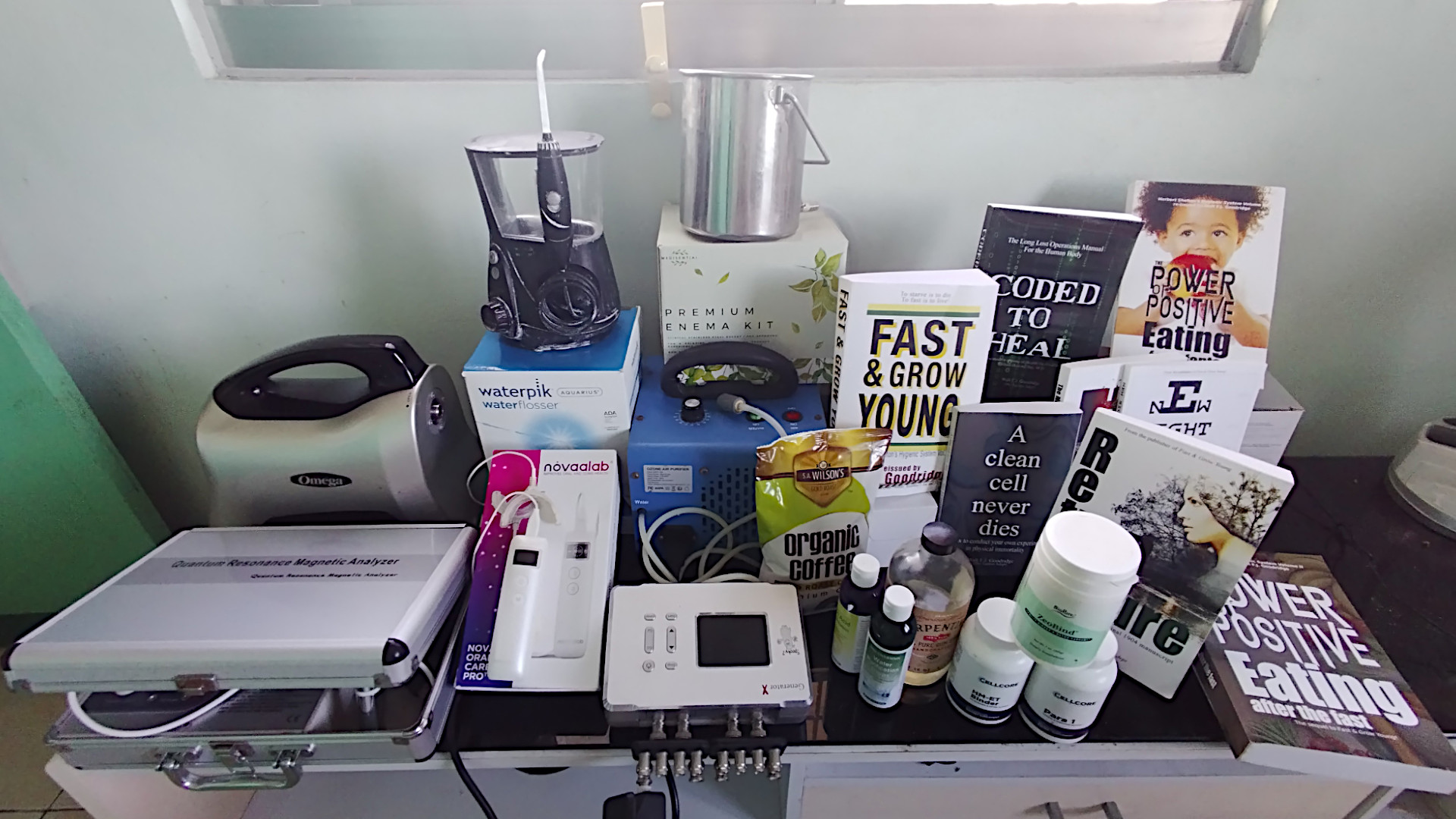
For discount coupon codes and direct links for some of unique health products I use, check out The Coupon Page —The Ageless Adept
***
Want more tips and strategies? Check out:
-

A Clean Cell Never Dies
Price range: $4.95 through $9.95 Select options This product has multiple variants. The options may be chosen on the product page -

Fit to Breed…Forever!
Price range: $4.99 through $11.97 Select options This product has multiple variants. The options may be chosen on the product page


